Cystoscopy
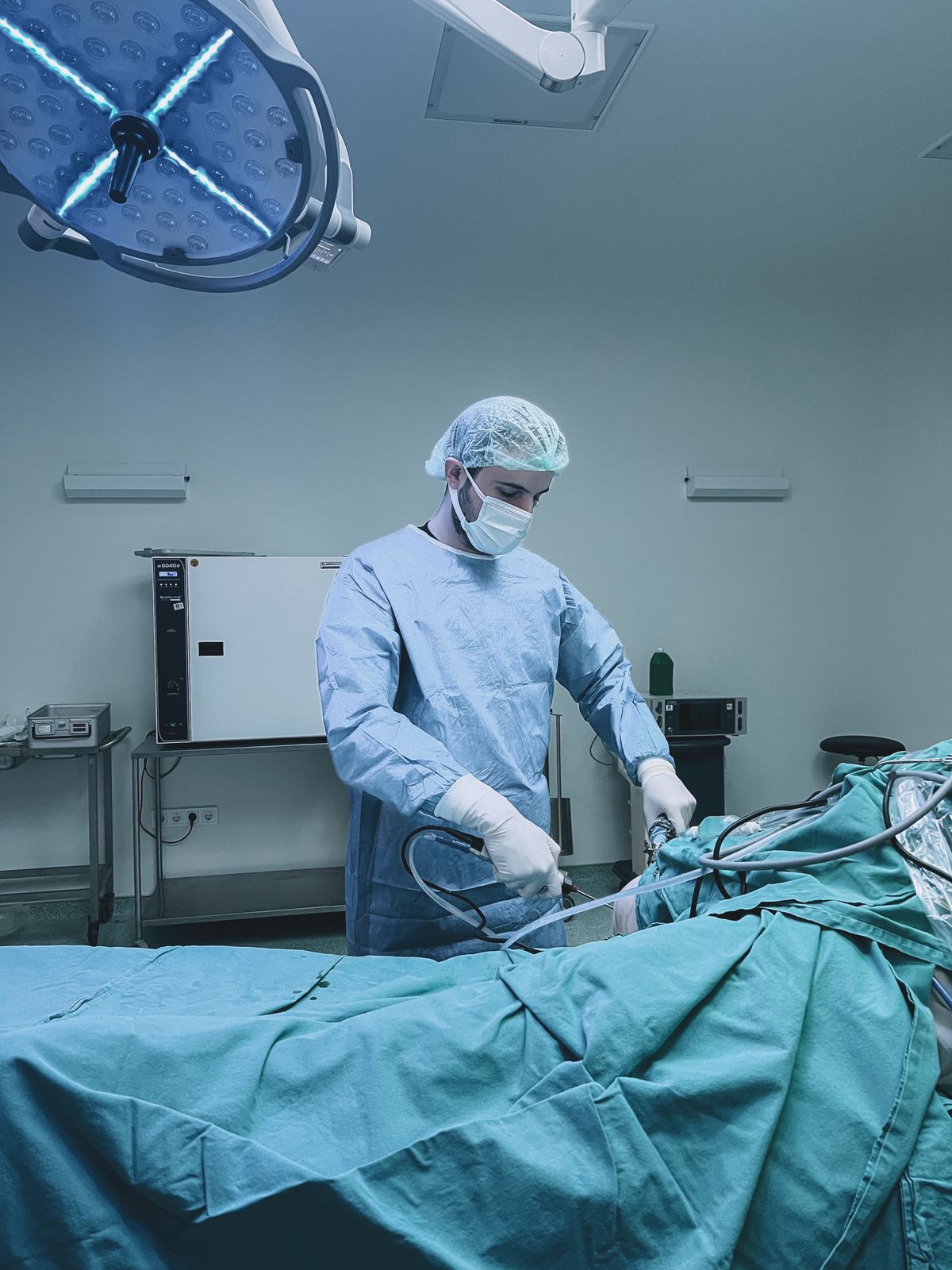
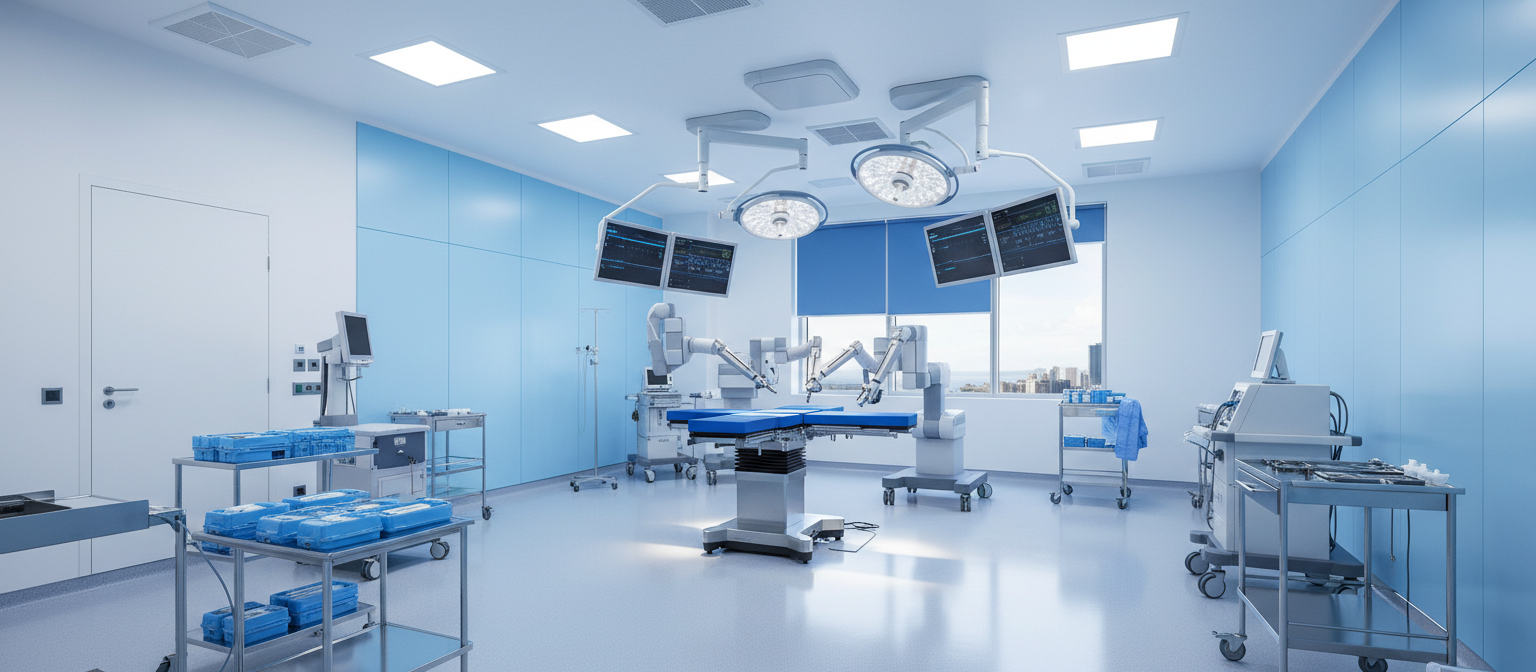
Cystoscopy uses a thin camera passed through the urethra to look inside the bladder, to find the cause of symptoms such as blood in urine and to treat some bladder conditions.
Est. Global Price
Hospital Stay
Usually same day
Success Rate

Find surgery at accredited hospitals in India, see estimated prices, and let our team help with your travel and stay.
Cystoscopy uses a thin camera passed through the urethra to look inside the bladder, to find the cause of symptoms such as blood in urine and to treat some bladder conditions.
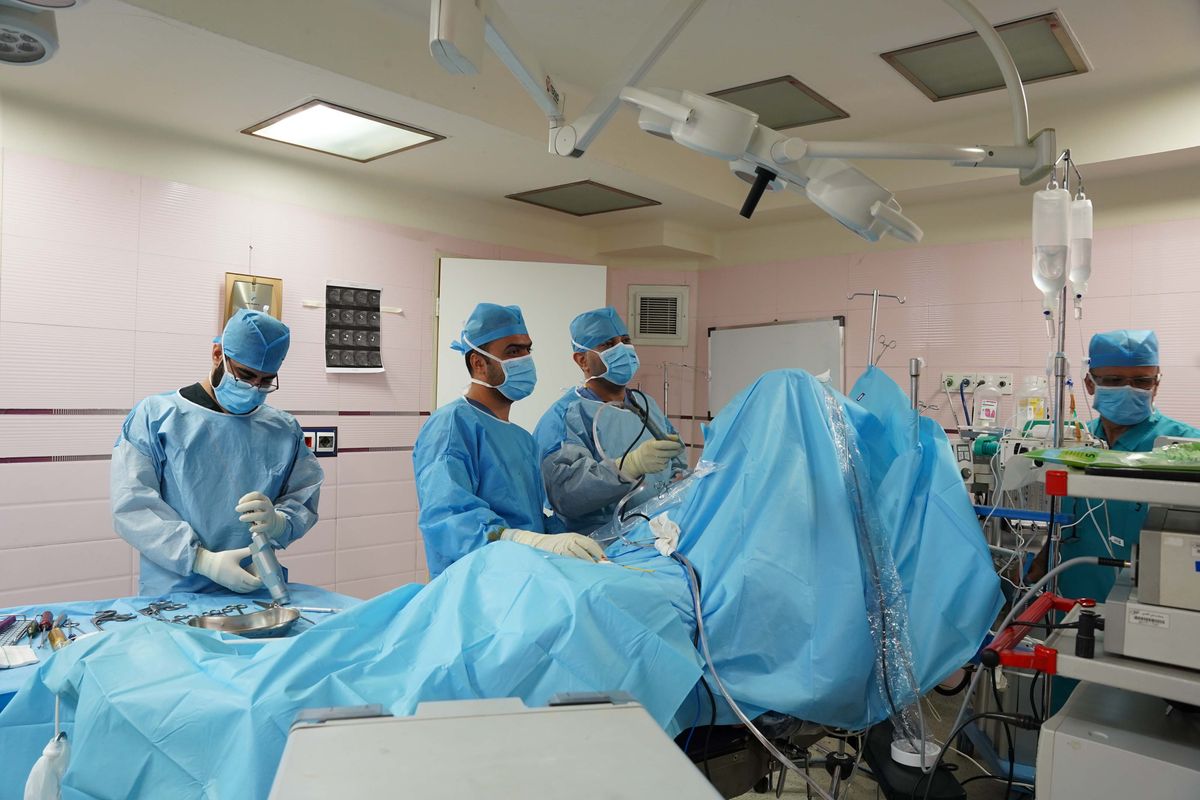
Robotic partial nephrectomy removes a kidney tumour, or a damaged part of the kidney, through small keyhole cuts while preserving the rest of the healthy kidney.
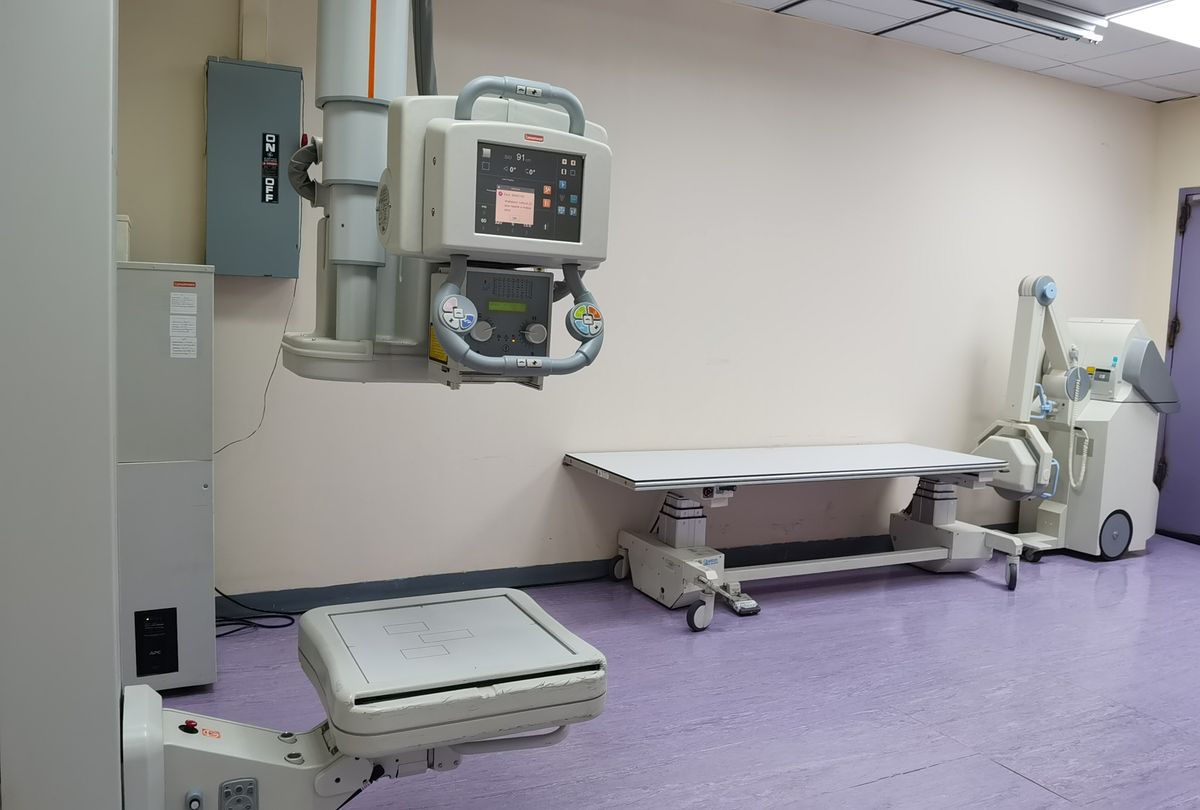
ESWL (shock wave lithotripsy) uses focused shock waves from outside the body to break kidney and ureter stones into small pieces that pass out in the urine.
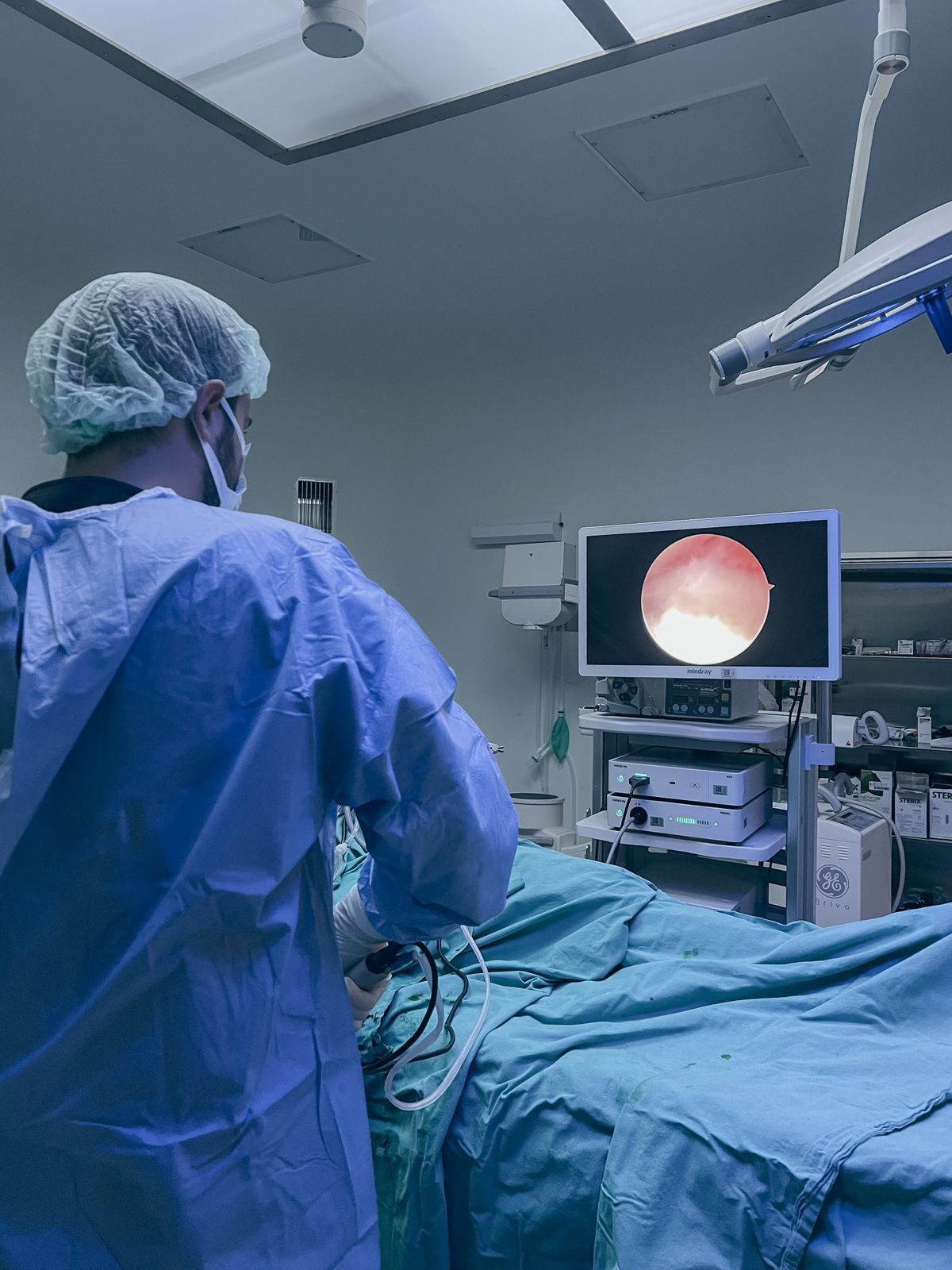
RIRS (retrograde intrarenal surgery) removes kidney stones using a thin flexible scope passed through the urinary tract and a laser, with no cuts in the skin.
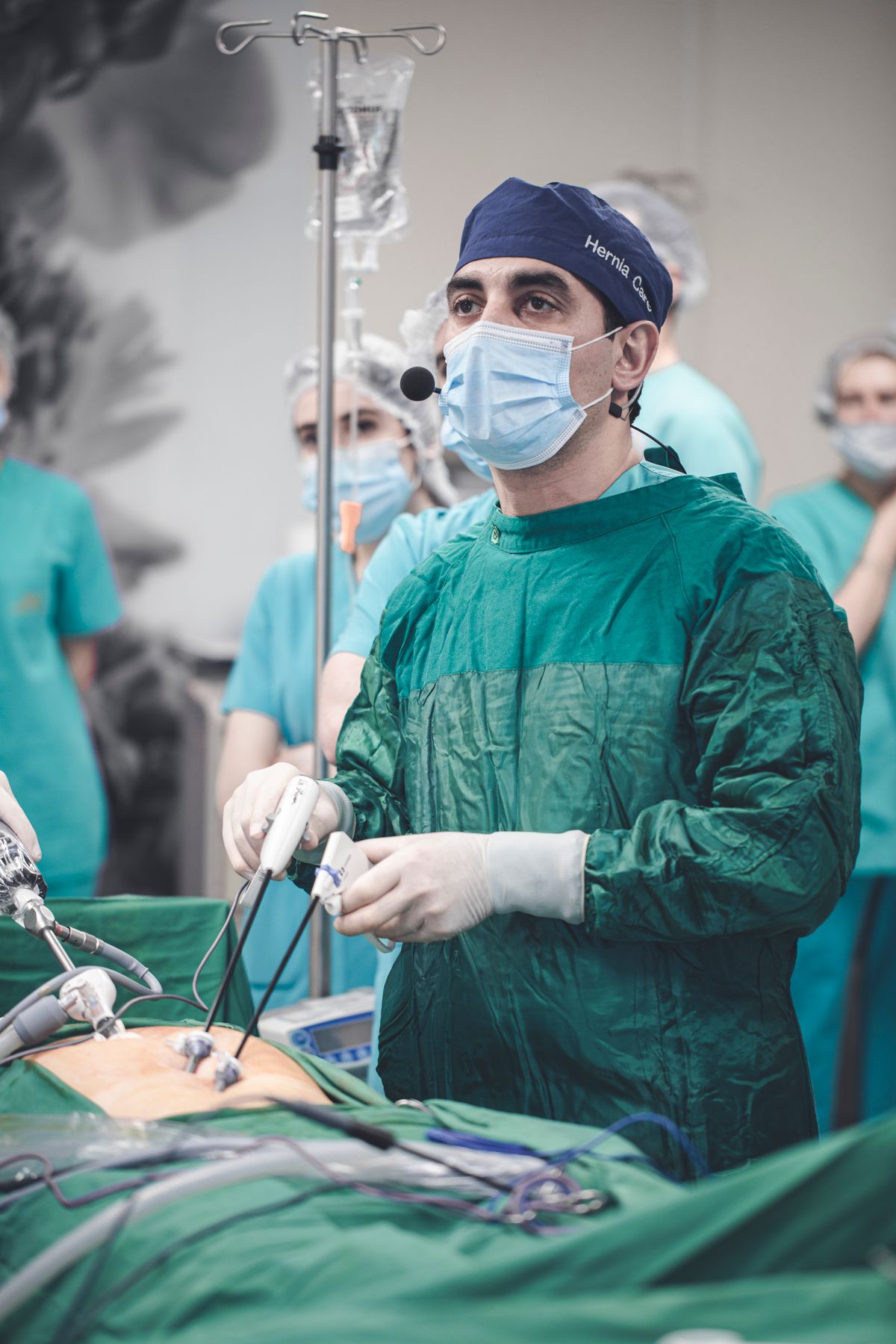
PCNL (percutaneous nephrolithotomy) removes large or complex kidney stones through a small cut in the back, using a telescope passed directly into the kidney.
TURP (transurethral resection of the prostate) removes part of an enlarged prostate through the urethra to relieve difficulty passing urine, with no cuts in the skin.
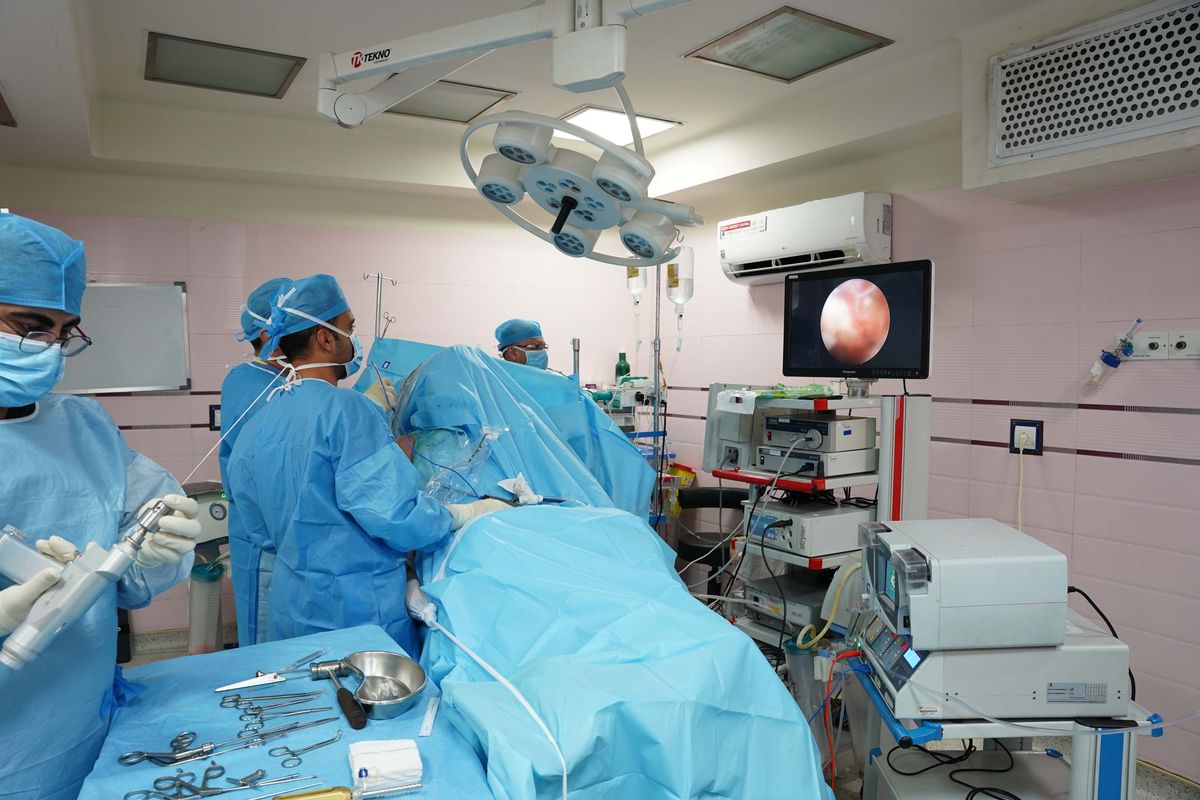
Colectomy (large bowel resection) removes all or part of the colon to treat conditions such as colon cancer, diverticular disease, ulcerative colitis and bowel blockage.
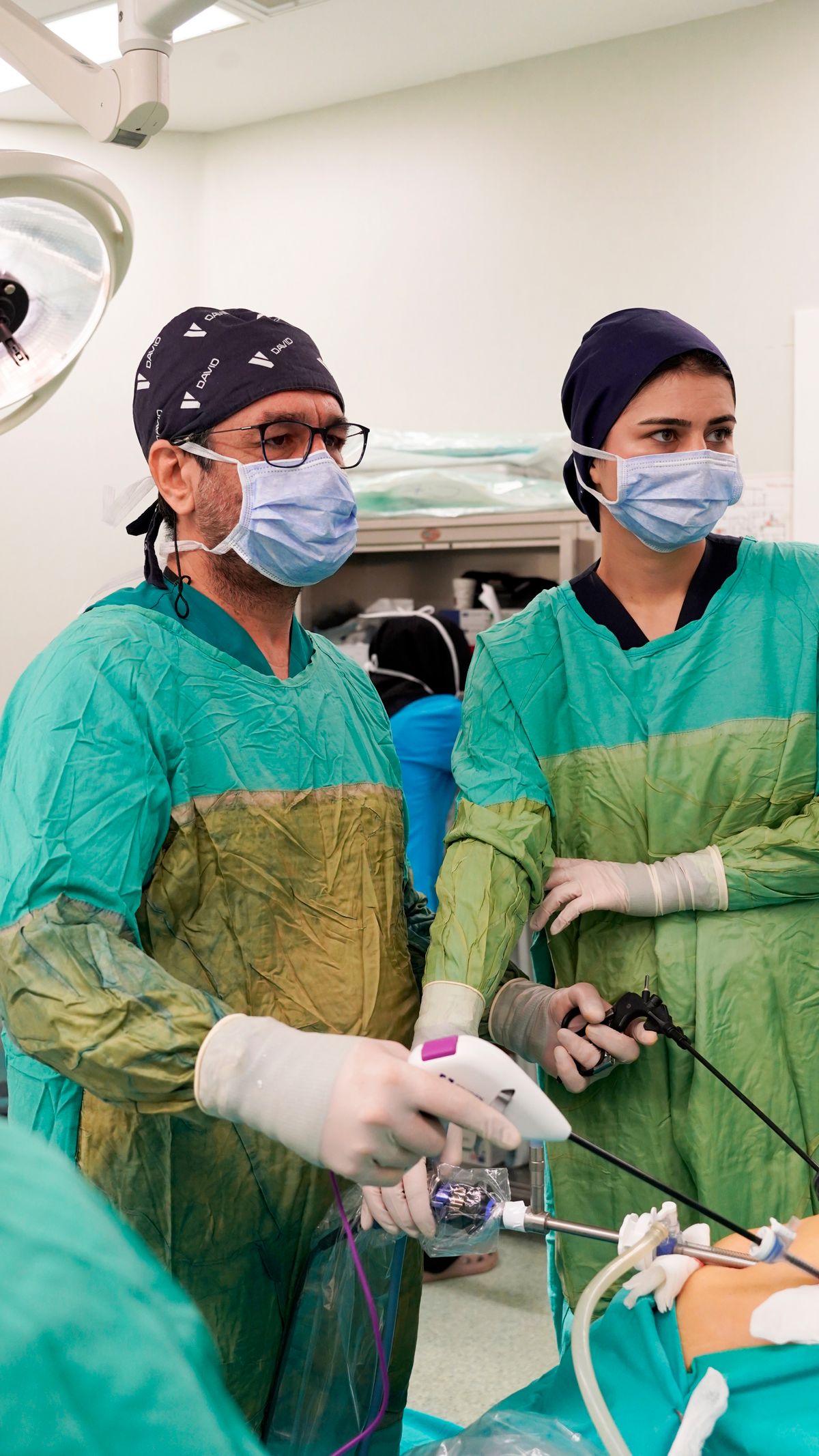
Laparoscopic hernia repair uses keyhole surgery and a mesh to fix a hernia, such as an inguinal (groin) hernia, and prevent complications.
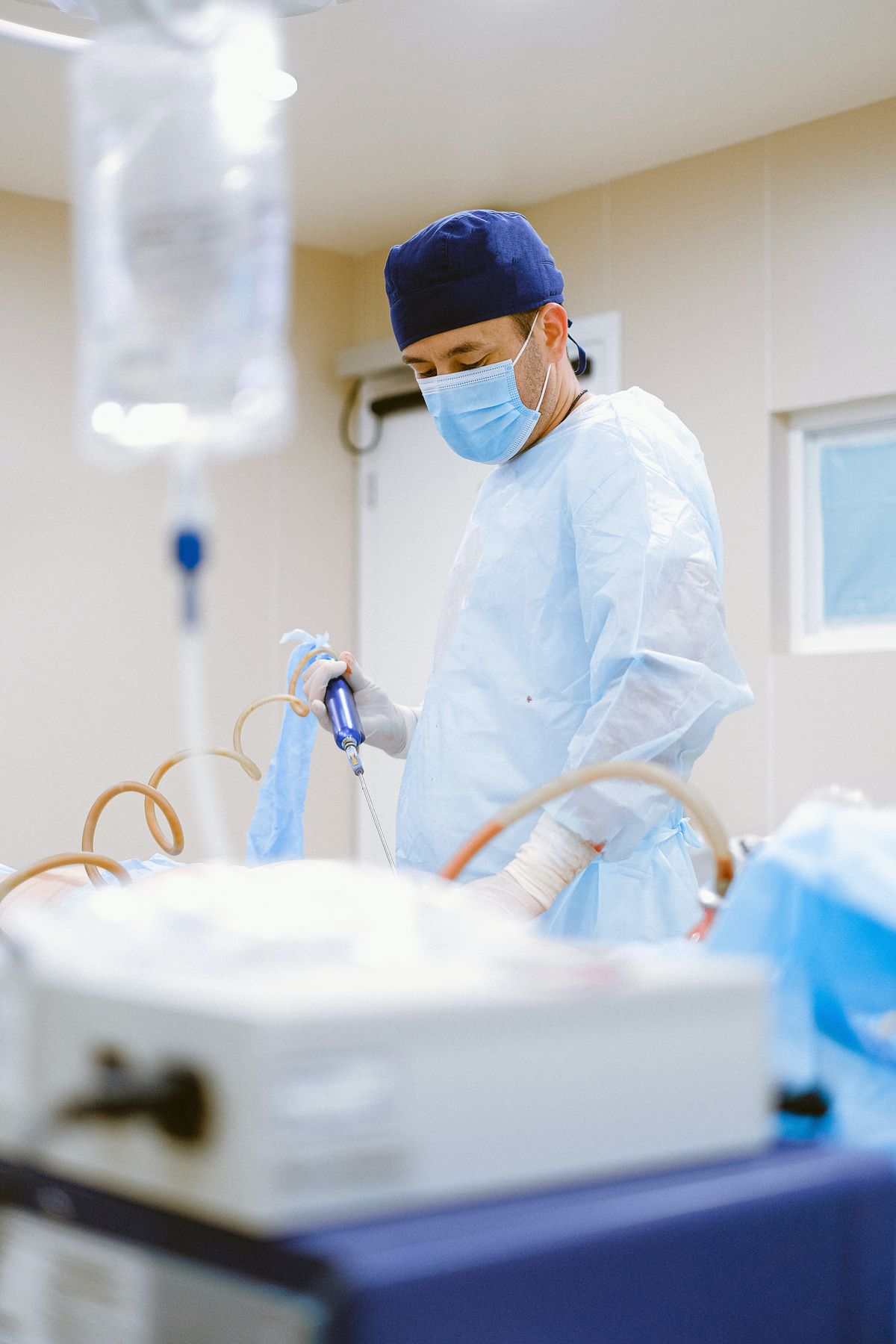
ERCP uses an endoscope and X-rays to find and treat problems in the bile and pancreatic ducts, such as gallstones, narrowing and blockages.
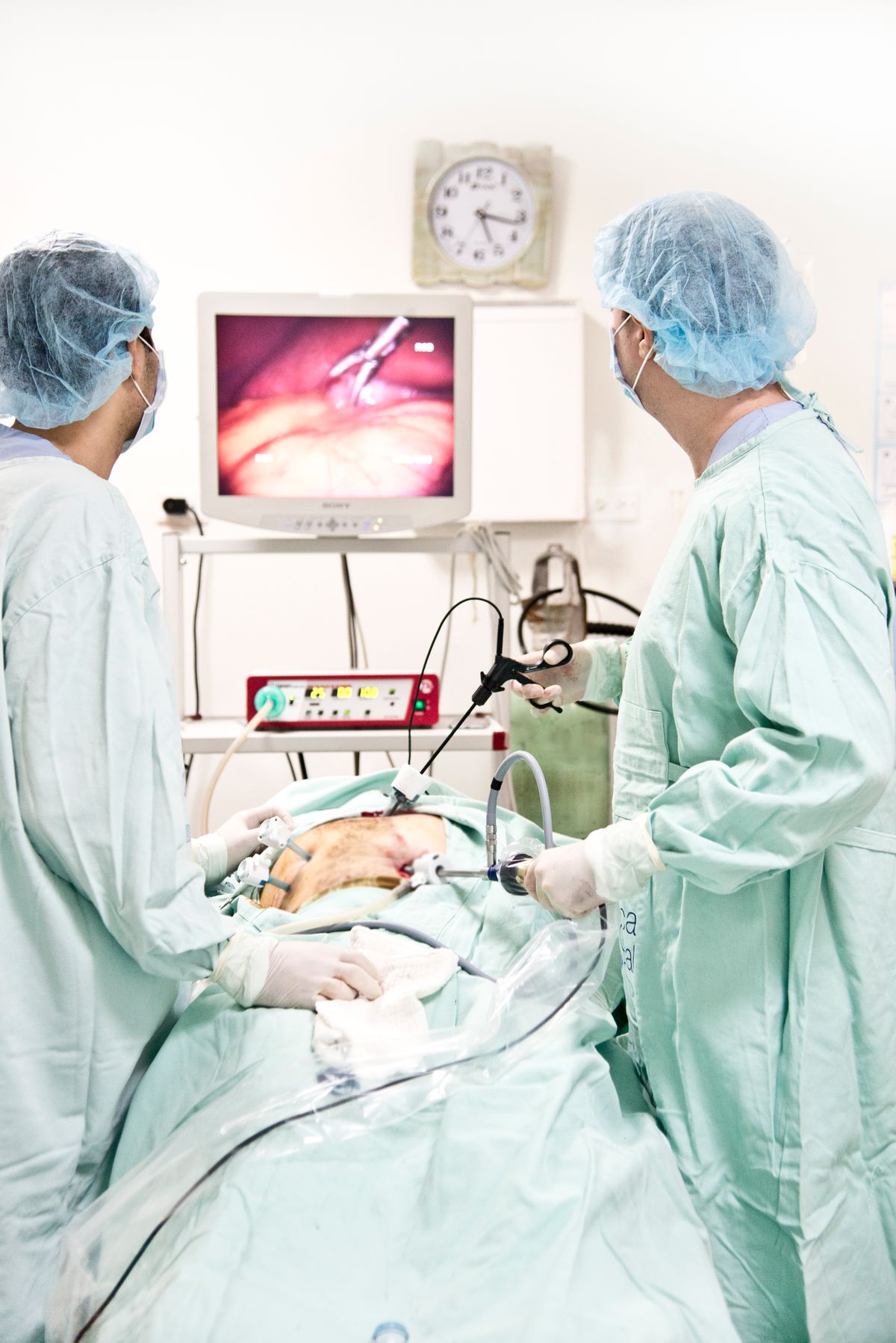
Laparoscopic cholecystectomy is keyhole surgery to remove the gallbladder, most often to treat painful gallstones and their complications.
Gastric bypass surgery creates a small stomach pouch connected to the small intestine, helping people with severe obesity lose weight and improve related conditions.
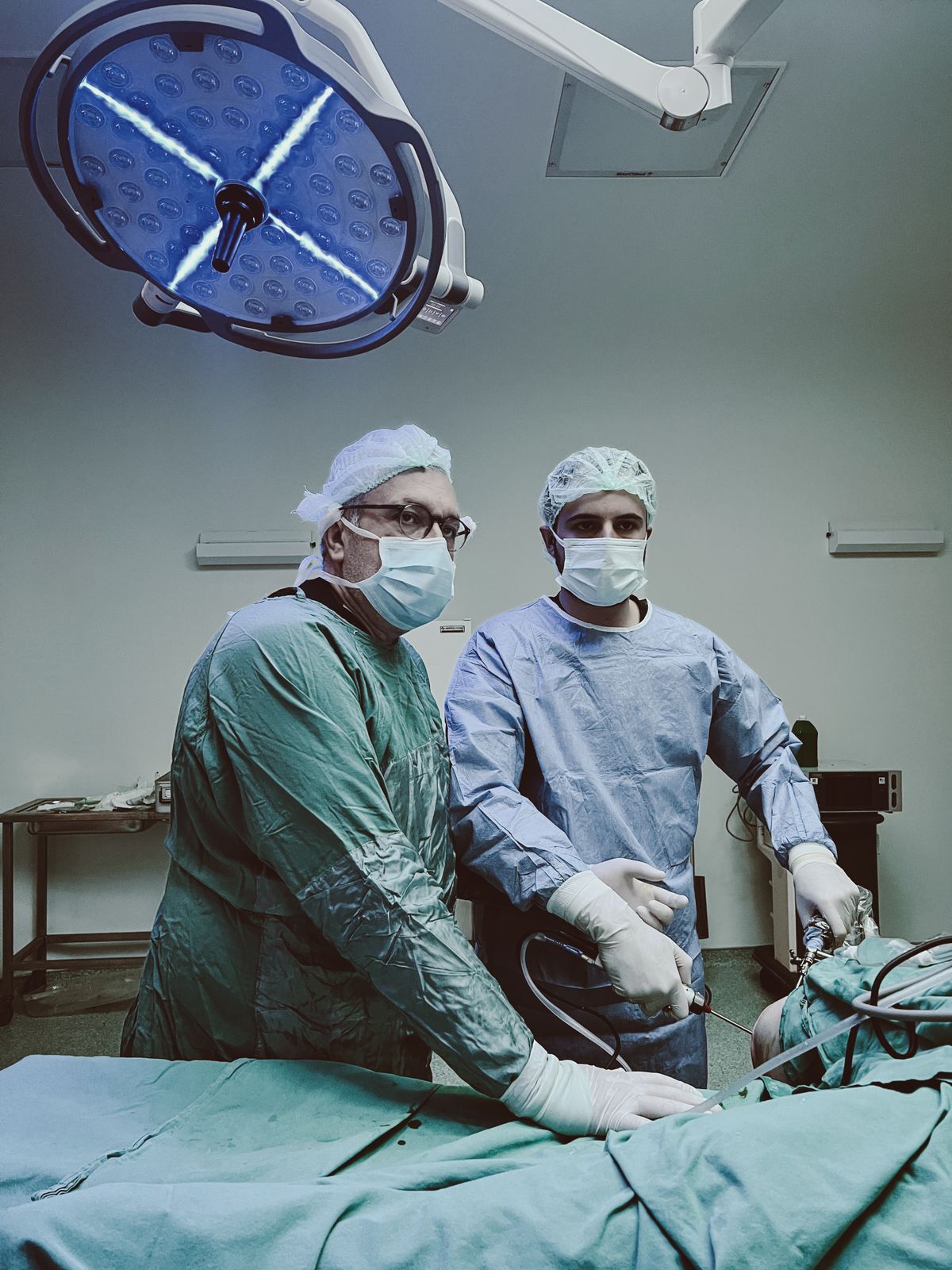
Sleeve gastrectomy removes around 80% of the stomach, leaving a narrow sleeve, to help people with severe obesity lose weight.
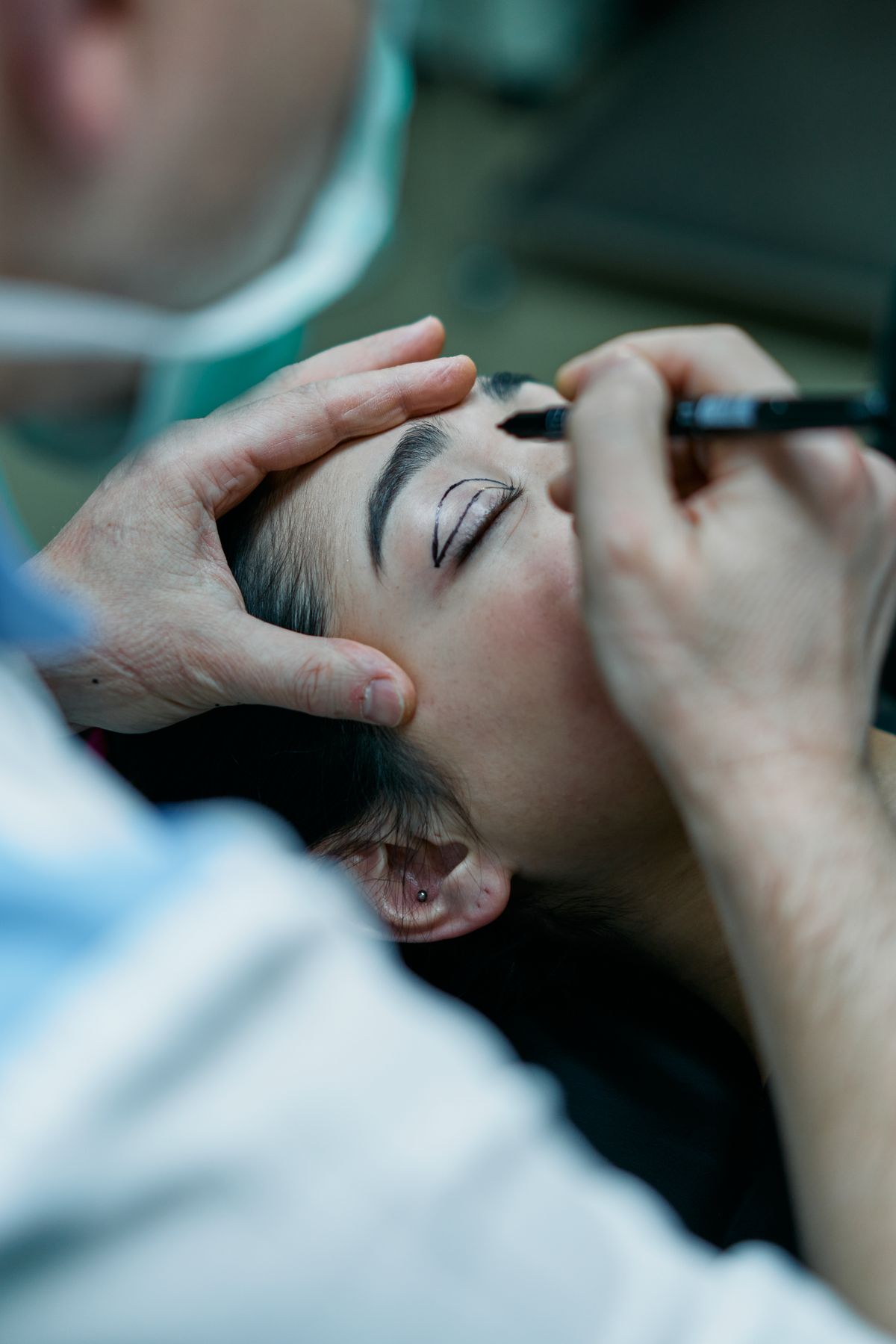
Blepharoplasty (eyelid surgery) removes excess skin or fat from the upper or lower eyelids to improve hooded or drooping lids and under-eye bags.
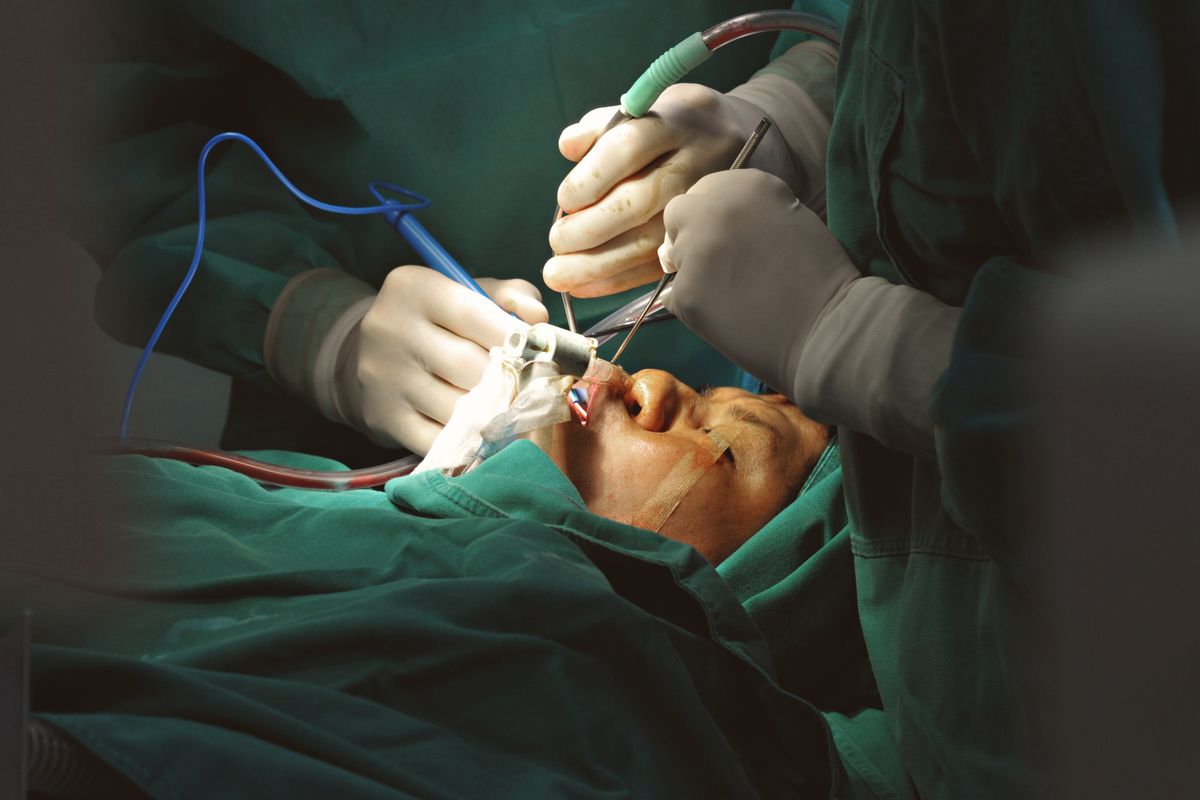
A facelift (rhytidectomy) lifts and tightens loose skin on the lower face and neck, mainly the jowls, for a smoother, firmer appearance.
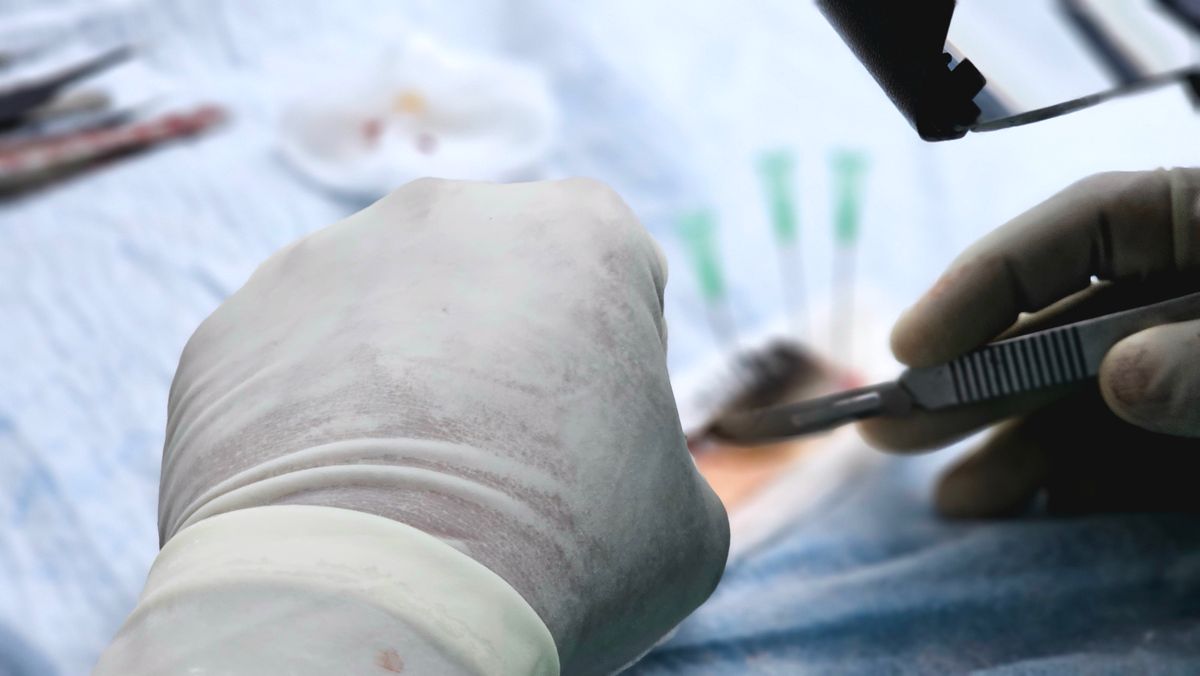
A hair transplant moves hair follicles from the back of the scalp to thinning or bald areas to treat permanent, inherited hair loss.

Breast augmentation uses silicone or saline implants to increase breast size, change shape or improve symmetry.
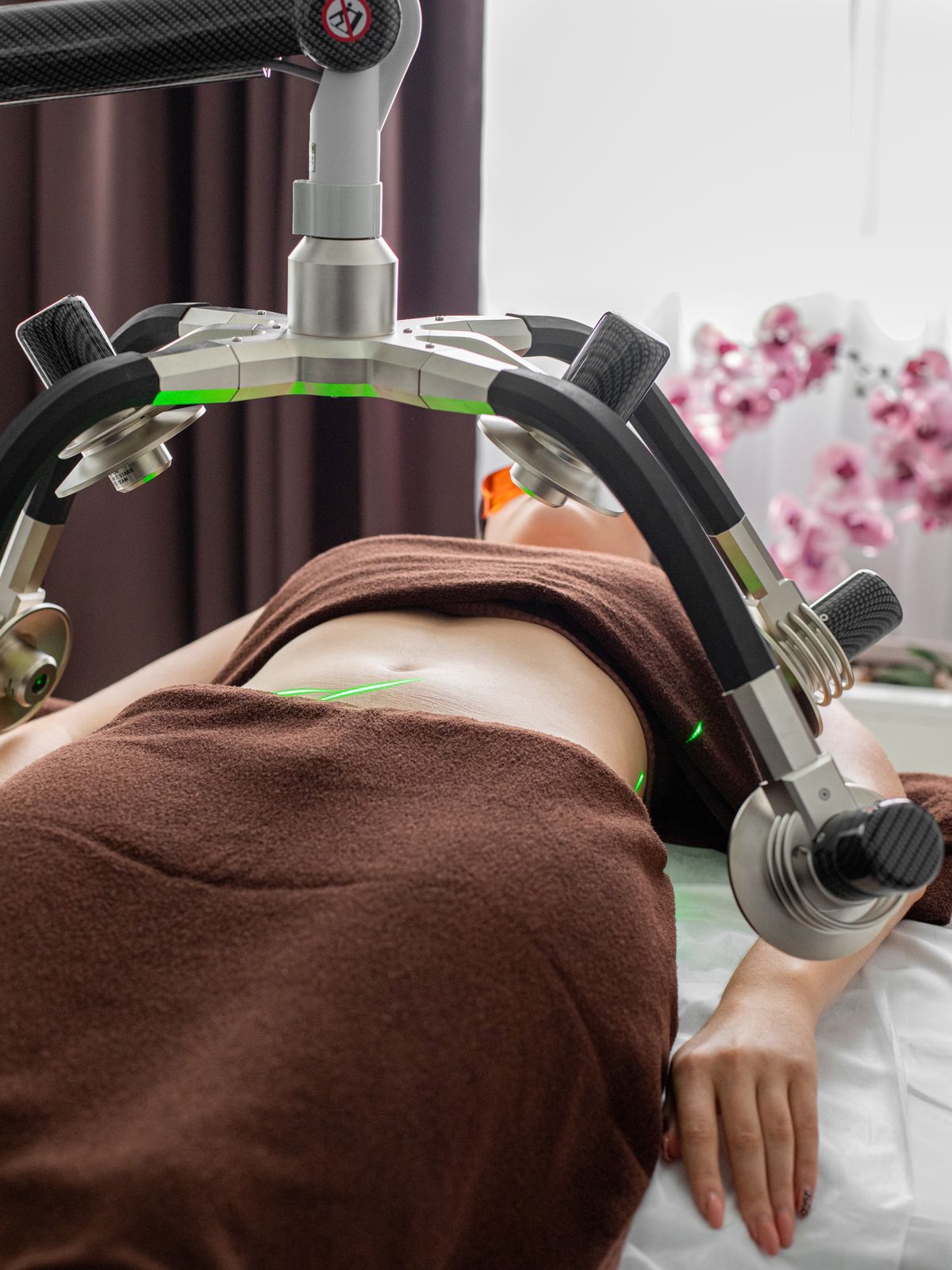
Abdominoplasty (tummy tuck) removes excess loose skin and fat from the abdomen and can tighten the stomach muscles, often after pregnancy or major weight loss.
Liposuction removes stubborn fat deposits from areas such as the tummy, hips, thighs and bottom that do not respond to diet and exercise.
Rhinoplasty (nose reshaping) changes the shape or size of the nose, and can also be done to help with breathing problems.
Hysteroscopy uses a thin camera to look inside the womb, helping diagnose and treat causes of abnormal bleeding, fertility problems and repeated miscarriage.
A liver transplant replaces a diseased liver with a healthy donor liver or part of one, for people with cirrhosis or end-stage liver disease.

A minimally invasive treatment that fills a brain aneurysm with soft platinum coils through a catheter to stop it bleeding or rupturing.
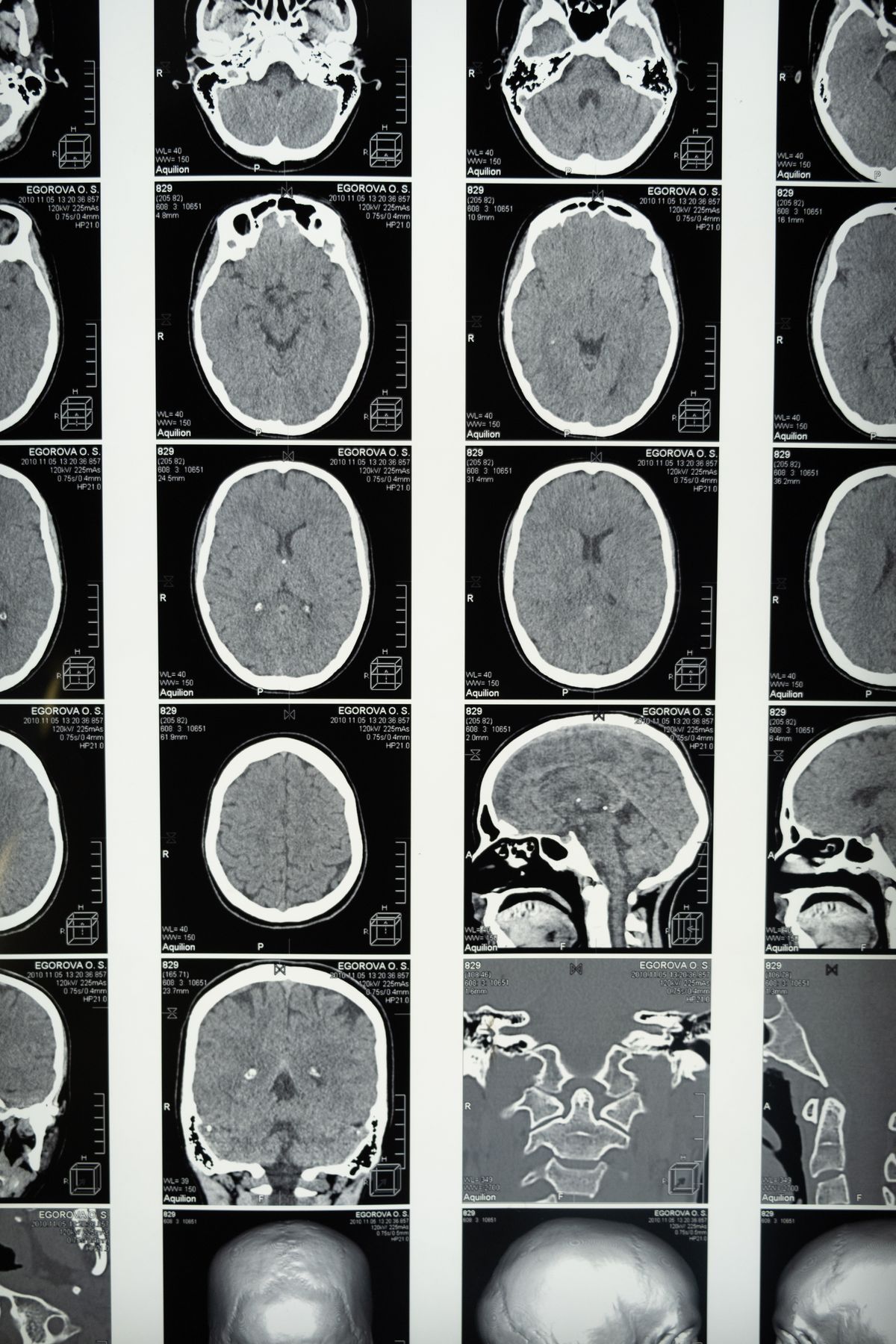
Brain surgery to remove, disconnect or modulate the area where seizures start, for epilepsy that medicines do not control.

Minimally invasive spine surgery that removes the part of a herniated (slipped) disc pressing on a nerve, relieving sciatica and arm or leg pain.
Implants thin electrodes in the brain, powered by a small device in the chest, to ease Parkinson's disease, tremor and dystonia symptoms.
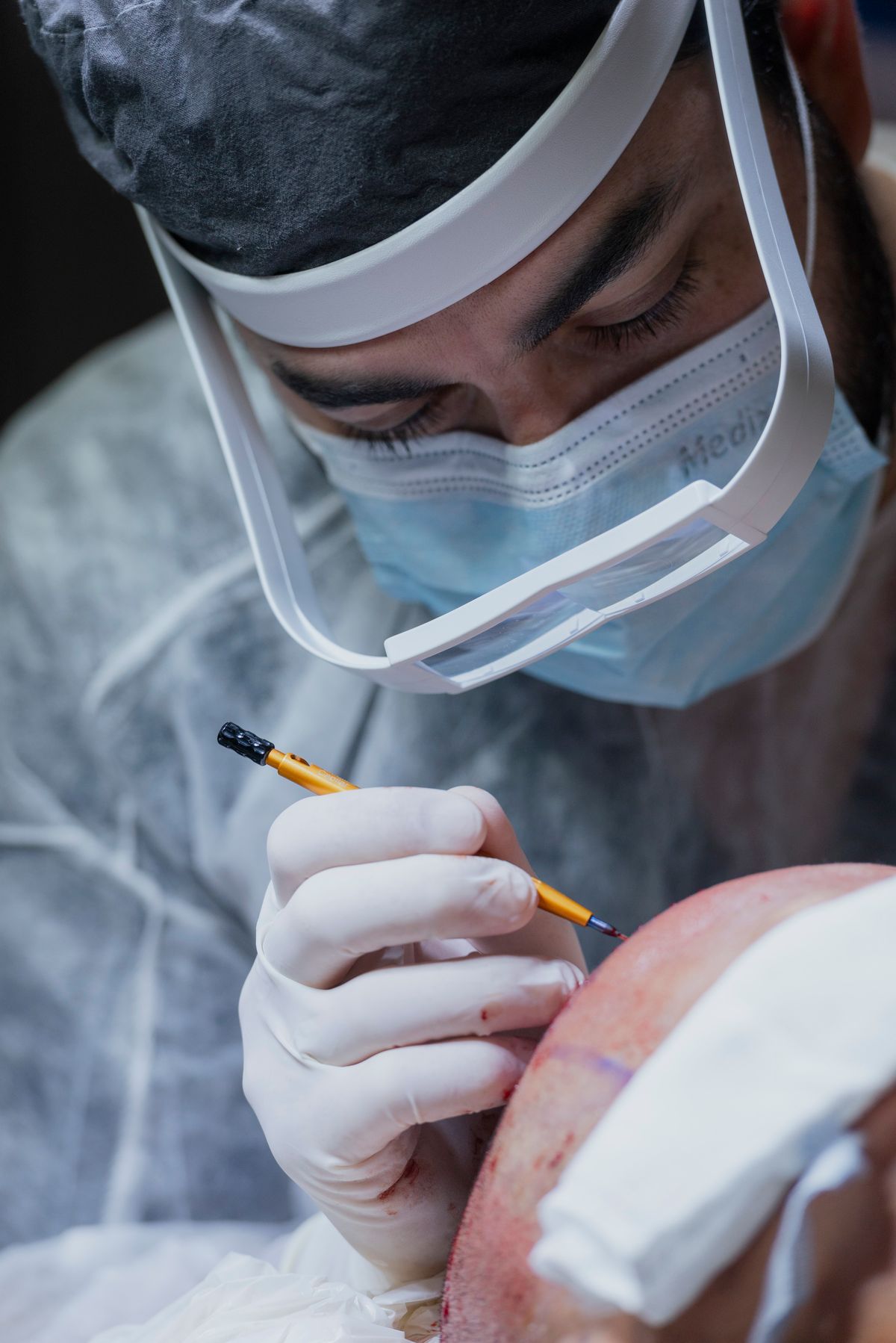
Surgery to remove as much of a benign or malignant brain tumour as safely possible, to relieve symptoms and guide further treatment.
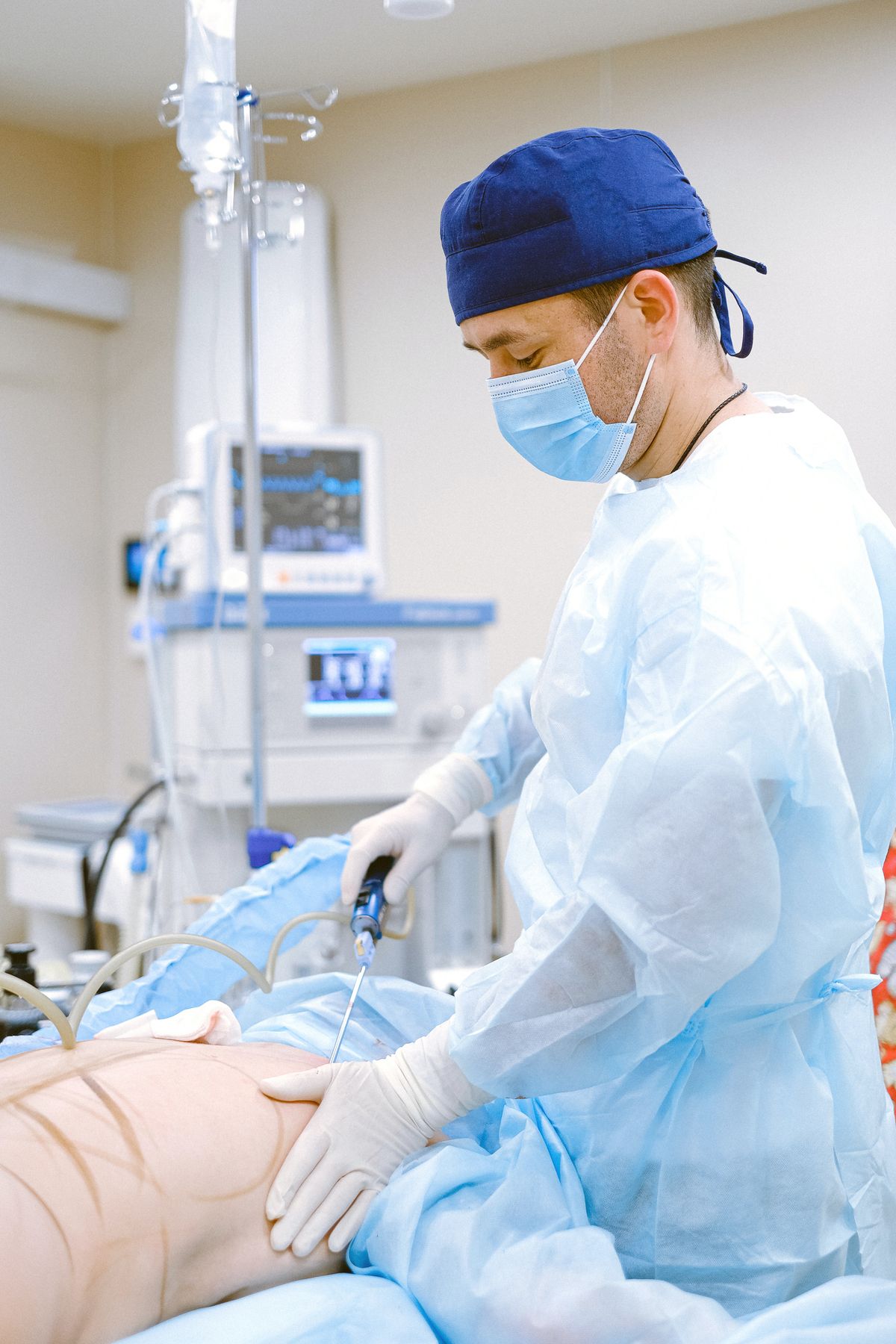
Knee arthroscopy is keyhole surgery that uses a tiny camera to diagnose and treat knee problems such as torn meniscus, damaged cartilage and loose bodies.
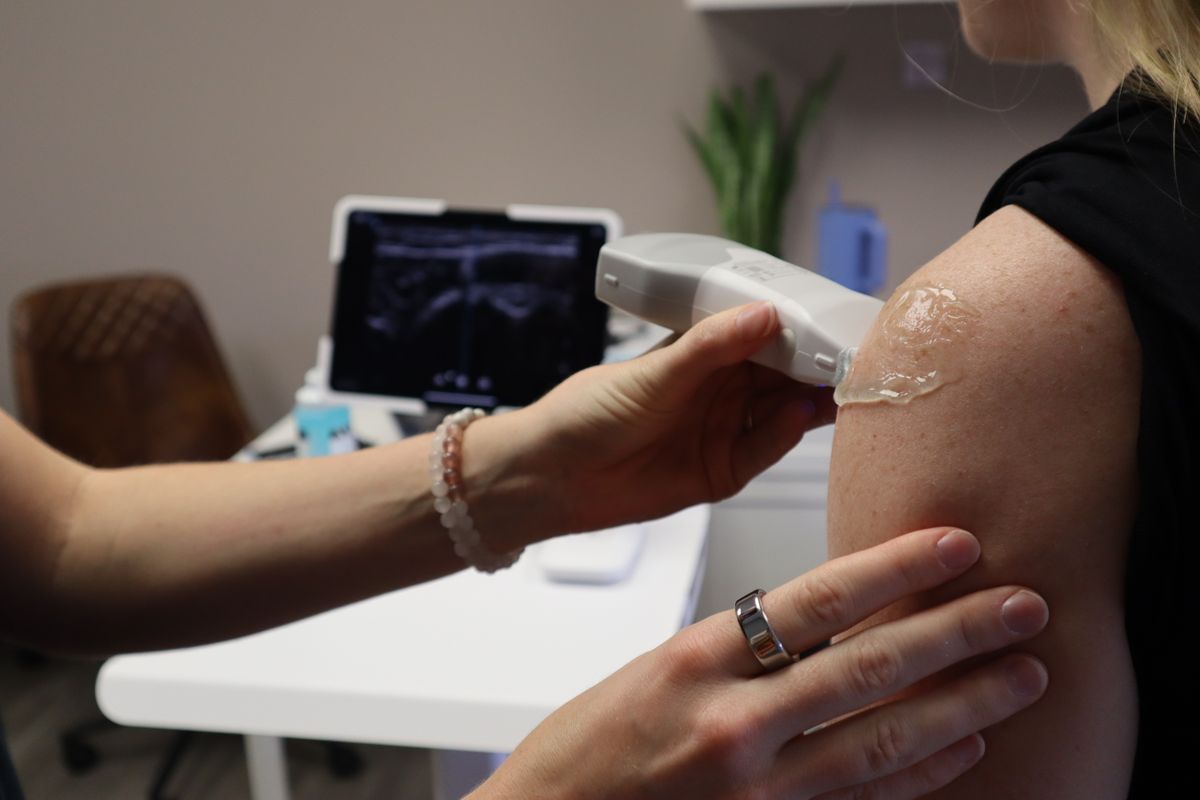
Shoulder replacement replaces a damaged shoulder joint with artificial parts to relieve pain from arthritis, rotator cuff tear arthropathy or severe fractures.
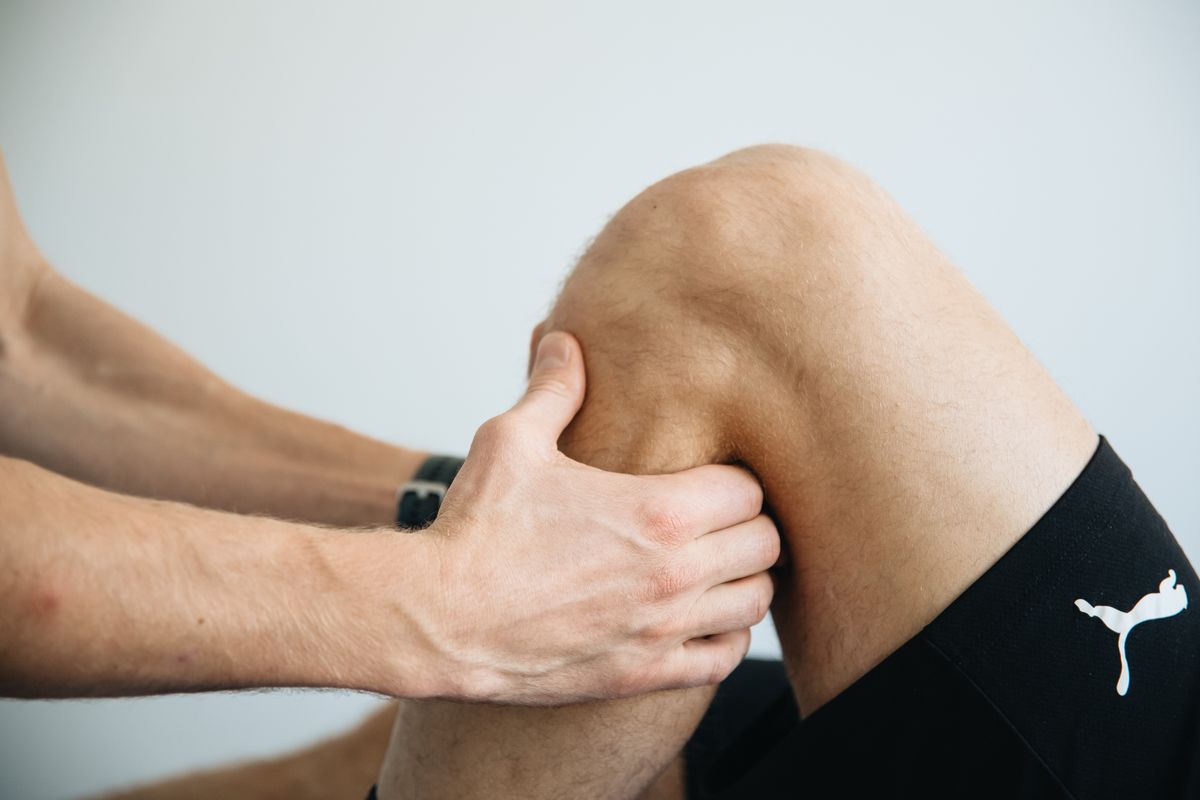
ACL reconstruction replaces a torn anterior cruciate ligament in the knee with a tissue graft to restore stability, often for active people and athletes.
Surgery to remove cancers of the mouth, tongue, throat, voice box, salivary glands, nose and sinuses, often with reconstruction.
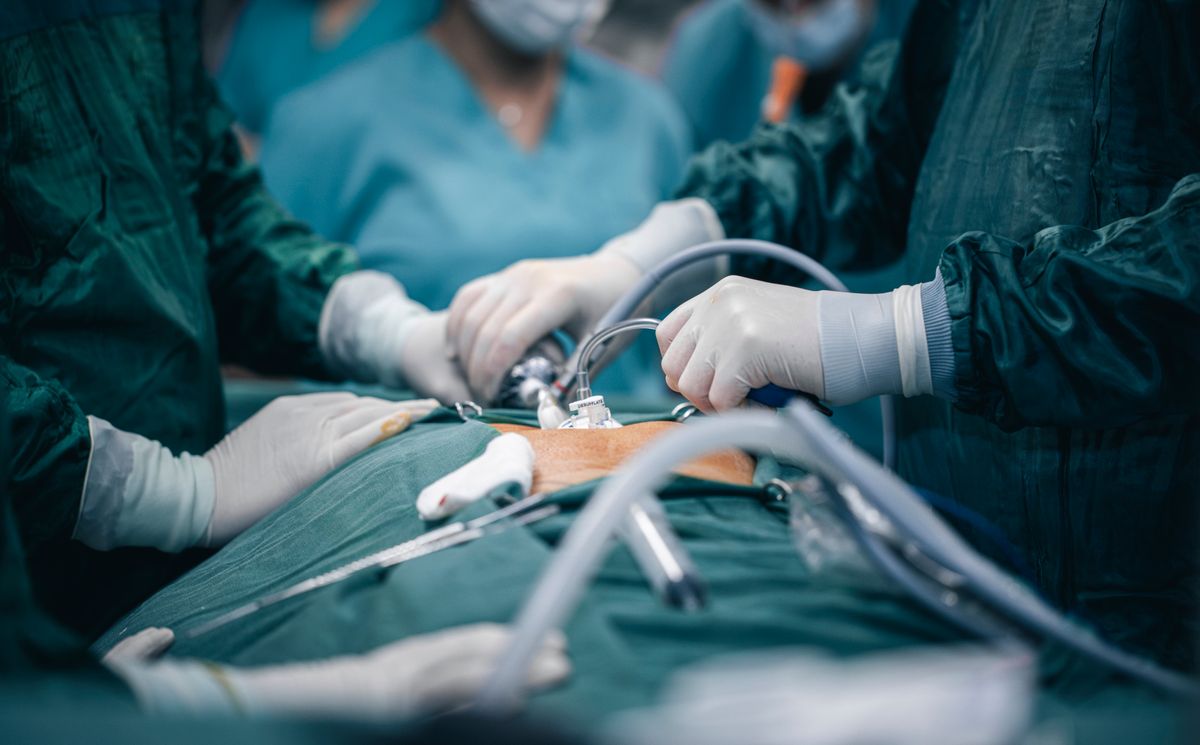
Minimally invasive cancer surgery in which the surgeon controls robotic instruments through small incisions to remove tumours with precision.
Cancer treatment that helps your own immune system recognise and attack cancer cells, often used when cancer has spread or returned.
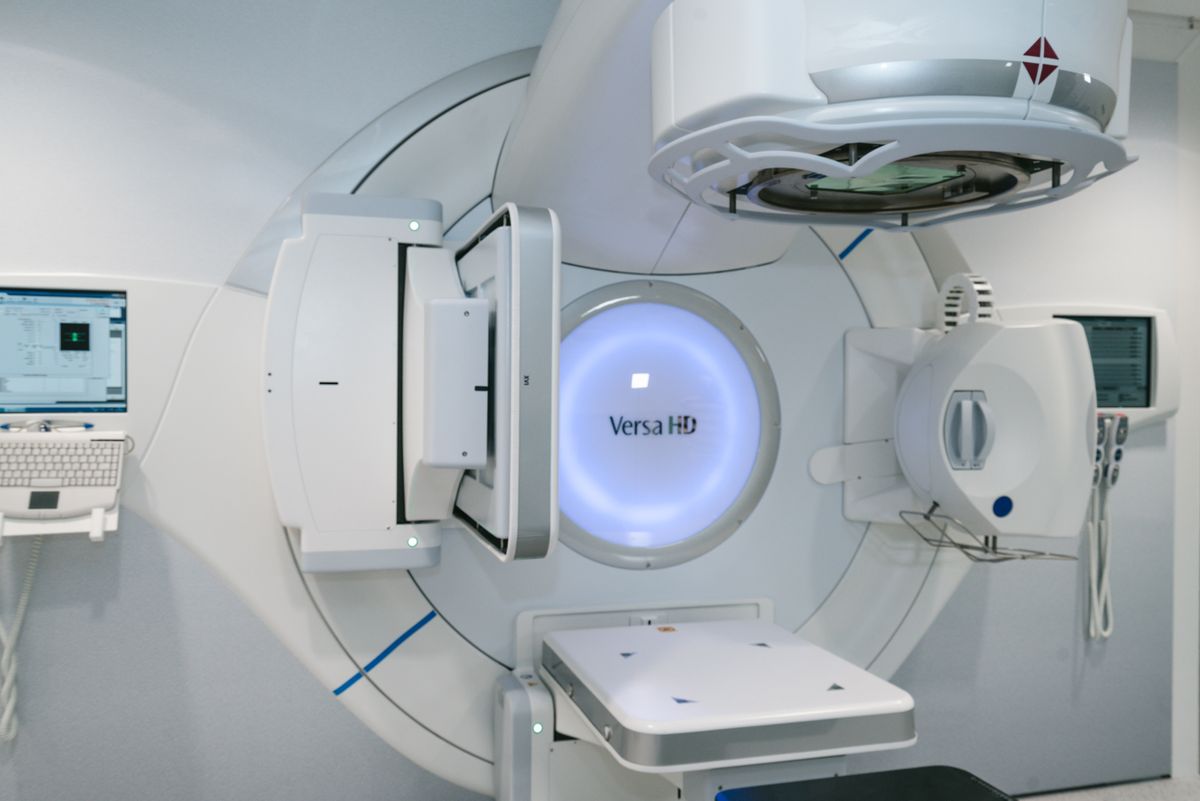
Precise external-beam radiotherapy that shapes (IMRT) and image-guides (IGRT) radiation to the tumour while sparing nearby healthy tissue.

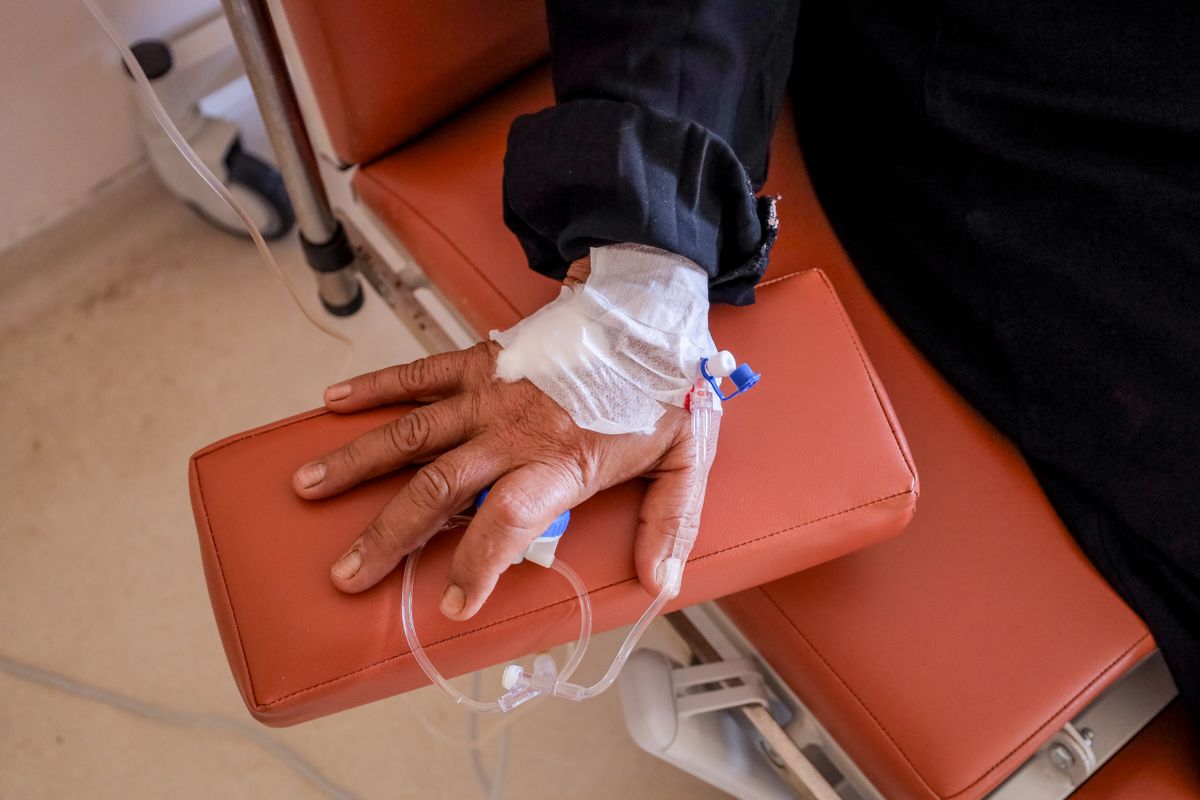
Chemotherapy uses anti-cancer medicines to kill cancer cells, given in cycles by drip, injection or tablets to treat or control cancer.
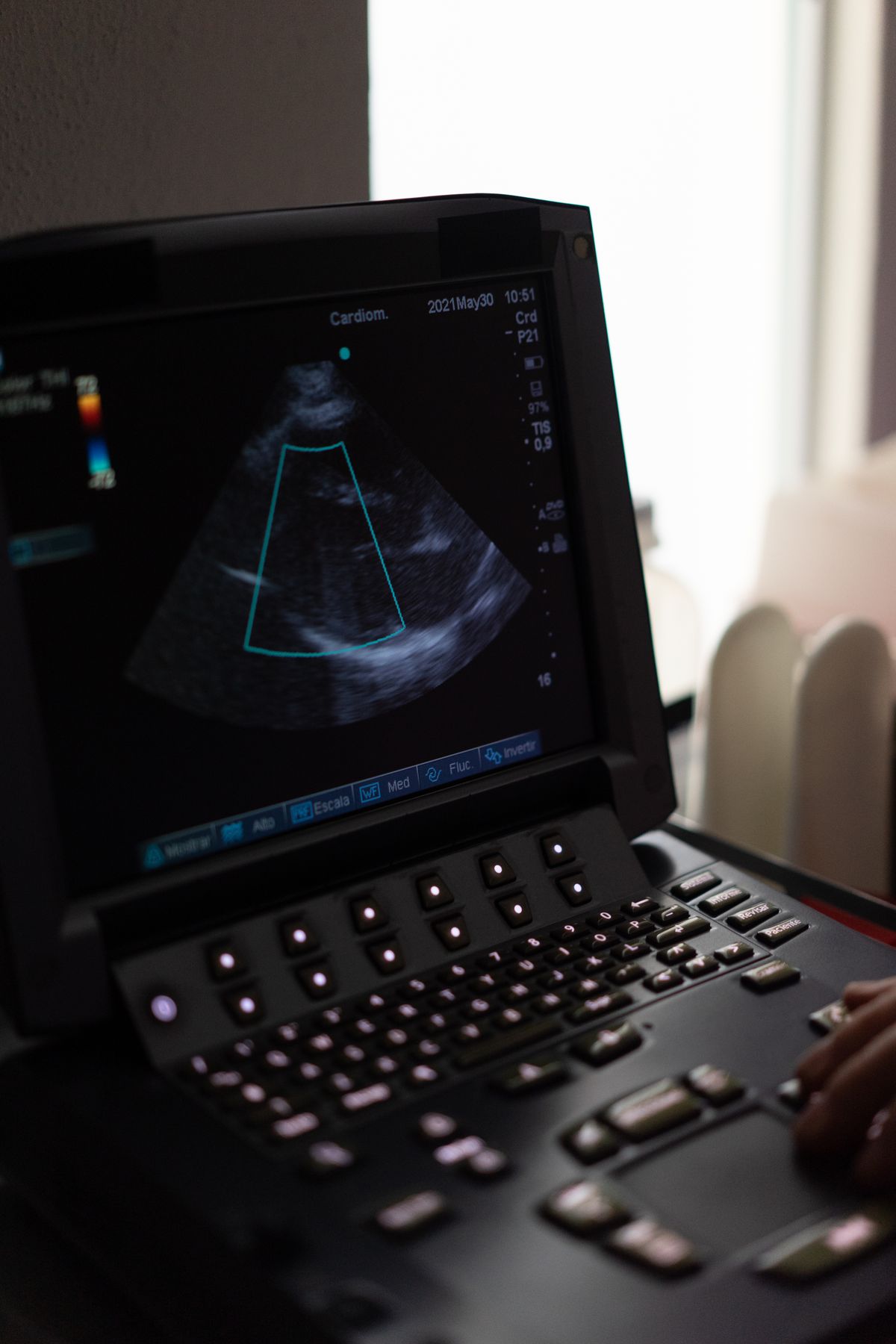
ASD / VSD closure repairs a hole in the wall between the heart's chambers (atrial or ventricular septal defect), using a catheter-delivered device or open-heart surgery.
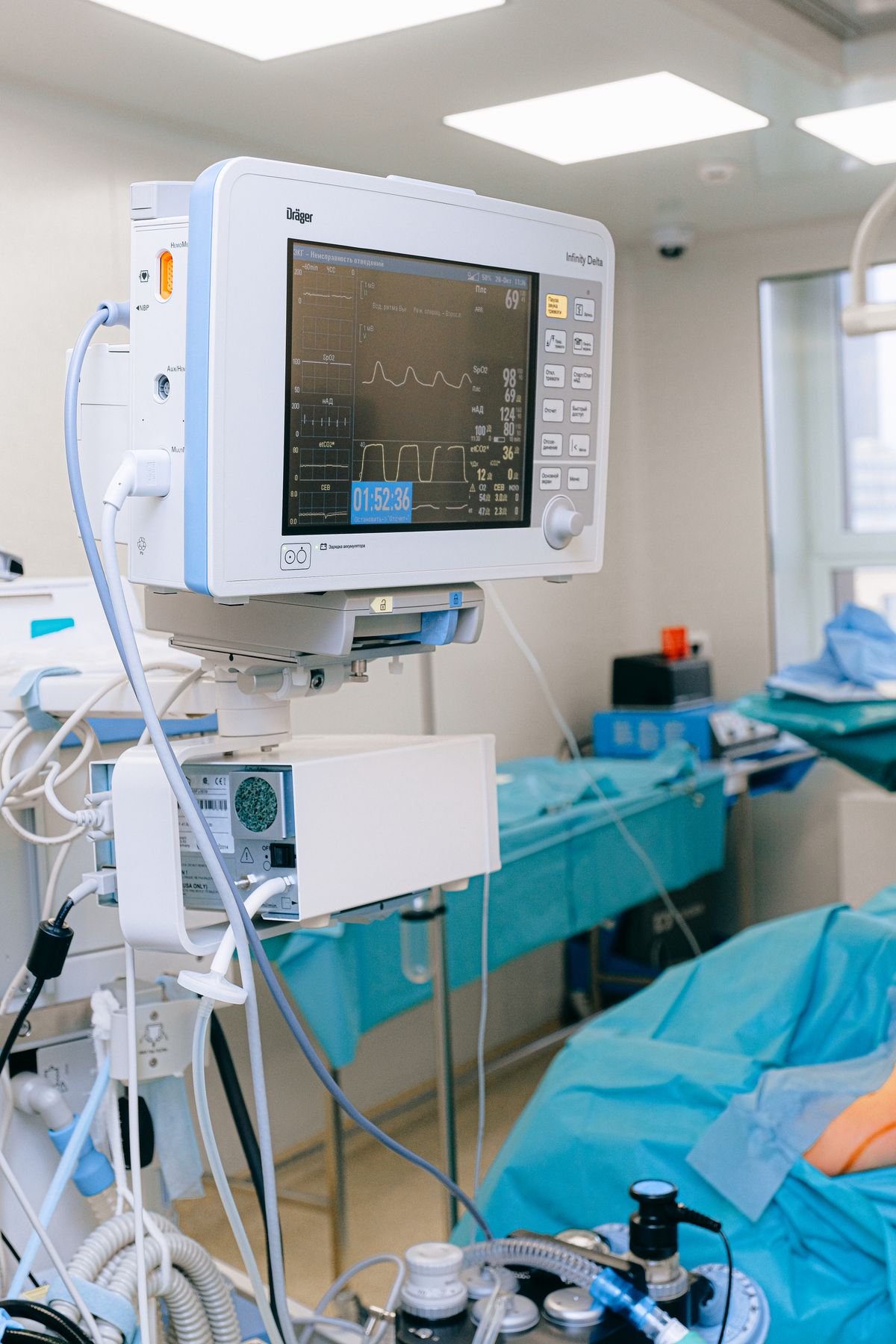
Coronary angiography is an X-ray test using contrast dye and a thin catheter to show narrowed or blocked heart arteries, often in people with angina or suspected heart disease.
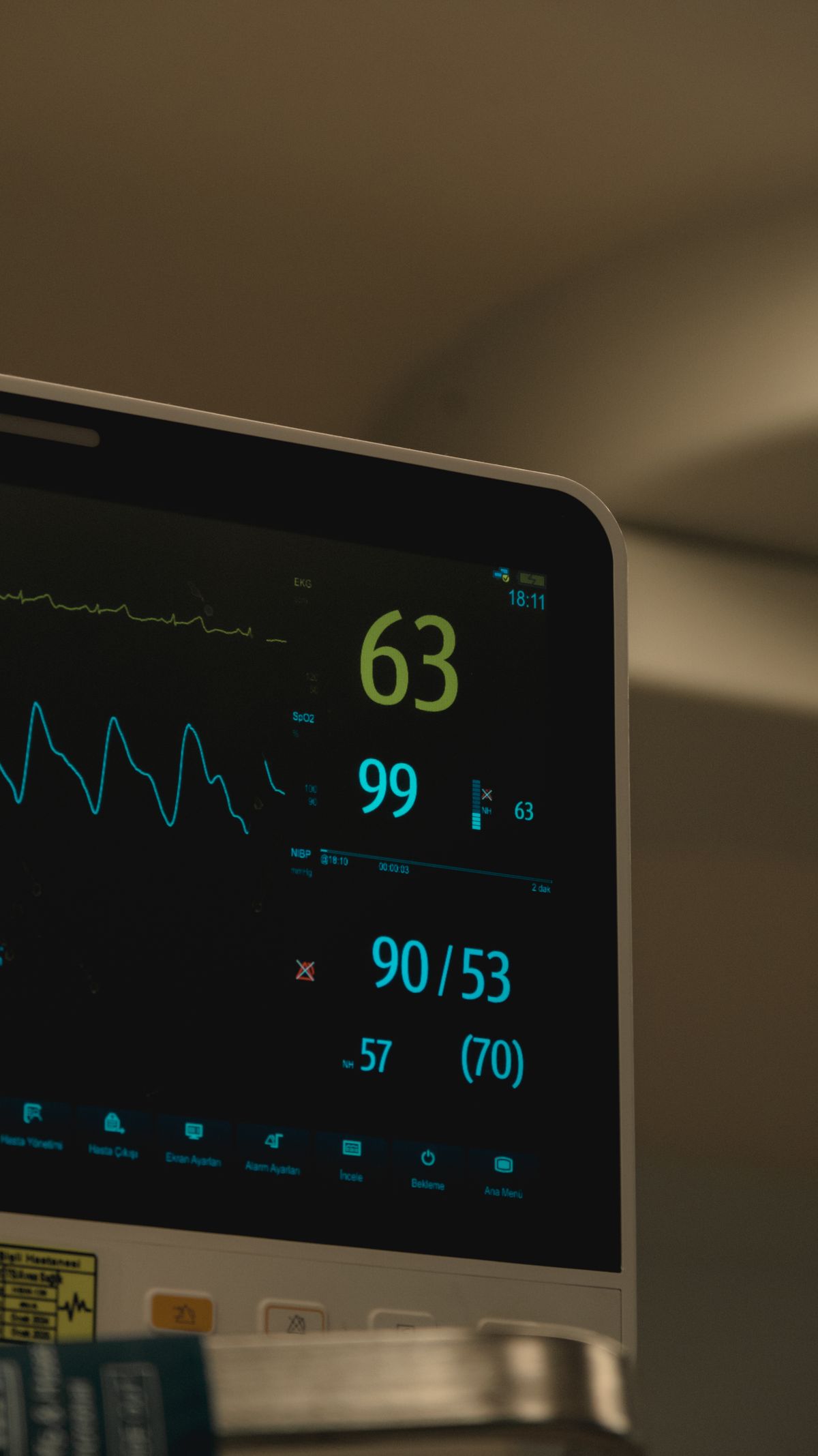
Pacemaker implantation places a small device under the skin of the chest to control the heartbeat in people with heart block, slow or irregular heart rhythms, or some types of heart failure.
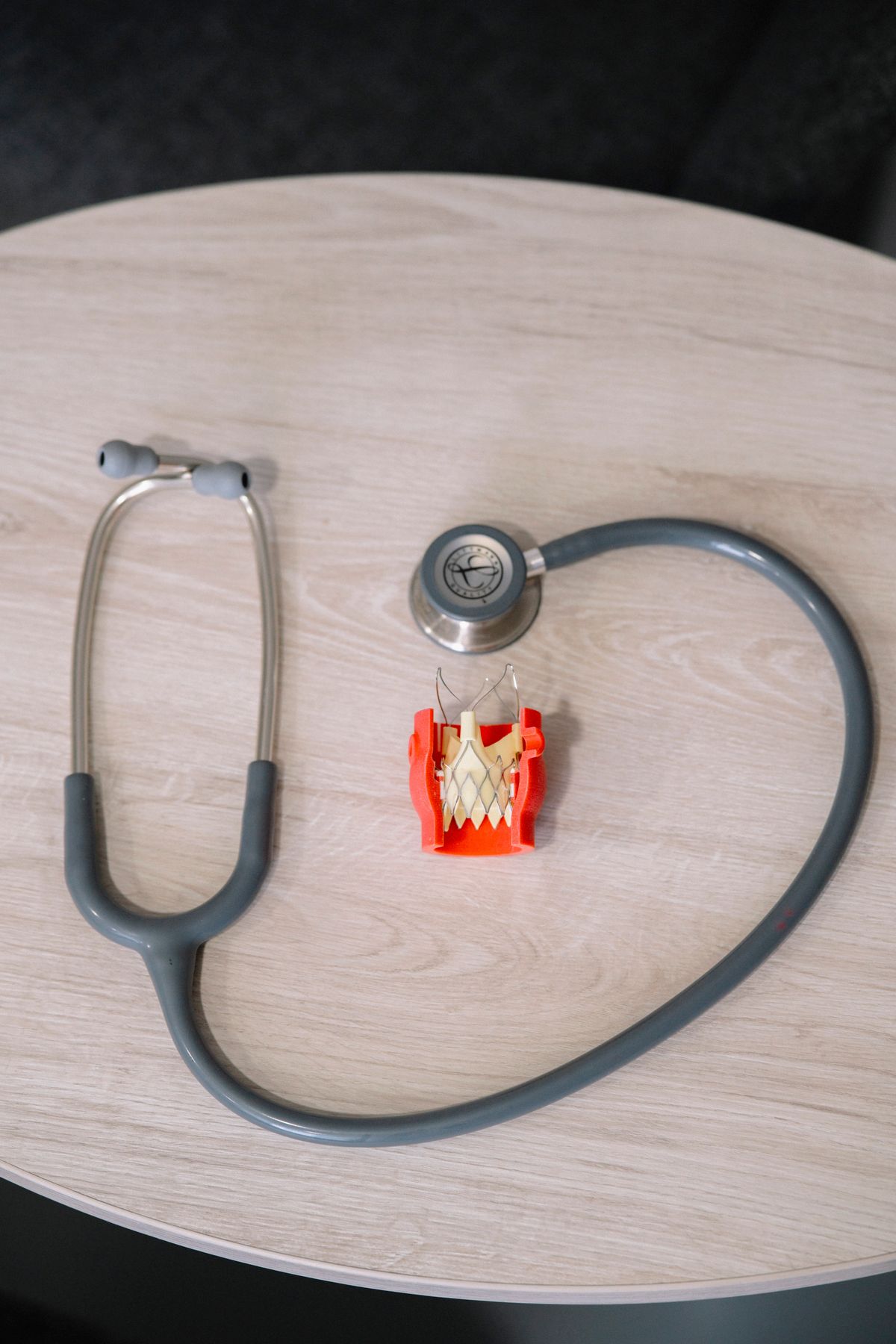
TAVI replaces a narrowed aortic valve (aortic stenosis) using a catheter passed through a blood vessel, often for people for whom open-heart surgery is unsuitable or too high risk.
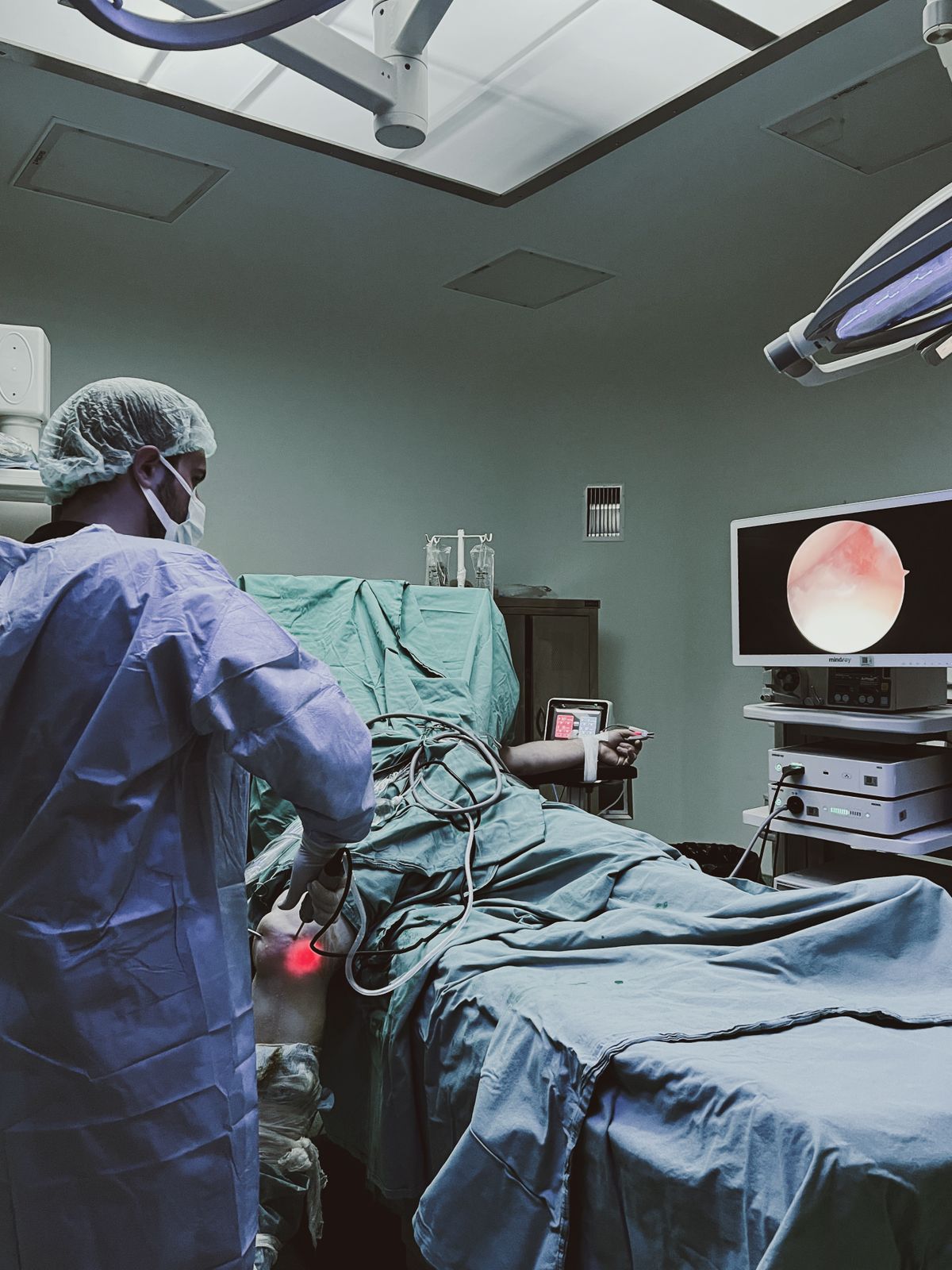
Angioplasty and stenting (PTCA) widens narrowed or blocked heart arteries with a balloon and a mesh stent, to relieve angina or treat a heart attack.

Surgery for breast cancer that removes the breast tissue, nipple and some or all underarm lymph nodes, used when cancer involves the nodes.
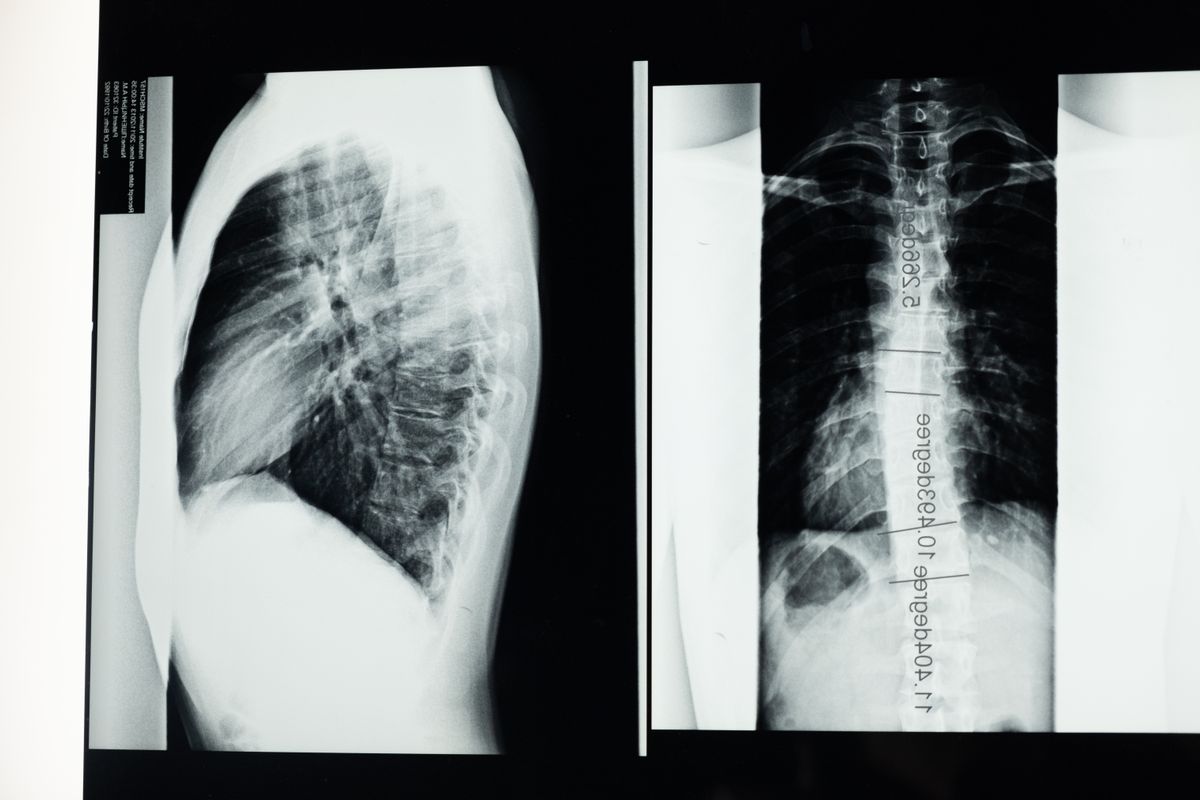
Neck surgery that removes a damaged disc through the front of the neck and fuses the bones, relieving pinched nerves and arm pain.
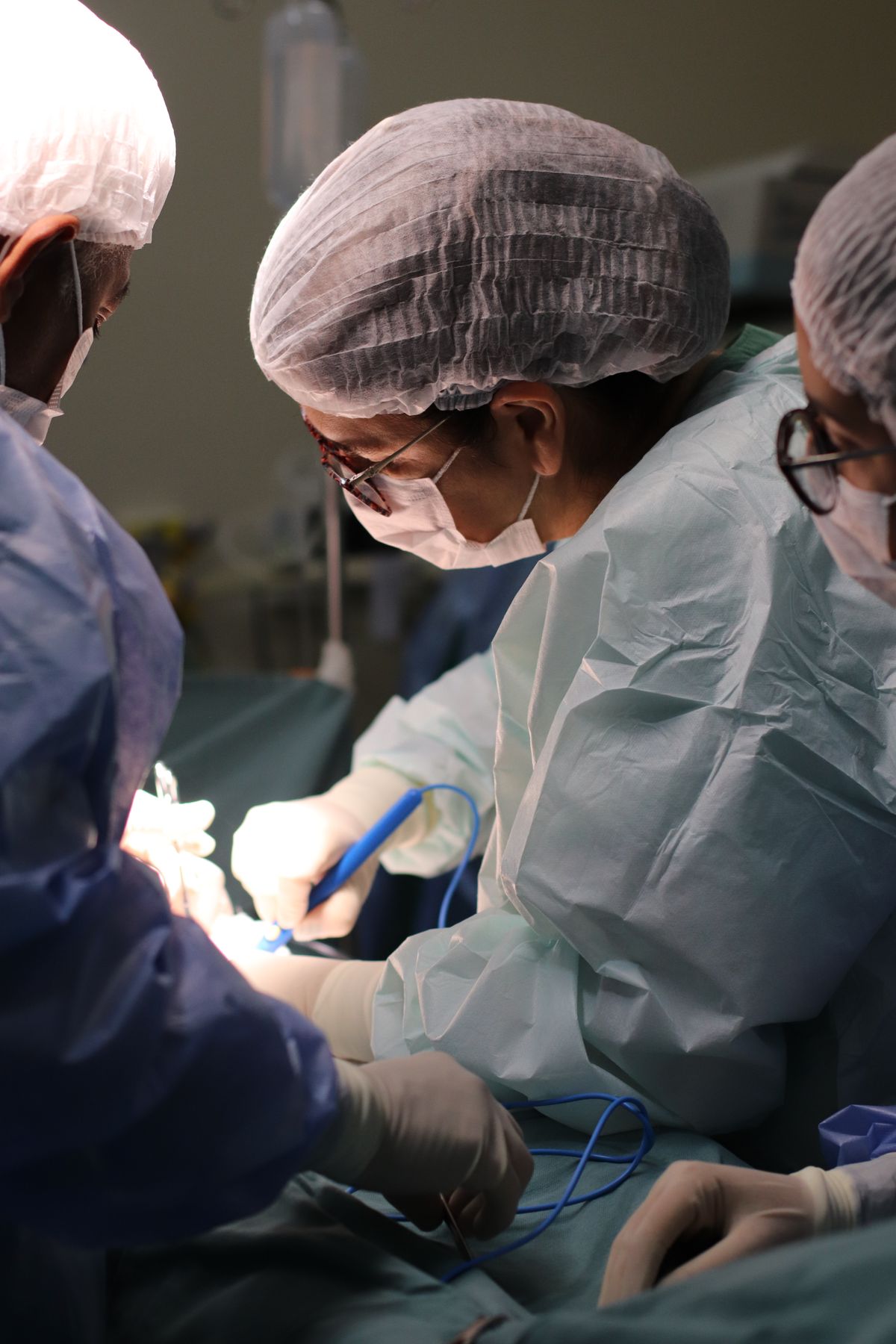
Spine surgery that removes part of a vertebra (the lamina) to relieve pressure on nerves, most often for spinal stenosis.
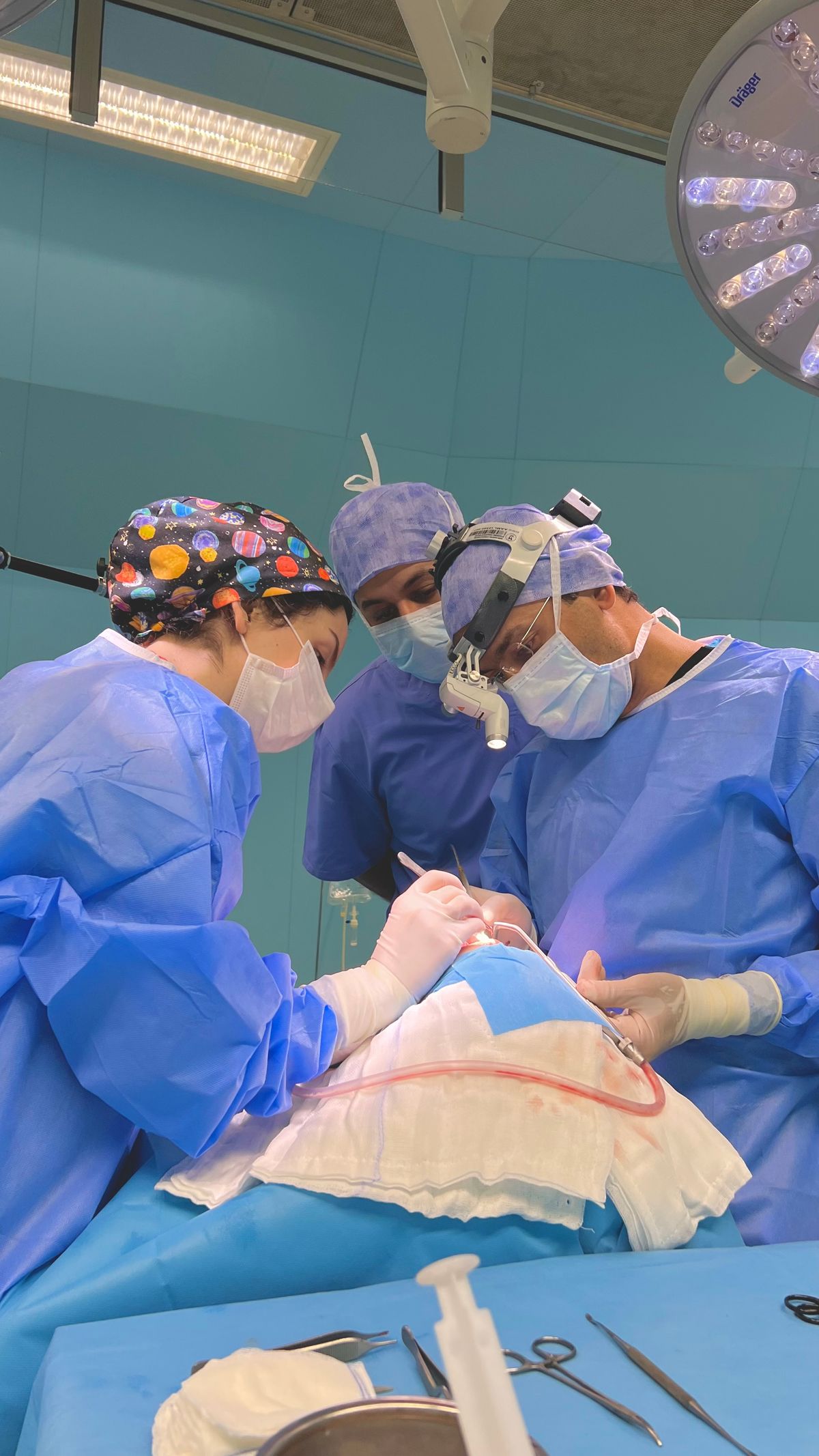
Brain surgery that temporarily removes part of the skull to treat tumours, aneurysms, blood clots, epilepsy and other brain conditions.
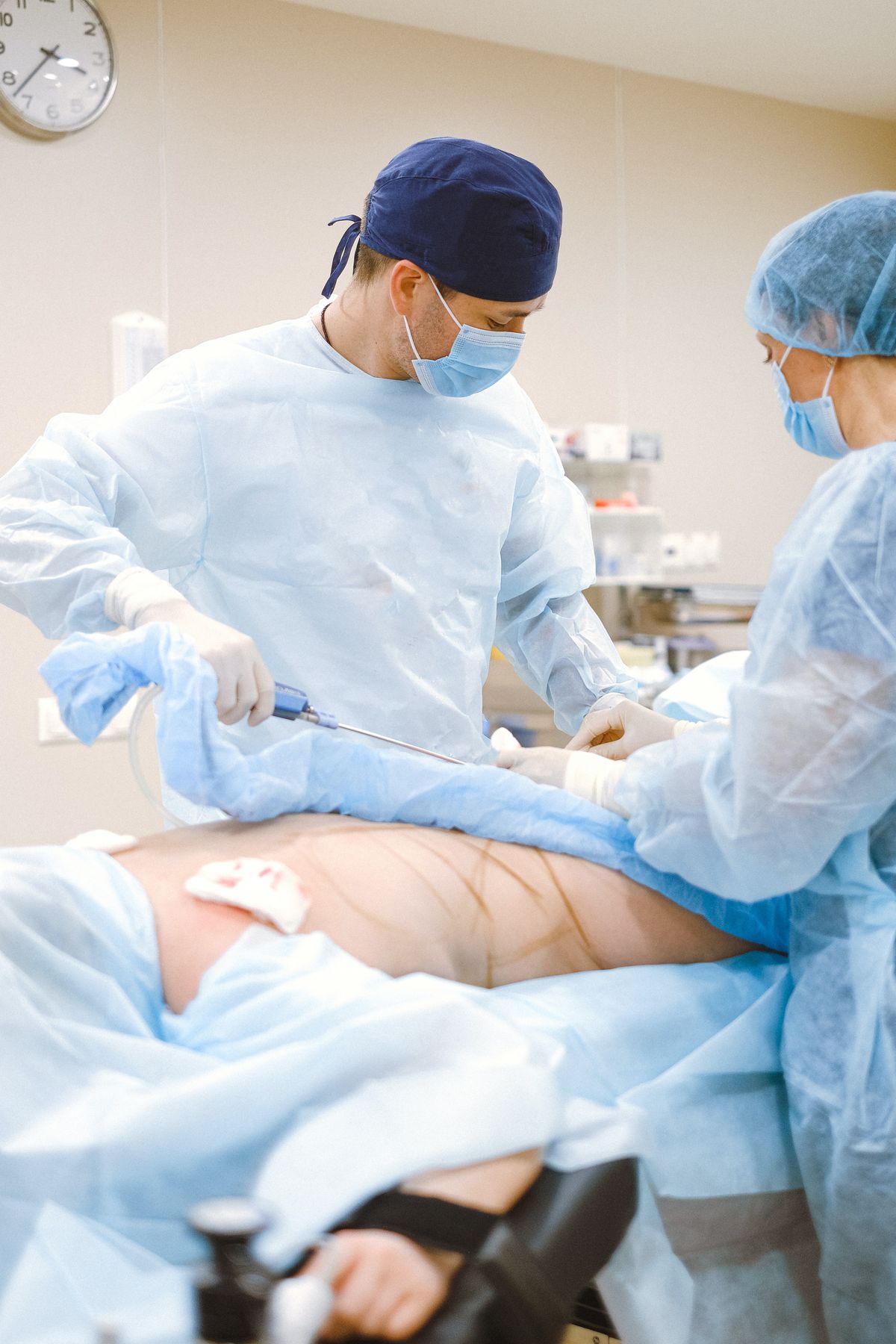
Radical prostatectomy removes the whole prostate gland and some surrounding tissue to treat prostate cancer, by open, laparoscopic or robot-assisted surgery.
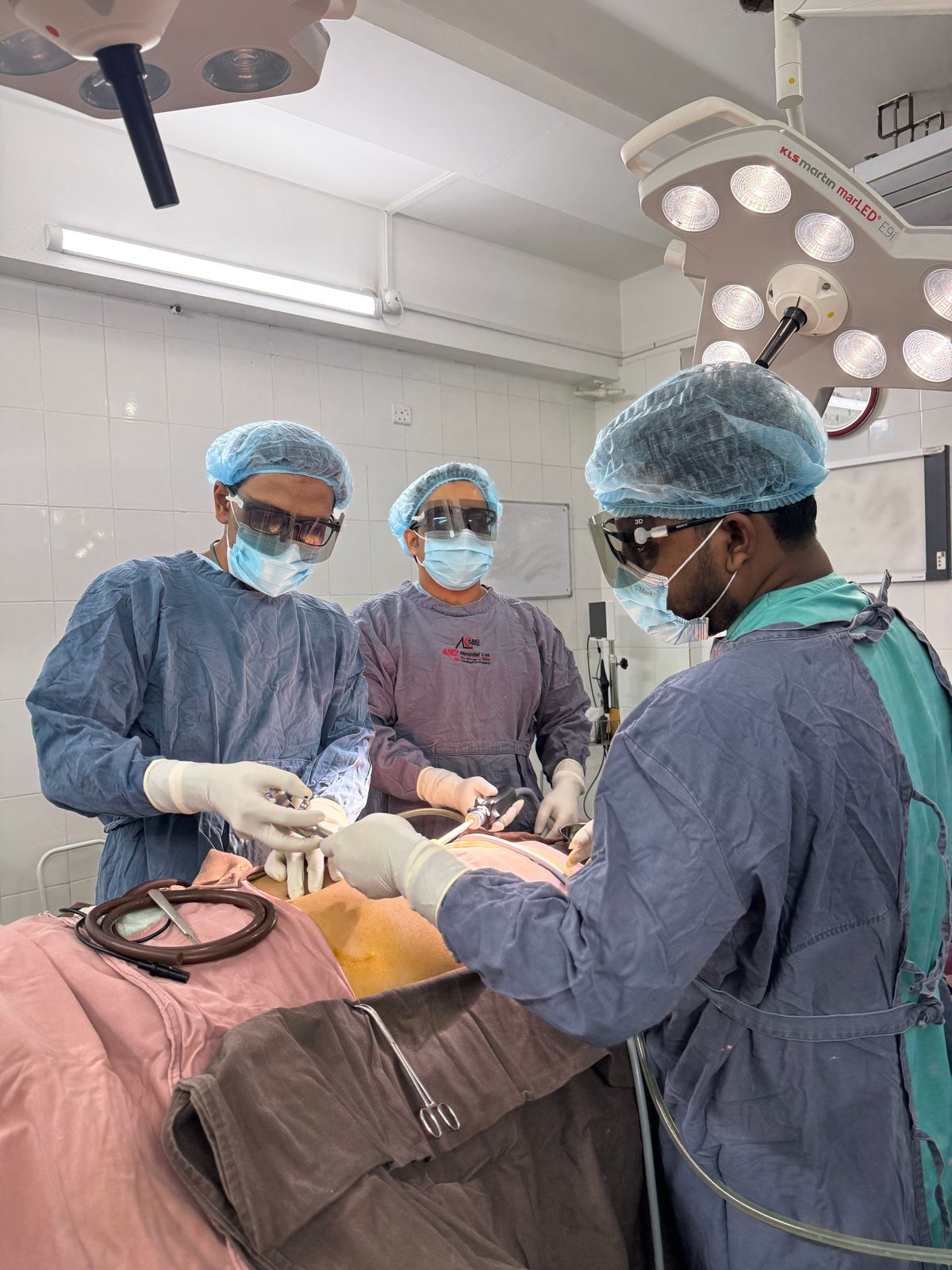
Cytoreductive surgery removes visible tumours in the abdomen, then heated chemotherapy (HIPEC) treats remaining cancer cells in the abdominal lining.
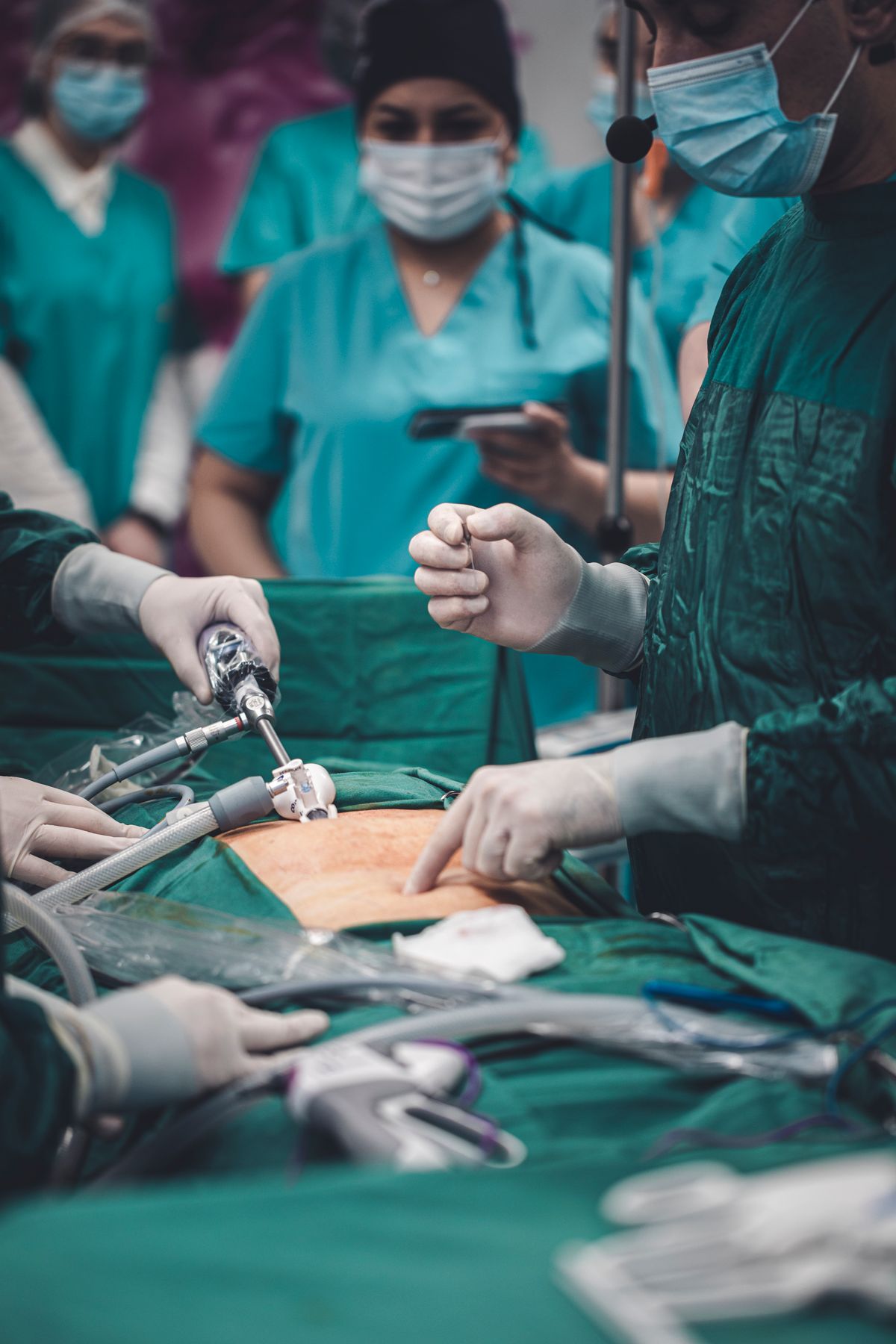
A complex operation that removes the head of the pancreas and nearby structures to treat pancreatic, ampullary and bile duct cancers.
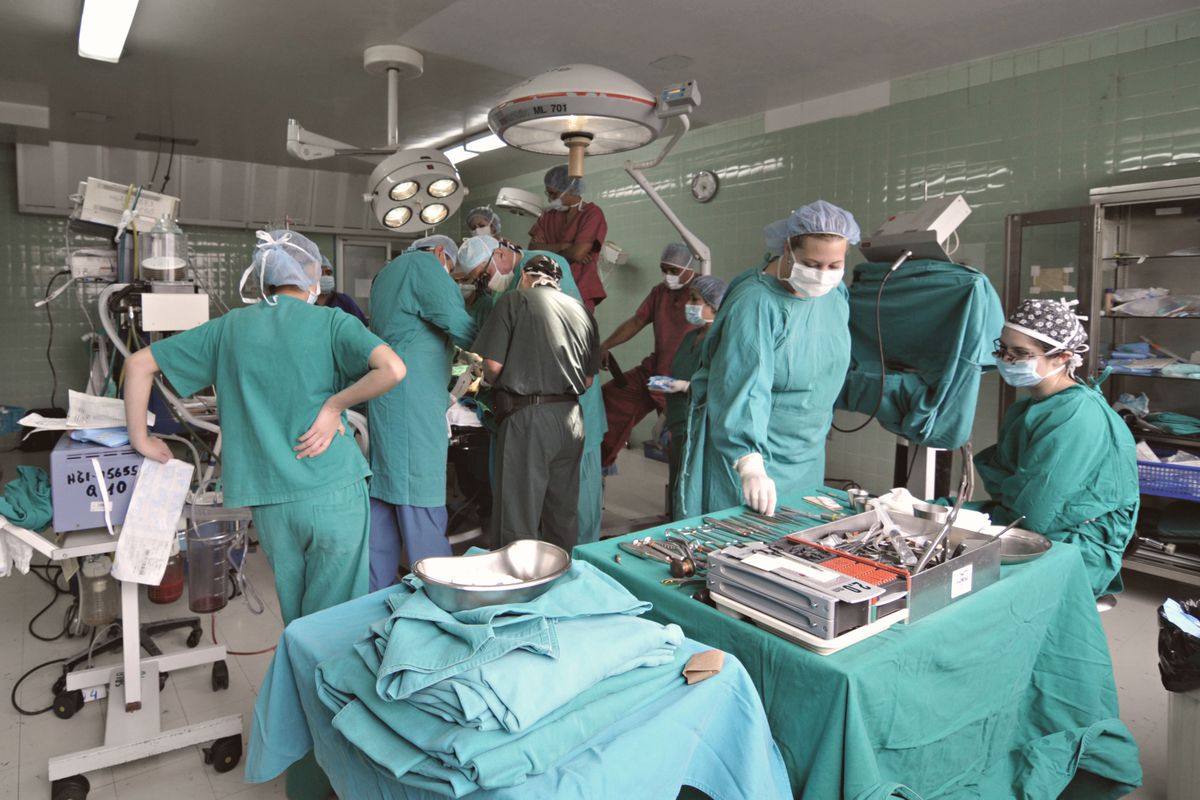
A kidney transplant places a healthy donor kidney into a person with long-term (end-stage) kidney failure, offering an alternative to lifelong dialysis.

IVF (in vitro fertilisation) fertilises eggs with sperm in a laboratory and transfers an embryo to the womb, helping people who have difficulty getting pregnant.
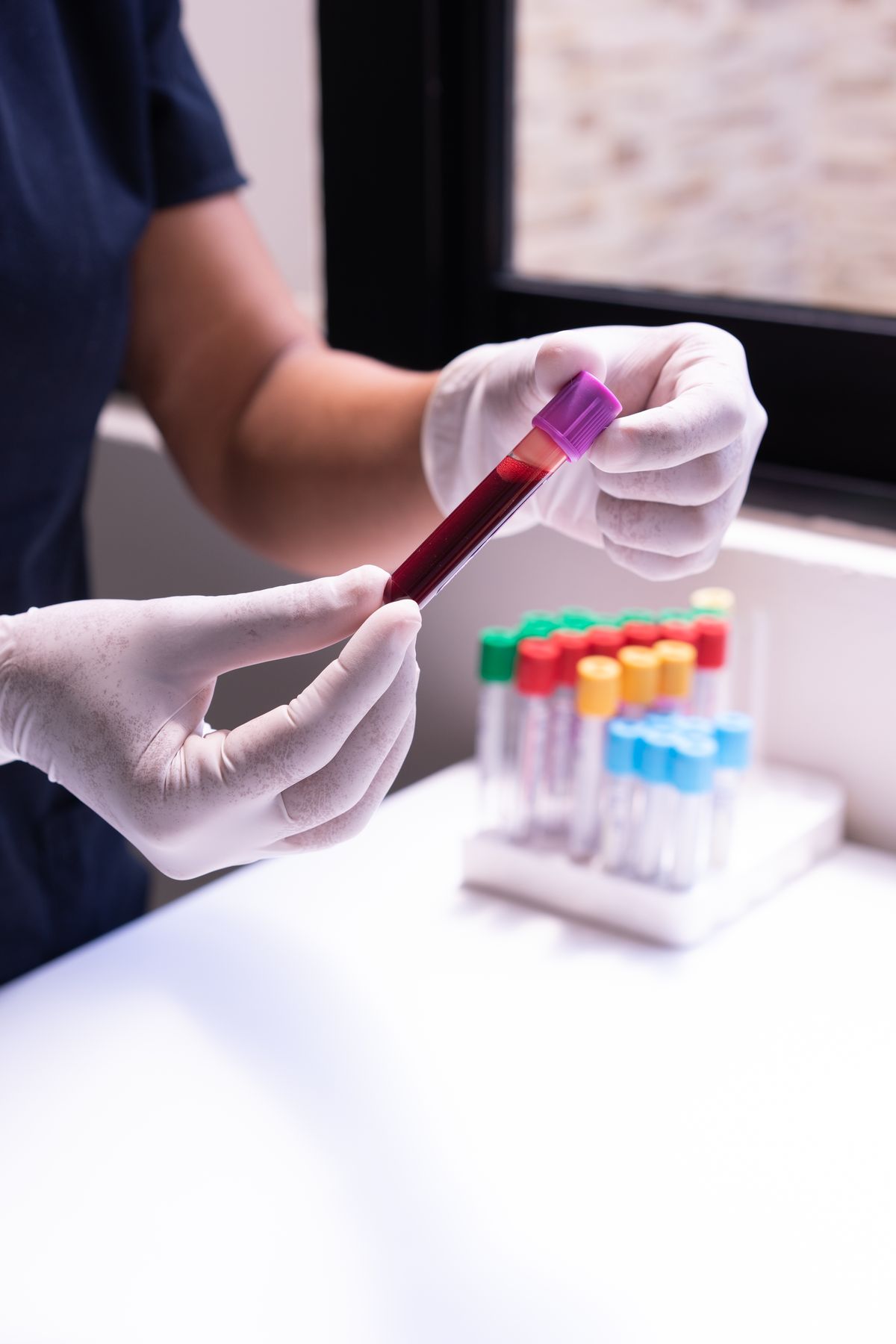
Replaces damaged or diseased bone marrow with healthy stem cells to treat blood cancers such as leukaemia, lymphoma and myeloma, and thalassaemia.
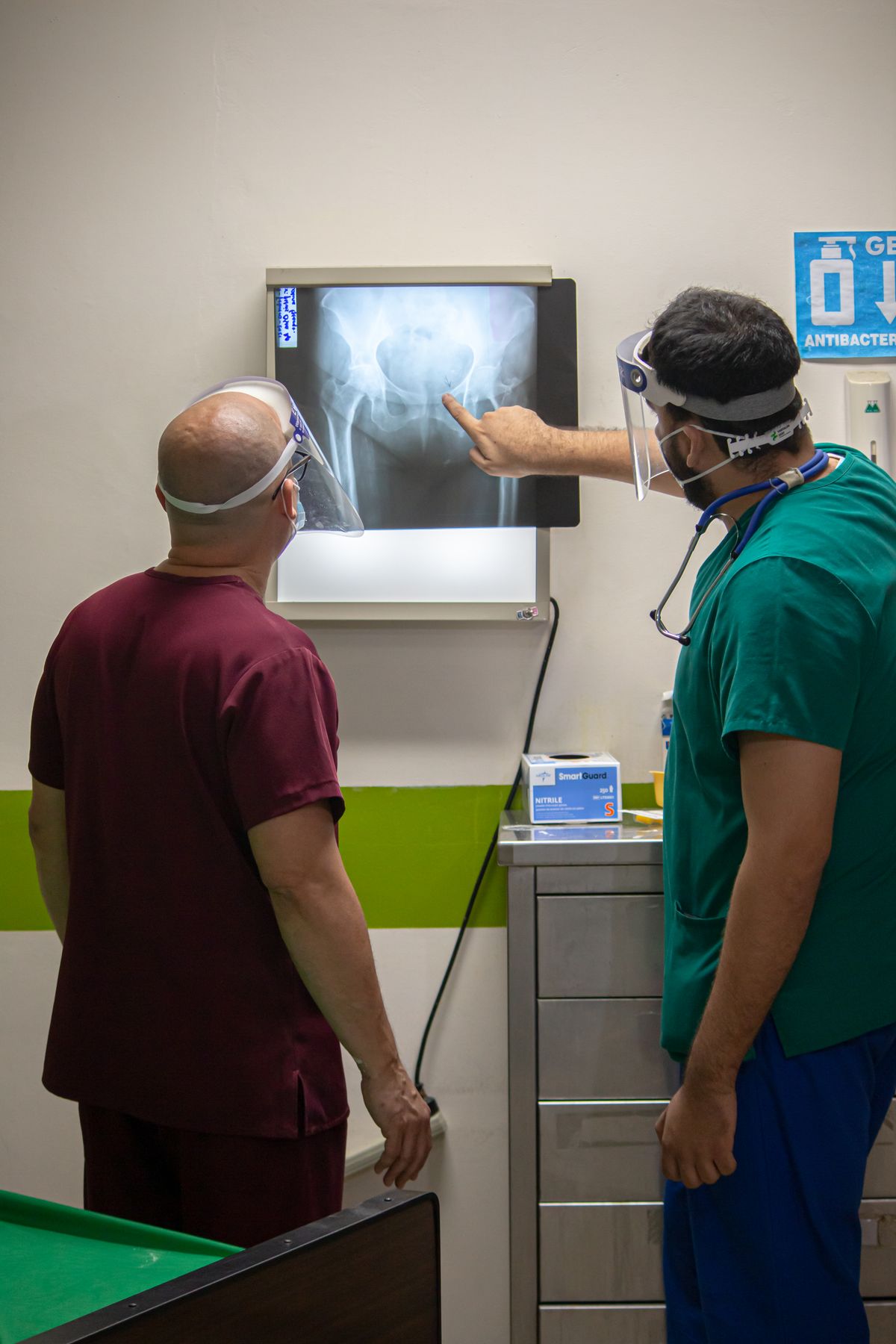
Total hip replacement on one side replaces a hip damaged by arthritis or injury with an artificial joint to relieve pain and stiffness and restore movement.
Bilateral total hip replacement replaces both damaged hip joints with artificial ones, for people with arthritis or damage affecting both hips.
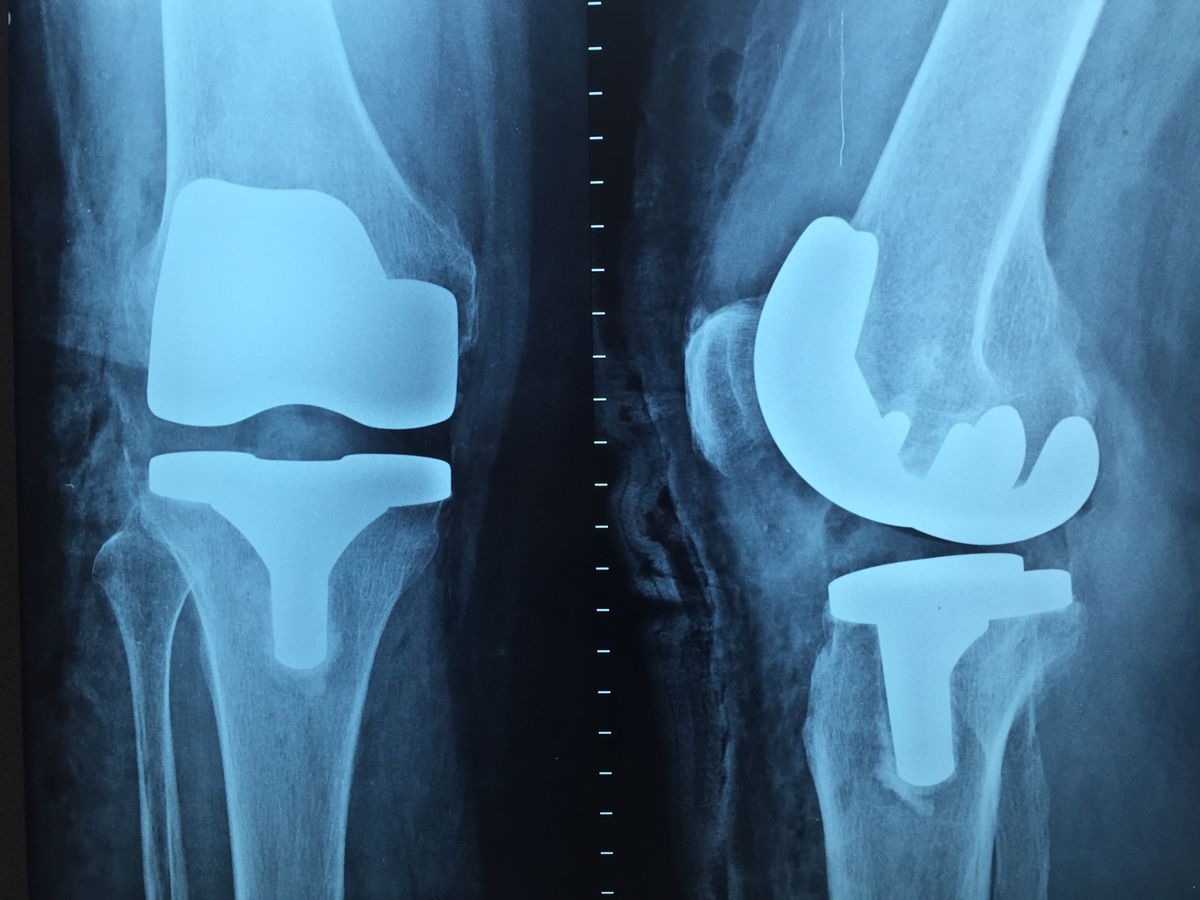
Total knee replacement on one side replaces a knee damaged by osteoarthritis or other arthritis with metal and plastic parts to ease pain and improve movement.
Bilateral total knee replacement replaces both arthritic knee joints with artificial ones, for people whose pain and stiffness affect both knees.
CABG (coronary artery bypass grafting) uses healthy blood vessels to reroute blood around blocked heart arteries, relieving angina and improving blood flow to the heart.

All our partner hospitals are accredited by JCI and/or NABH, India's national hospital standard.

Estimated price ranges and a clear breakdown. Final costs are confirmed after medical review.
We only show a success rate when it has a published source you can check.

We help with your visa letter, flights, a hotel near the hospital and airport pickup.

Browse procedures, compare estimated prices and find what fits your needs.

Request a quote and receive a personalised estimate with treatment details and next steps.

We help with flights, a hotel and airport pickup, so you can focus on getting better.

Have your treatment at an accredited hospital, with our coordinator supporting you during recovery.
Medwell arranges surgery and treatment across nine specialities at partner hospitals in Delhi NCR, including heart bypass (CABG), TAVI, knee and hip replacement, spine surgery, cancer surgery, bone marrow transplant, kidney and liver transplant, IVF, cosmetic surgery, gallbladder removal and kidney stone treatment. Each procedure page shows the hospitals that offer it.
Medwell lists price ranges for selected procedures at partner hospitals, for example CABG USD 4,800 – 7,100, total knee replacement (one knee) USD 3,800 – 7,700 and kidney transplant USD 13,300 – 14,000.
For procedures without a listed range, the cost depends on the hospital and your case, and Medwell sends a free personalised quote.
The final cost of surgery depends on your diagnosis, the hospital you choose, the treatment plan your surgeon recommends and how long you need to stay in hospital. That is why Medwell prepares a free, no-obligation personalised quote from your reports rather than a fixed price.
Send your medical reports, scans and a short description of the procedure you need through the Contact Us page. Medwell replies within 24 hours with a free, no-obligation personalised quote from suitable partner hospitals in Gurugram, New Delhi or Noida.
Waiting times depend on the hospital, the surgeon's schedule and any tests needed before surgery. Medwell confirms available consultation and surgery dates with the partner hospital when you are ready to book, so you can plan your travel around them.
Your stay depends on the procedure and your recovery, and your surgeon confirms when you are fit to travel. NHS hospital guidance advises checking with your surgeon before long-haul flights after surgery, and recommends waiting 3 months after hip or knee replacement before journeys longer than 4 hours. Medwell arranges a hotel near the hospital for your recovery.
All surgery carries some risk, wherever it takes place, and your surgeon explains the risks for your procedure before you decide. Medwell works only with partner hospitals accredited by NABH, and three also hold JCI accreditation. The treating specialist confirms whether surgery is suitable after reviewing your reports.