
Epilepsy Surgery
Brain surgery to remove, disconnect or modulate the area where seizures start, for epilepsy that medicines do not control.
Request Free Quote
Free, no-obligation quote, usually within 24 hours
About this Procedure
Epilepsy surgery is a treatment for people whose seizures are not controlled by anti-seizure medicines, or whose medicine side effects outweigh the benefits. The aim is to stop seizures or make them less frequent and less severe by treating the area of the brain where they begin. Only a specialist epilepsy team can decide whether surgery is suitable, after detailed testing.
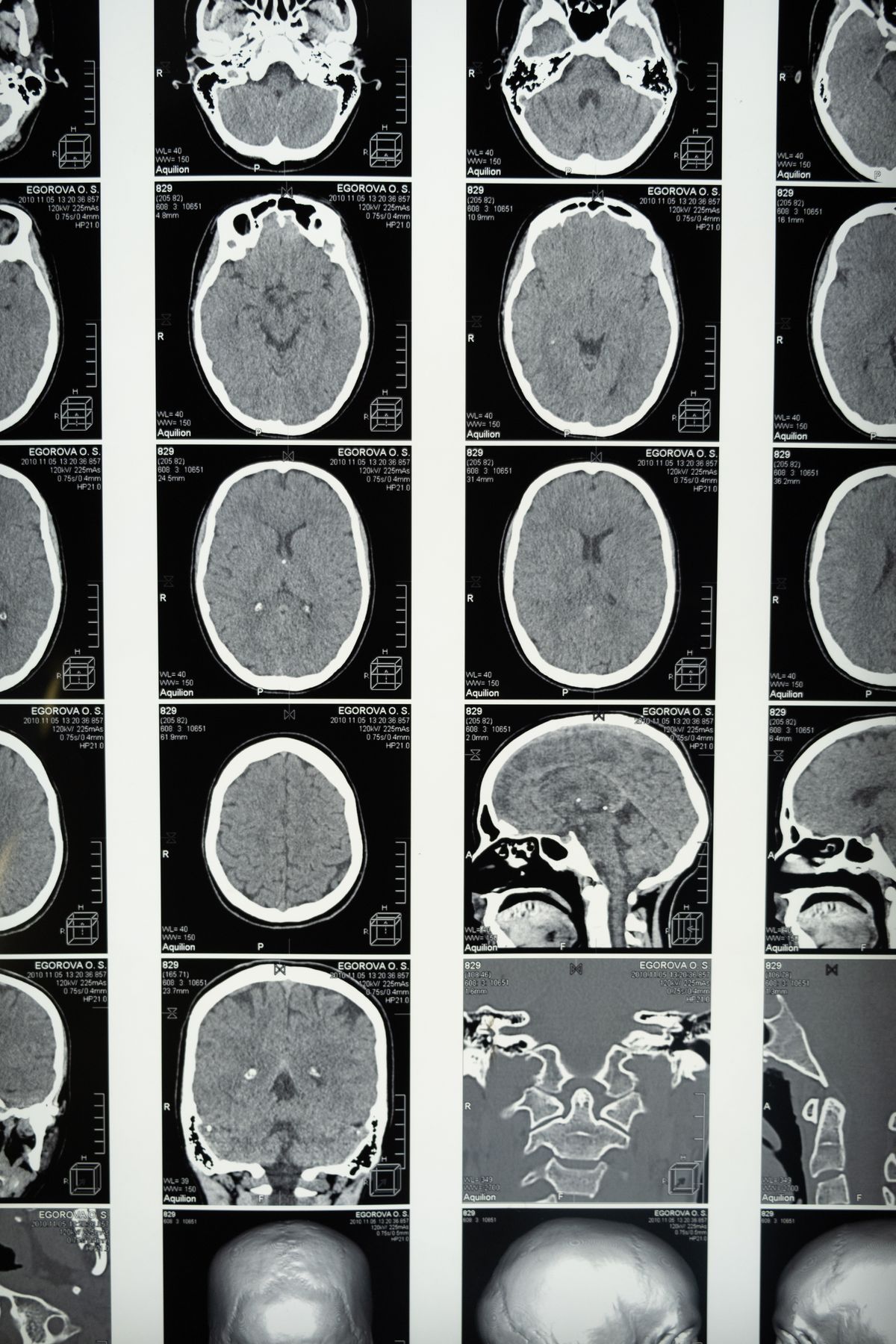
Before surgery, you have a thorough evaluation. This usually includes EEG monitoring to record seizures, MRI and PET scans, neuropsychological testing and sometimes functional MRI or a Wada test to map language and memory. Some patients then need electrodes placed on or in the brain to pinpoint the seizure focus more precisely.
There are several types of epilepsy surgery. Resection removes the brain tissue where seizures start; disconnection procedures interrupt the pathways that spread seizures; laser interstitial thermal therapy uses heat through a small opening; and neuromodulation implants a device that stimulates nerves or brain areas. Surgery is usually done under general anaesthetic, although you may be woken briefly for brain mapping. Open surgery takes several hours and is typically followed by a day in intensive care and three to five days in hospital. Most people return to normal daily activities in about four to six weeks.
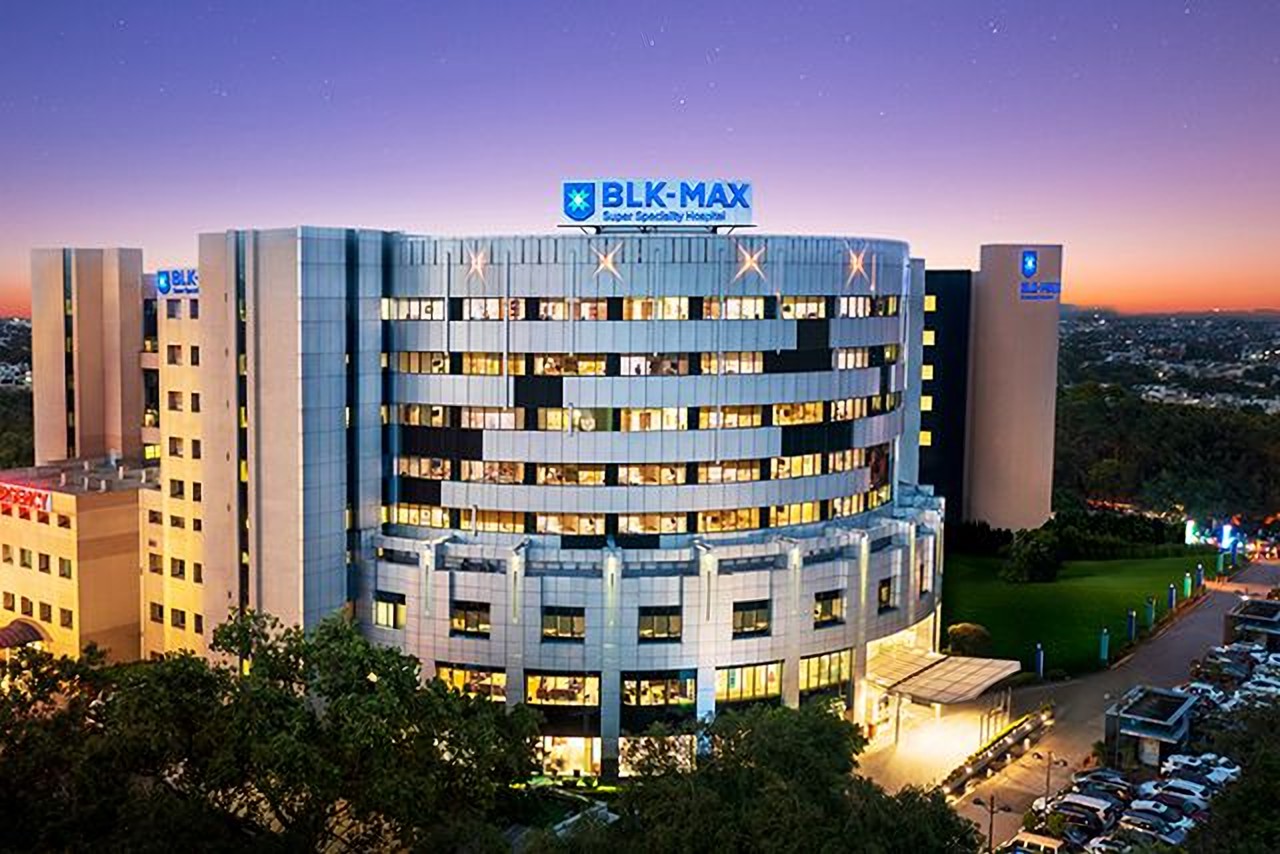
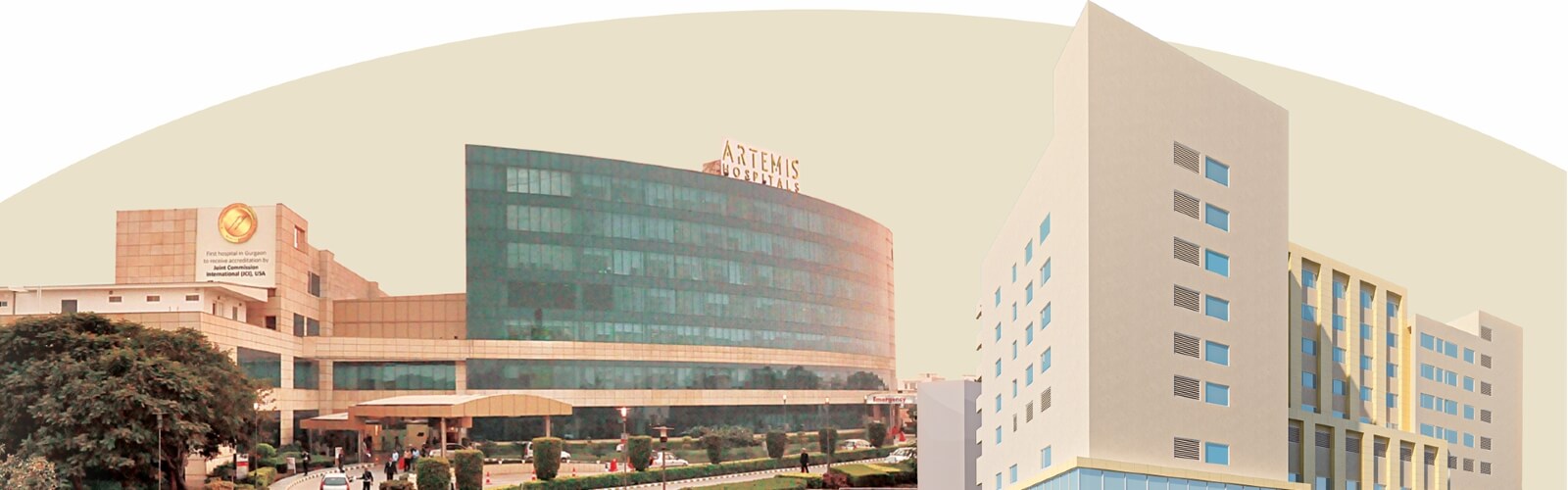
Epilepsy surgery is offered at Medwell's partner hospitals in Delhi NCR, including BLK-Max Super Speciality Hospital, New Delhi, Artemis Hospital, Gurugram, Fortis Memorial Research Institute, Gurugram and Fortis Hospital, Noida. The treating neurologist and neurosurgeon decide whether surgery is right for you after reviewing your EEG, MRI and seizure history.
Why travel for this procedure?
- Evaluation and surgery in one plan
Neurologists and neurosurgeons carry out pre-surgical testing and surgery as a single coordinated plan. - Accredited partner hospitals
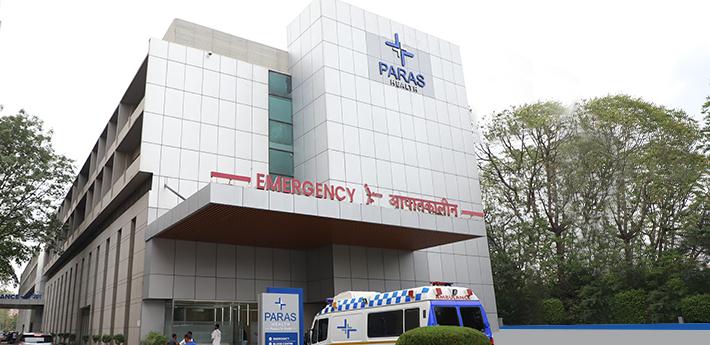
Treatment at established Delhi NCR hospitals such as BLK-Max Super Speciality Hospital, New Delhi, Artemis Hospital, Gurugram and Paras Health, Gurugram. - Experienced specialists
Neurosurgeons work with neurologists, neuroradiologists and neuro-anaesthetists to plan each case. - Shorter waiting times
Once your scans are reviewed, evaluation and surgery can usually be scheduled without long waiting lists. - English-speaking teams and Medwell coordination
Care teams consult in English, and Medwell coordinates your quote, visa letter, travel and hotel stay.


Share your EEG, MRI and seizure history
Send your EEG reports, MRI scans, medicine history and seizure diary. An epilepsy specialist reviews them and Medwell sends a personalised quote, usually within 24 hours.
Travel and pre-surgical evaluation
Medwell arranges your visa letter, flights and hotel. In Delhi NCR you undergo video-EEG monitoring and other tests so the team can locate the seizure focus.
Surgery, recovery and follow-up
If surgery is recommended, you recover in hospital and then nearby before flying. Medwell stays in touch for medicine reviews and follow-up with the neurologist.
Frequently Asked Questions
What is epilepsy surgery?
Epilepsy surgery is brain surgery to stop or reduce seizures by removing, disconnecting or modulating the area of the brain where they start. Types include resection, disconnection, laser ablation and implanted neurostimulation devices. It is offered at Medwell's partner hospitals in Delhi NCR.
Who is a candidate for epilepsy surgery?
Epilepsy surgery may suit people whose seizures continue despite anti-seizure medicines, or whose medicine side effects outweigh the benefits. Candidates need detailed testing to show where seizures begin and whether that area can be treated safely. The treating neurologist and neurosurgeon confirm suitability after reviewing your reports.
What tests are needed before epilepsy surgery?
Tests before epilepsy surgery usually include EEG monitoring, MRI and PET scans and neuropsychological assessment, and sometimes functional MRI or a Wada test. Some patients need electrodes placed in or on the brain to locate the seizure focus. International patients should plan time in Delhi NCR for this evaluation before any surgery.
How long is the hospital stay and recovery after epilepsy surgery?
After open epilepsy surgery, people typically spend one day in intensive care and three to five days in hospital, according to Cleveland Clinic. Most return to normal daily activities in about four to six weeks and to work or school in one to three months. Anti-seizure medicines are usually continued at first.
How much does epilepsy surgery cost in India?
The cost of epilepsy surgery in India depends on the hospital, the tests needed, the type of surgery and the length of your stay, so there is no single fixed price. Share your reports with Medwell and you will receive a free, no-obligation personalised quote from our partner hospitals in Delhi NCR, usually within 24 hours. Your information is kept confidential.
Which hospitals in Delhi NCR offer epilepsy surgery?
epilepsy surgery is offered at 5 of Medwell's accredited partner hospitals in Delhi NCR: BLK-Max Super Speciality Hospital, New Delhi, Artemis Hospital, Gurugram, Paras Health, Gurugram, Fortis Memorial Research Institute, Gurugram and Fortis Hospital, Noida. Medwell helps you choose a hospital and epilepsy team for your case.
How do I plan epilepsy surgery in India with Medwell?
To plan epilepsy surgery in India with Medwell, share your medical reports and scans for a free, no-obligation personalised quote, usually within 24 hours. Medwell helps you choose the partner hospital and specialist, books your consultation, provides a visa invitation letter and helps arrange flights, a hotel near the hospital and airport pickup. Because testing comes first, Medwell helps you plan enough time in India.