What Documents to Bring for Medical Treatment in India: A Checklist
A practical checklist of the travel, visa and medical documents to prepare before treatment in India, plus tips for medicines, companions and keeping copies safe.

For treatment in India, you need three sets of documents: travel documents (passport, visa authorisation and tickets), hospital documents (the hospital's letter and booking details) and medical records (reports, scans and a medicines list). Having them complete, organised and backed up saves time at immigration, at the hospital and when you get home. This checklist covers each set, based on the official Indian visa portal and NHS guidance for people travelling abroad for treatment.
1. Travel and visa documents
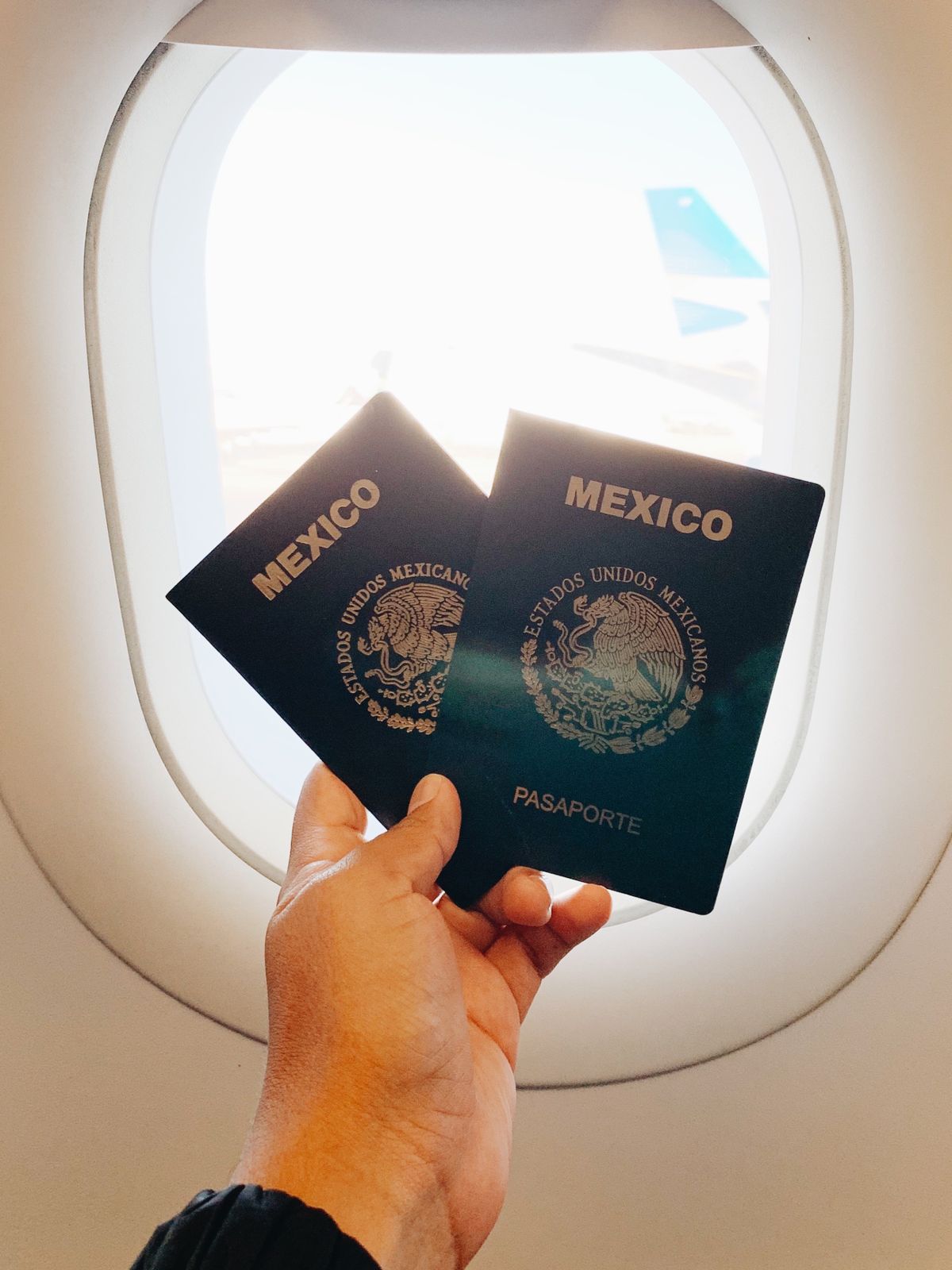
Your passport
India's official e-Visa portal says your passport should have:
- at least six months' validity at the time you apply;
- at least two blank pages for the immigration officer's stamp.
Check this for every person travelling, including companions, before you apply for any visa. The portal notes that each person needs their own passport.
Your Electronic Travel Authorisation (ETA)
If you travel on an e-Medical Visa, the portal advises carrying a copy of your ETA and checking that its status shows as "GRANTED" before you start your journey. You present the ETA at immigration, where the e-Visa is stamped in your passport. Your biometric details are captured on arrival.
Tickets and funds
The portal states that travellers should have a return or onward ticket, and sufficient money to spend during their stay in India. Keep your flight booking to hand, and consider how you will access money during a stay that may be longer than planned.
Documents for companions
Up to two companions can travel on e-Medical Attendant Visas linked to your e-Medical Visa. Each needs a valid passport and their own ETA. For their application, the portal asks for a scan of the passport's bio page.
2. Hospital documents
The hospital letter
For the e-Medical Visa, the portal requires a copy of a letter from the hospital in India, on its letterhead, giving the date or tentative date of admission. Medwell helps you obtain this letter once you have chosen your hospital and specialist. Carry a copy with you as well as the version you uploaded.
Your booking details
Keep a printed and digital copy of:
- your consultation or admission confirmation;
- your Medwell quote, which is an estimate until the hospital confirms your plan;
- your hotel booking and airport pickup details;
- Medwell's contact details and the hospital's contact details.
3. Medical records
The NHS recommends involving your own doctor before treatment abroad, including discussing how to transfer your medical notes to the overseas team. The more complete your records, the easier it is for the specialist in India to plan your care.
What to include
- A summary from your doctor describing your condition, history and the reason for referral.
- Test results: recent blood tests and other investigations.
- Imaging: scans with their written reports. Bring the image files as well as the reports if you can.
- Specialist reports: for example, biopsy and pathology reports if you are being treated for cancer. MedlinePlus explains that a biopsy is usually needed to confirm a cancer diagnosis.
- Heart records: Cleveland Clinic suggests people with heart conditions carry a copy of their ECG and their doctors' contact details when they travel.
- Previous treatment: discharge summaries and operation notes from earlier treatment.
- Allergies: a clear note of any allergies, especially to medicines.
Your medicines
Make an up-to-date list of every medicine you take, with doses. Cleveland Clinic advises packing enough medicine for the whole trip plus a few extra days, keeping it in your hand luggage in its original containers, and checking whether the country you are travelling to requires any import paperwork for your medicines. Ask your doctor about anything you may need to stop before surgery; the hospital in India will also advise you.
4. Insurance and aftercare paperwork
Medwell does not provide insurance, but the NHS advises anyone going abroad for treatment to make sure they have appropriate travel insurance, to tell their insurer about planned treatment, and to be aware that most travel insurance policies do not cover planned treatment abroad. Carry your policy details if you have cover.
The NHS also suggests thinking in advance about aftercare at home. Ask your own doctor what they will need to see from the hospital in India when you return.
5. Documents to collect before you fly home
- your discharge summary and, if you had surgery, the operation notes;
- copies of test results and scans taken in India;
- your medicines list, with doses and how long to take each one;
- written instructions for wound care, exercises and follow-up;
- your treating team's contact details;
- any fitness-to-fly letter your airline asks for.
Keep copies safe
Keep originals in your hand luggage, and store digital copies somewhere you can reach from your phone. Give a companion a set of copies too. Medwell handles the records you share with us confidentially.