India's e-Medical Visa Explained: Who Can Apply, Documents and Timings
Everything international patients need to know about India's e-Medical Visa: eligibility, the hospital letter, photo and passport rules, attendant visas and when to apply.
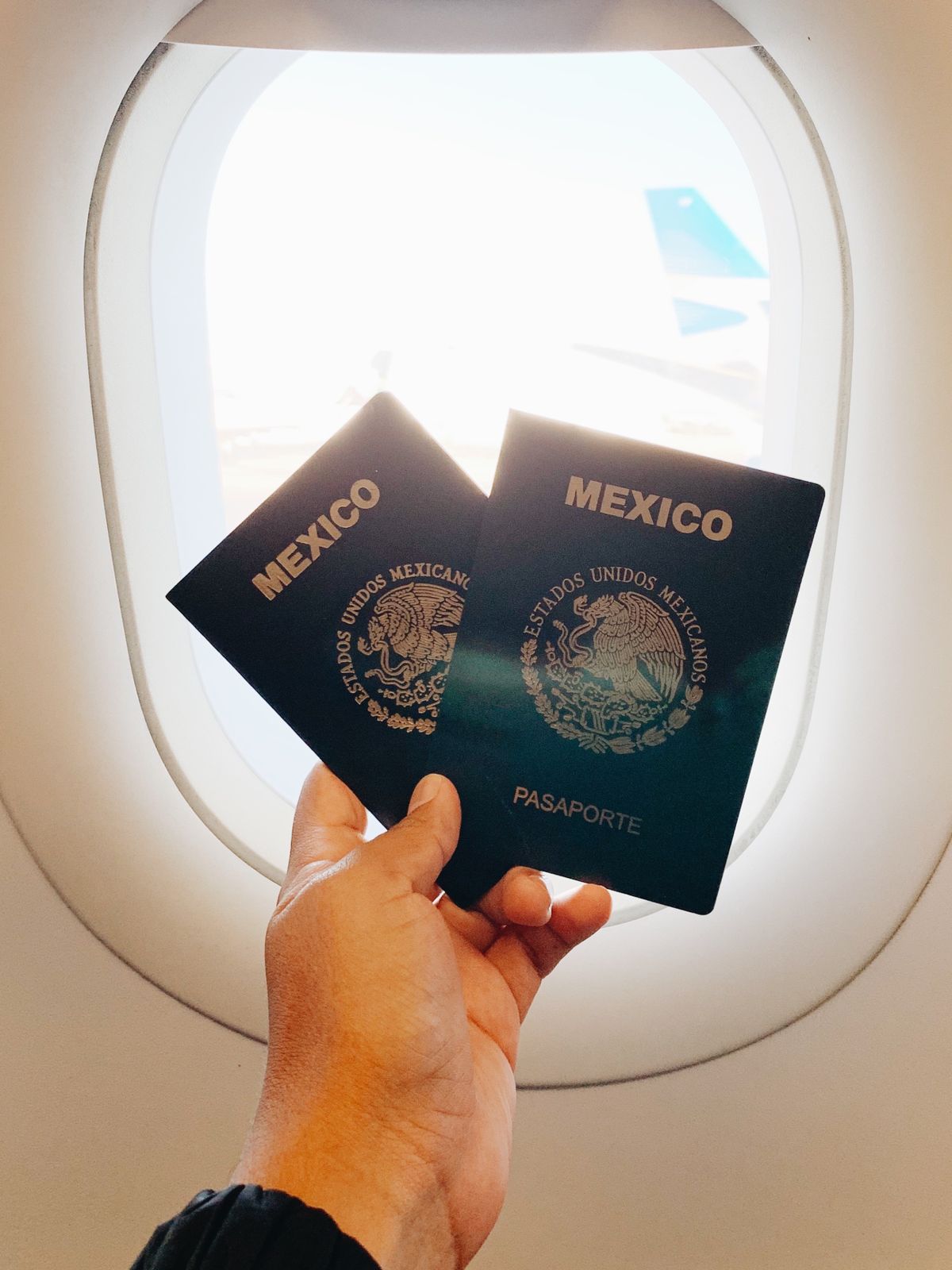
The e-Medical Visa is India's online visa for people travelling for medical treatment. You apply on the official Government of India portal, indianvisaonline.gov.in, upload a scan of your passport's photo page and a letter from the treating hospital, pay the fee online, and receive an Electronic Travel Authorisation (ETA) by email. The visa is then stamped in your passport when you arrive. Up to two family members or companions can travel with you on e-Medical Attendant Visas.
This guide explains each part of the process using the official portal's own rules. Visa rules can change, so always check the portal before you apply.
Who can apply for an e-Medical Visa?
The e-Visa is open to nationals of the countries and territories listed as eligible on the official portal. According to the portal's instructions, applicants should:
- hold a passport with at least six months' validity at the time of application;
- have at least two blank pages in that passport for the immigration officer's stamp;
- have a return or onward ticket, with sufficient money to spend during their stay in India.
The portal states that people holding a Pakistani passport, or of Pakistani origin, are not eligible for the e-Visa and should apply for a regular visa at an Indian mission. It is also not available to diplomatic or official passport holders. The portal notes that each individual needs their own passport.
The e-Medical category covers medical treatment, including treatment under Indian systems of medicine.
What documents do you need?
For the patient (e-Medical Visa)
- A scanned copy of your passport's bio page, showing your photograph and details.
- A copy of a letter from the hospital in India, on its letterhead, giving the date or tentative date of admission.
For companions (e-Medical Attendant Visa)
- A scanned copy of the passport's bio page, showing the photograph and details.
Medwell helps you obtain the hospital's letter. Once you have shared your reports and chosen a hospital, we coordinate with the hospital so the letter shows your details and tentative admission date correctly.
Photo requirements
Photos are a common reason for delays, so it is worth getting them right first time. The portal asks for:
- JPEG format, between 10 KB and 1 MB in size;
- a full-face, front view with eyes open and no spectacles;
- a plain, light-coloured or white background.
How many companions can come with me?
The portal states that only two e-Medical Attendant Visas will be granted against one e-Medical Visa. In practice, that means up to two people can travel with you as attendants. Think about who will be most useful to you during recovery, and make sure their passports meet the same six-month validity and blank-page rules.
When should I apply?
For e-Medical and e-Medical Attendant Visas, the portal says applicants can apply online at least four days before their date of arrival, within a window of 120 days. Its own example: if you apply on 1 September, you can select an arrival date from 5 September to 2 January.
Four days is the minimum, not a recommendation. We suggest applying as soon as your hospital letter is ready and your travel dates are firm, so there is time to correct anything that needs attention.
Fees and processing
The fee is paid online and depends on your nationality; the portal publishes the fee for each country. It also states that the fee is non-refundable, because it pays for processing the application whether the ETA is granted or refused.
The portal also carries an advisory that the Government of India makes no provision for charging emergency or express fees for an e-Visa. Be cautious of any website offering to speed up your application for an extra charge.
How long is the e-Medical Visa valid?
The portal's current list of e-Visa categories describes the e-Medical Visa and e-Medical Attendant Visa as valid for one year (365 days) from the date of arrival in India, with multiple entries. However, an older answer in the portal's FAQ section still refers to 60 days from first arrival. Because the two sections differ, always go by the validity shown on your own ETA and the stamp you receive on arrival, and check with the portal if you are unsure.
The portal also states that an e-Visa is non-extendable and non-convertible, and is not valid for visiting protected, restricted or cantonment areas. Plan your treatment dates with this in mind, and talk to your specialist early if your treatment may take longer than expected.
Arriving in India
e-Visa holders must enter through one of the designated airports or seaports listed on the portal; Delhi is among them. The portal states that you cannot enter by land border on an e-Visa.
Before you fly, the portal advises that you:
- check your ETA status shows as "GRANTED";
- carry a copy of your ETA with you, and present it at the immigration check post, where the e-Visa is stamped in your passport.
Your biometric details will be captured by immigration on arrival. The portal also mentions an e-Arrival card that foreign visitors can complete online within 72 hours before arrival; this is for arrival information, not a visa.
Once you are through immigration, Medwell can arrange flights, airport pickup and a hotel near your hospital.
A simple checklist
- Choose your hospital and specialist, and confirm your tentative admission date.
- Obtain the hospital's letter on its letterhead (Medwell helps with this).
- Check each passport has six months' validity and two blank pages.
- Prepare a compliant photo and a scan of each passport bio page.
- Apply on indianvisaonline.gov.in, at least four days and no more than 120 days before arrival.
- Print your ETA and check it says "GRANTED" before you travel.

