ERCP
ERCP uses an endoscope and X-rays to find and treat problems in the bile and pancreatic ducts, such as gallstones, narrowing and blockages.
Request Free Quote
Free, no-obligation quote, usually within 24 hours
About this Procedure
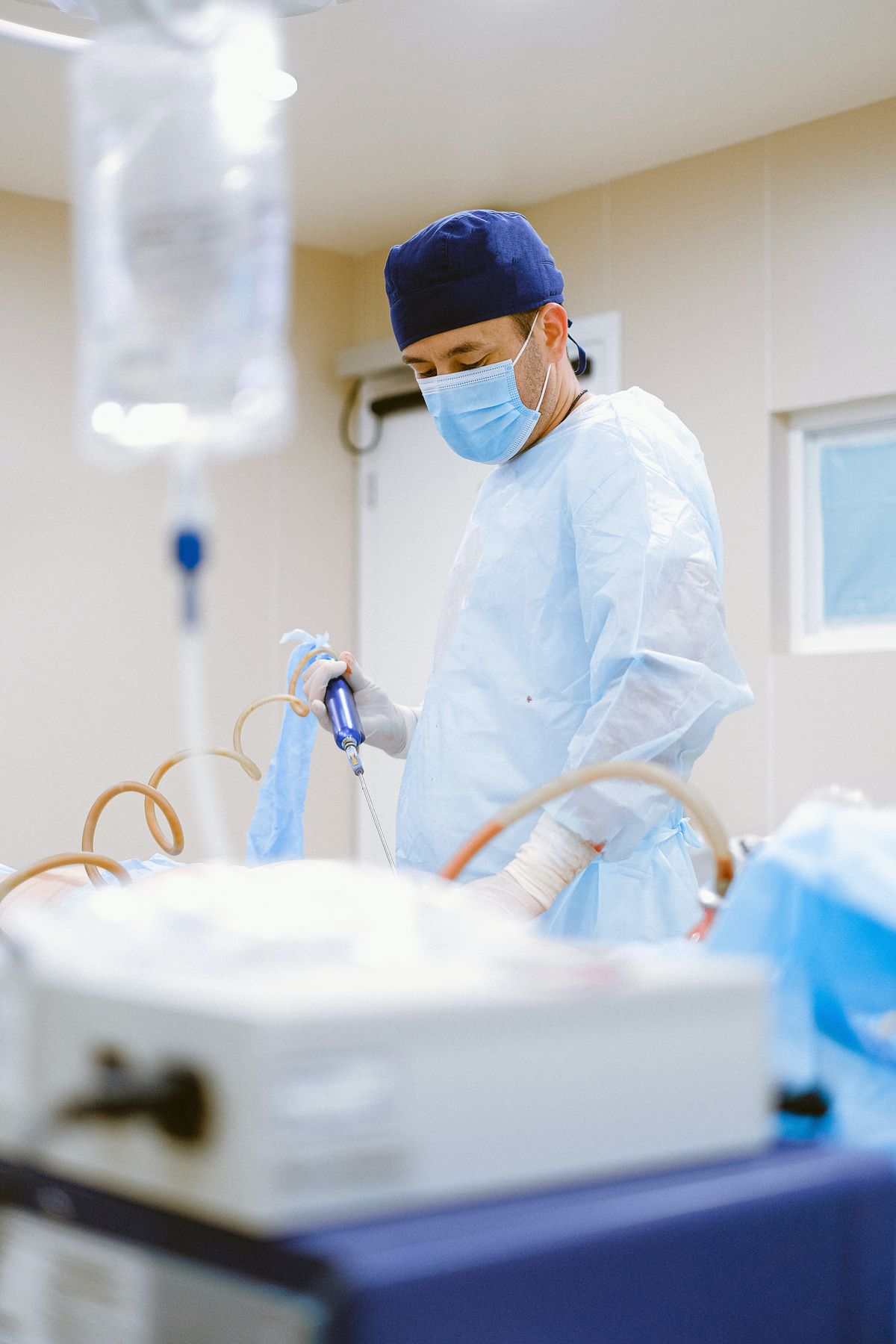
ERCP (endoscopic retrograde cholangiopancreatography) is a procedure that combines endoscopy and X-rays to examine and treat the bile ducts and pancreatic duct. MedlinePlus explains that a flexible endoscope is passed through the mouth, oesophagus and stomach into the first part of the small intestine (duodenum). A thin tube is then passed into the ducts, and a contrast dye is injected so they show up on X-ray images.
ERCP is used mainly to diagnose and treat problems of the pancreas or bile ducts that cause abdominal pain or yellowing of the skin and eyes (jaundice). Through the endoscope, doctors can remove or crush gallstones stuck in the ducts, widen narrowed ducts (strictures), place stents, drain blocked areas and take tissue samples to check for tumours. Imaging such as ultrasound, CT or MRI is usually done first to find the cause of symptoms.
ERCP is not surgery in the traditional sense, as no cuts are made in the skin. Cleveland Clinic explains that it is usually an outpatient procedure done under sedation or anaesthesia given through a drip, taking about one to two hours, and you go home the same day after the sedation wears off. A sore throat, bloating and mild discomfort for a day or two are common.
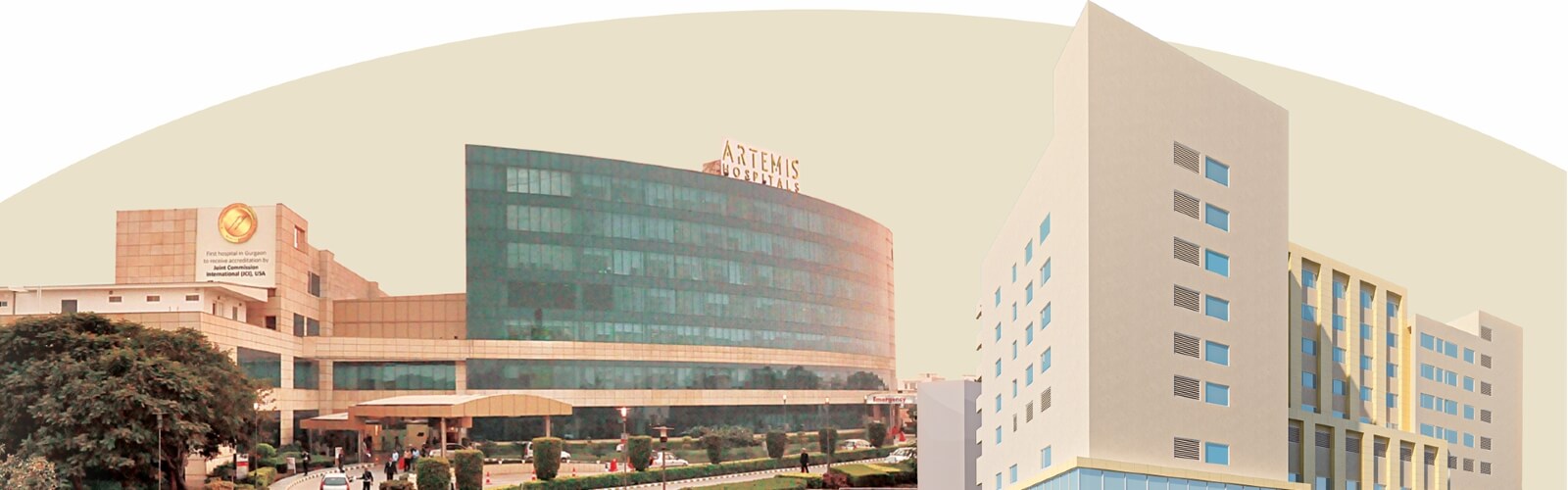
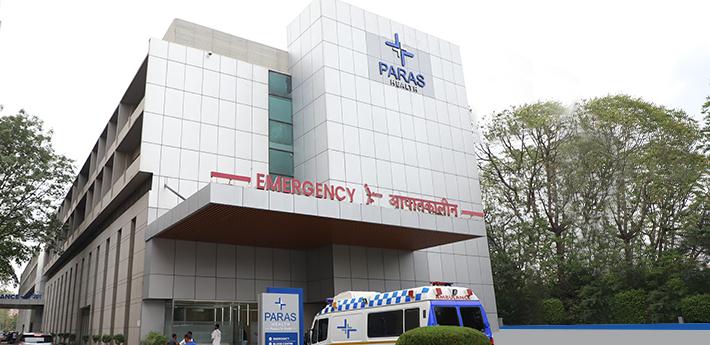
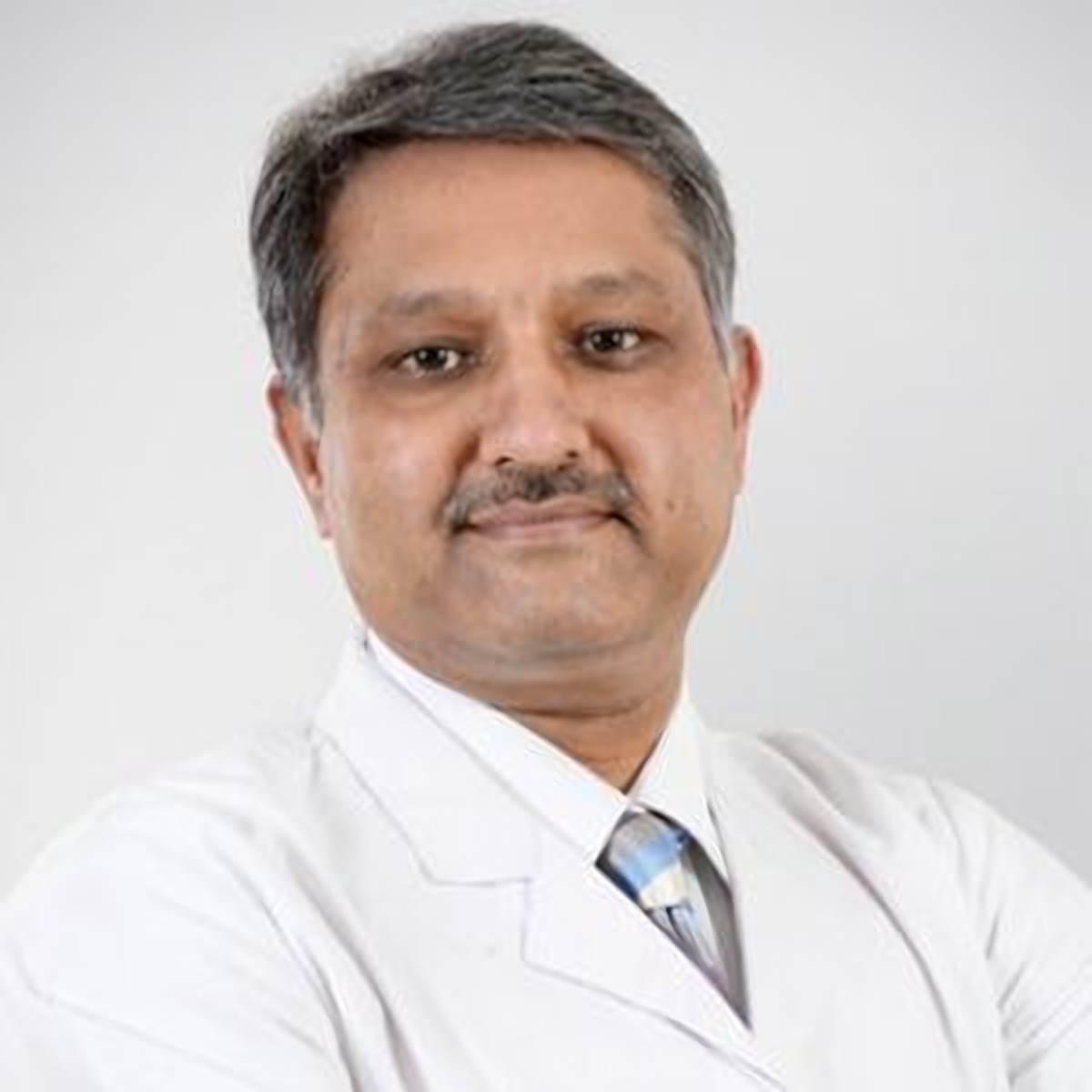
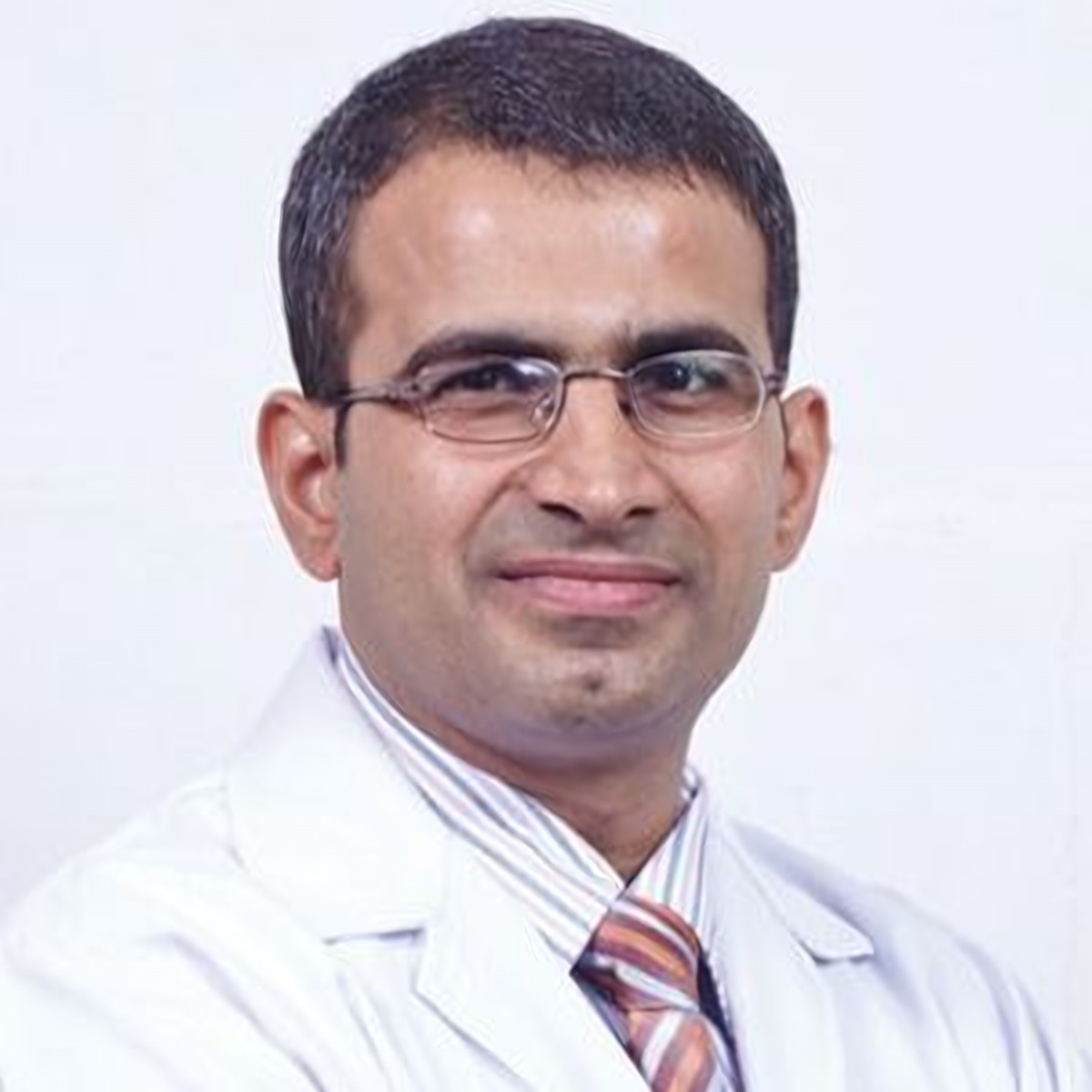
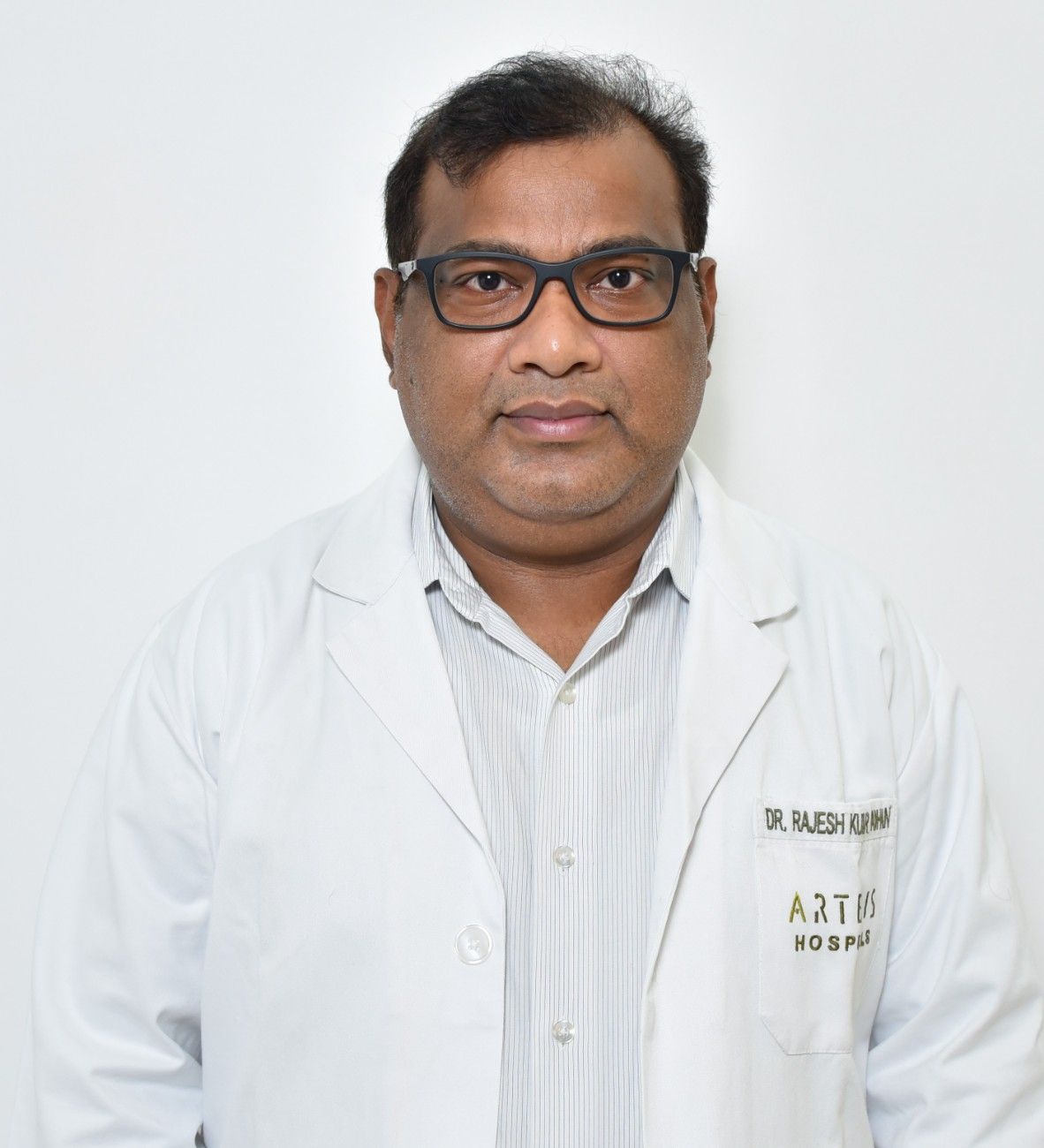
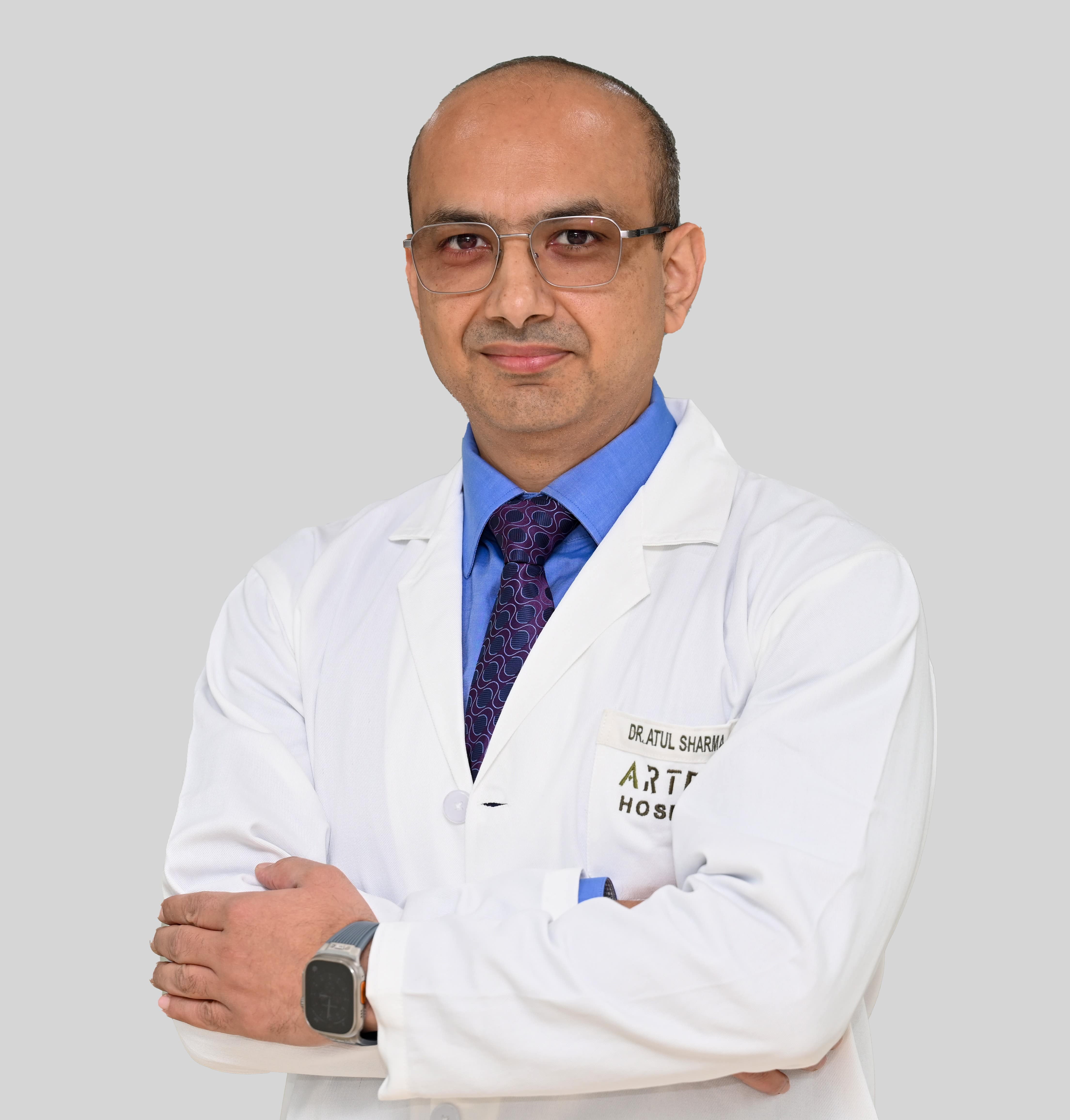
Medwell arranges ERCP at partner hospitals in Delhi NCR, including BLK-Max Super Speciality Hospital, New Delhi, Artemis Hospital, Gurugram, Paras Health, Gurugram and Fortis Memorial Research Institute (FMRI), Gurugram. A gastroenterologist reviews your blood tests and imaging to confirm whether ERCP is the right next step.
Why travel for this procedure?
- Accredited partner hospitals
ERCP is available at Medwell partners such as BLK-Max Super Speciality Hospital, New Delhi, Artemis Hospital, Gurugram and Paras Health, Gurugram. - Advanced endoscopy teams
Gastroenterologists at partner hospitals review your scans and blood tests beforehand to plan diagnostic or therapeutic ERCP. - Shorter waiting times
Planned treatment can usually be scheduled without the long waiting lists patients face in some countries. - English-speaking teams
Doctors, nurses and coordinators consult in English, and Medwell can arrange an interpreter on request. - Medwell coordination
One team handles your free quote, visa invitation letter, hotel near the hospital and airport pickup.



Share your reports and get a free quote
Send Medwell your liver function tests, ultrasound, CT or MRCP reports and a summary of your symptoms. A partner gastroenterologist reviews them and you receive a free personalised quote.
Travel to Delhi NCR and pre-treatment evaluation
In Delhi NCR you meet the gastroenterologist, complete pre-procedure blood tests and fast beforehand as advised.
ERCP, results and follow-up
ERCP is done under sedation, usually as a day procedure. Medwell helps you plan a short stay nearby to discuss results and any follow-up, such as a stent review, before you fly home.
Frequently Asked Questions
What is ERCP?
ERCP, or endoscopic retrograde cholangiopancreatography, is a procedure that uses a flexible endoscope passed through the mouth, together with X-rays and contrast dye, to look at the bile and pancreatic ducts. Doctors can also treat problems during the same procedure, for example by removing gallstones or placing a stent.
Why would I need an ERCP?
MedlinePlus says ERCP is used to evaluate and treat stones, tumours or narrowed areas of the bile and pancreatic ducts, which can cause abdominal pain and jaundice. It can remove gallstones, stretch narrowed ducts, drain blockages and take tissue samples. A gastroenterologist decides whether you need ERCP after reviewing your scans and blood tests.
How much does ERCP cost in India?
The cost of ERCP in India depends on the hospital, whether it is diagnostic or includes stone removal or stent placement, and the plan your specialist recommends after reviewing your reports, so Medwell does not publish a fixed price. Share your reports and Medwell will send a free, no-obligation personalised quote from partner hospitals such as BLK-Max Super Speciality Hospital, New Delhi and Artemis Hospital, Gurugram, usually within 24 hours.
How long does an ERCP take and when can I go home?
Cleveland Clinic says ERCP can take one to two hours and is usually an outpatient procedure, so you go home the same day once the sedation wears off, with someone to accompany you. You may have a sore throat and bloating, and mild discomfort for a day or two. MedlinePlus advises light activity on the first day.
Is ERCP safe?
ERCP is an established procedure, but it has risks, which depend partly on your health and on the treatment done during it. MedlinePlus lists reactions to the sedative or dye, bleeding, a hole (perforation) in the bowel and inflammation of the pancreas (pancreatitis), which can be serious. Your gastroenterologist will explain the risks and benefits before the procedure.
Which hospitals in Delhi NCR offer ERCP?
Medwell arranges ERCP at 4 partner hospitals in Delhi NCR (Gurugram and New Delhi):
- BLK-Max Super Speciality Hospital, New Delhi
- Artemis Hospital, Gurugram
- Paras Health, Gurugram
- Fortis Memorial Research Institute (FMRI), Gurugram
Medwell helps you choose the hospital and gastroenterologist for your case.
How do I arrange ERCP in India through Medwell?
Share your blood tests and imaging reports with Medwell for a free, no-obligation personalised quote, usually within 24 hours. Medwell helps you choose a hospital and gastroenterologist, books your consultation, provides visa invitation letter assistance and helps arrange flights, a hotel near the hospital and airport pickup, and supports any follow-up after you return home.