Robotic Cancer Surgery
Minimally invasive cancer surgery in which the surgeon controls robotic instruments through small incisions to remove tumours with precision.
Request Free Quote
Free, no-obligation quote, usually within 24 hours
About this Procedure
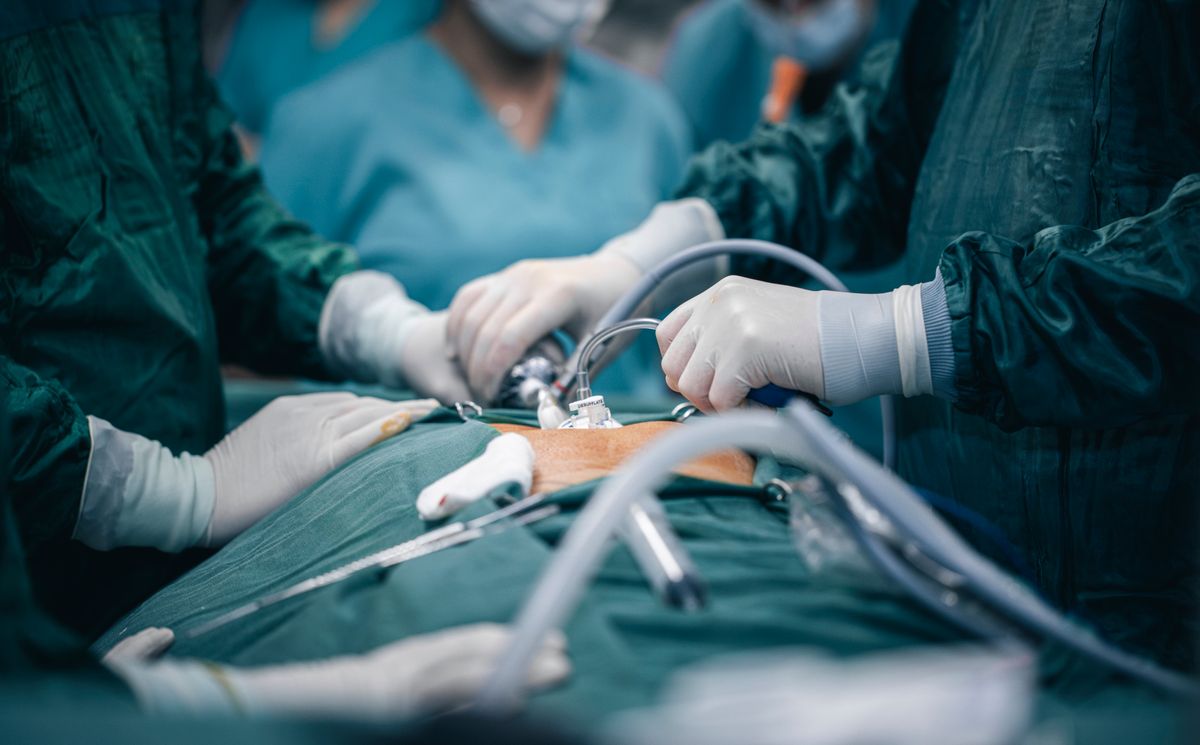
Robotic cancer surgery is a form of minimally invasive surgery in which the surgeon removes a tumour using thin instruments attached to robotic arms. The surgeon sits at a console a few feet from the patient and controls the arms, while a camera gives a magnified view inside the body. The robot does not operate by itself; it is a tool that the surgeon guides throughout.
Robotic techniques can be used for many cancer operations, depending on the organ involved and the hospital's programme. Examples include robot-assisted lung lobectomy, colorectal surgery (colectomy), hysterectomy for gynaecological cancers, and transoral robotic surgery for some throat cancers. Whether a robotic approach suits you depends on the type, size and position of the tumour and on your overall health.
The operation is done under general anaesthetic. The surgeon makes one or more small incisions and places ports (thin tubes) through them for the camera and instruments. Compared with traditional open surgery, robotic surgery is associated with less pain during recovery, reduced blood loss, a lower risk of infection, smaller scars and a shorter hospital stay. Occasionally the surgeon needs to switch to an open operation with a larger incision for safety.
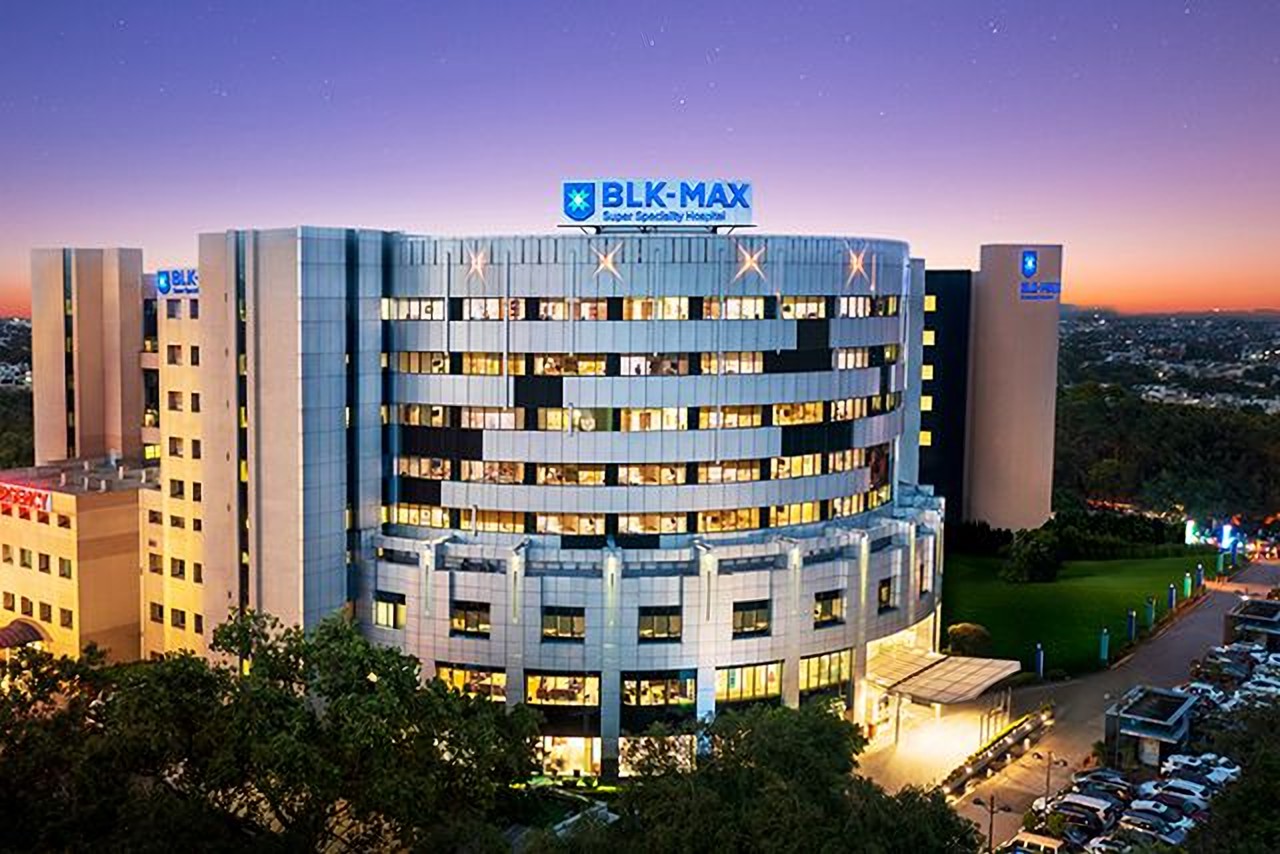
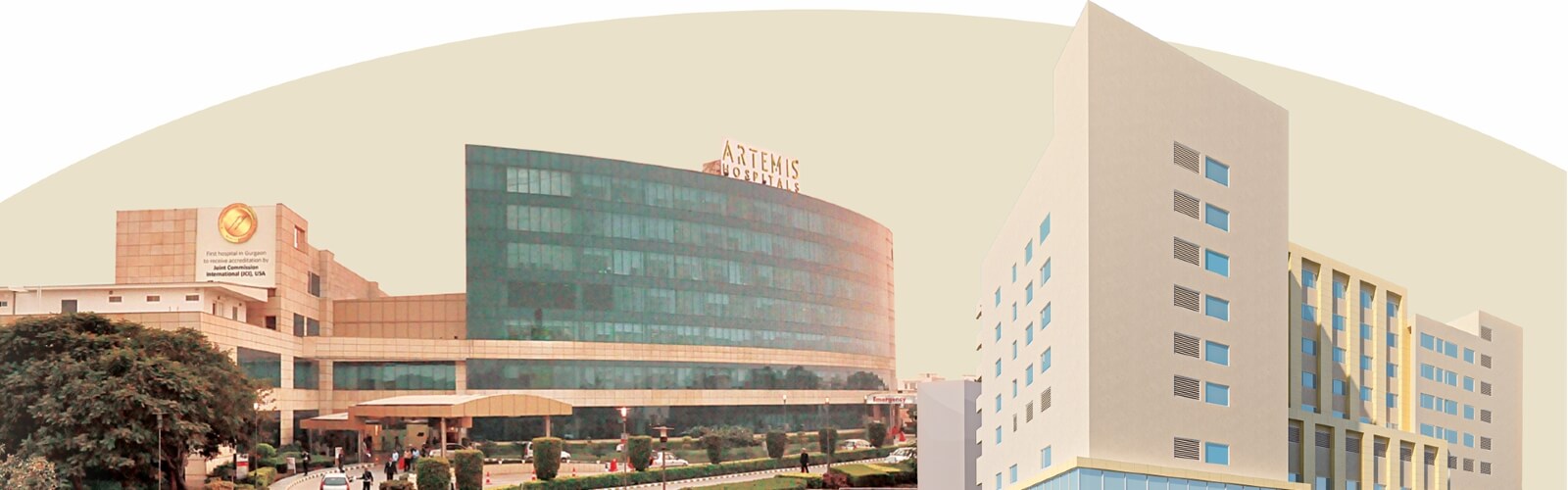
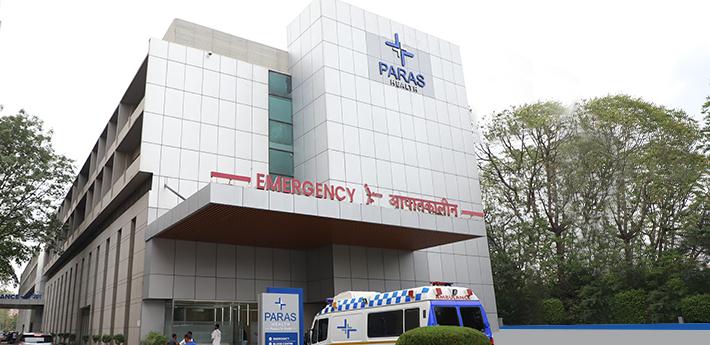
Robotic cancer surgery is offered at Medwell's partner hospitals in Delhi NCR, including BLK-Max Super Speciality Hospital, New Delhi, Artemis Hospital, Gurugram, Fortis Memorial Research Institute, Gurugram and Paras Health, Gurugram. The treating surgical oncologist decides whether robotic surgery is the right approach after reviewing your scans and biopsy.
Why travel for this procedure?
- Access to robotic surgery programmes
Partner hospitals in Delhi NCR run robotic surgery programmes for suitable cancer operations. - Accredited partner hospitals
Treatment at established Delhi NCR hospitals such as BLK-Max Super Speciality Hospital, New Delhi, Artemis Hospital, Gurugram and Paras Health, Gurugram. - Experienced specialists
Surgical, medical and radiation oncologists at the partner hospitals review each case together and plan treatment around your reports. - Shorter waiting times
Once your reports are reviewed, treatment can usually be scheduled promptly, which matters when a cancer diagnosis is new. - English-speaking teams and Medwell coordination
Care teams consult in English, and Medwell coordinates your quote, visa letter, travel and hotel stay.
Share reports and ask about a robotic approach
Send your scans, biopsy and cancer staging reports. A surgical oncologist reviews whether robotic surgery suits your case, and Medwell sends a free quote, usually within 24 hours.
Travel and surgical planning
Medwell arranges your visa letter, flights and hotel. In Delhi NCR you meet the surgeon for examination, pre-operative tests and a final treatment plan.
Robotic surgery, recovery and follow-up
After surgery you recover in hospital until the team is satisfied, then rest nearby. Medwell stays in touch for pathology results and any further treatment.
Frequently Asked Questions
What is robotic cancer surgery?
Robotic cancer surgery is minimally invasive surgery in which a surgeon removes a tumour using robotic arms controlled from a console. The robot does not act on its own; it holds thin instruments and a camera that the surgeon guides. It is used for selected cancer operations, such as some lung, colorectal, gynaecological and throat cancer procedures.
Which cancers can be treated with robotic surgery?
Robotic surgery can be used for selected cancers where the tumour can be reached through small incisions, such as some lung, colorectal, gynaecological and throat cancers. Suitability depends on the tumour's type, size and position and on your health. The treating surgical oncologist at a Medwell partner hospital decides after reviewing your reports.
What are the benefits of robotic cancer surgery?
Compared with open surgery, robotic surgery is associated with less pain during recovery, reduced blood loss, a lower risk of infection, smaller scars and a shorter hospital stay, according to Cleveland Clinic. The benefits for you depend on the operation you need, and your surgeon will explain them alongside the alternatives.
Is robotic cancer surgery safe?
Robotic cancer surgery is an established approach, but it carries the usual risks of surgery and anaesthesia. Occasionally the surgeon has to convert to an open operation with a larger incision, and rare risks include nerve compression and equipment problems. Your surgeon will discuss your individual risks before you agree to surgery.
How much does robotic cancer surgery cost in India?
The cost of robotic cancer surgery in India depends on the hospital, the type of cancer and operation and the length of your stay, so there is no single fixed price. Share your reports with Medwell and you will receive a free, no-obligation personalised quote from our partner hospitals in Delhi NCR, usually within 24 hours. Your information is kept confidential.
Which hospitals in Delhi NCR offer robotic cancer surgery?
robotic cancer surgery is offered at 5 of Medwell's accredited partner hospitals in Delhi NCR: BLK-Max Super Speciality Hospital, New Delhi, Artemis Hospital, Gurugram, Paras Health, Gurugram, Fortis Memorial Research Institute, Gurugram and Fortis Flt. Lt. Rajan Dhall Hospital, Vasant Kunj. Robotic programmes differ by hospital and cancer type, so Medwell checks which options fit your case.
How do I plan robotic cancer surgery in India with Medwell?
To plan robotic cancer surgery in India with Medwell, share your medical reports and scans for a free, no-obligation personalised quote, usually within 24 hours. Medwell helps you choose the partner hospital and specialist, books your consultation, provides a visa invitation letter and helps arrange flights, a hotel near the hospital and airport pickup. The team stays in touch during recovery and helps with any follow-up care.