
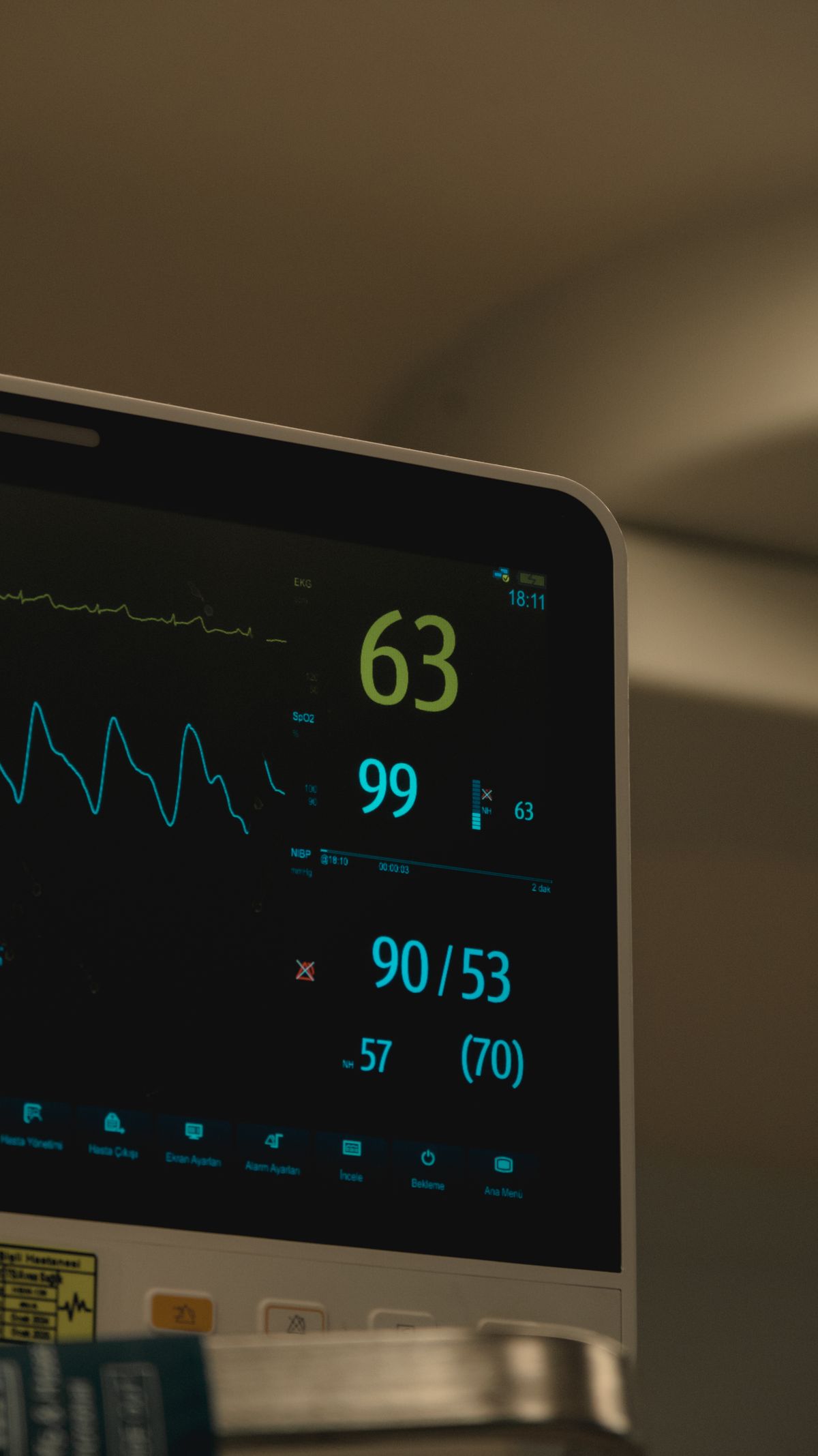
Pacemaker Implantation
Pacemaker implantation places a small device under the skin of the chest to control the heartbeat in people with heart block, slow or irregular heart rhythms, or some types of heart failure.
Request Free Quote
Free, no-obligation quote, usually within 24 hours
About this Procedure
Pacemaker implantation is a procedure to fit a small battery-powered device under the skin of the chest. The pacemaker sends electrical signals that help the heart beat at a steady rate. Most pacemakers have one or more thin wires (leads) that run through a vein to the heart; some newer leadless pacemakers are placed directly inside the heart.
A pacemaker may be recommended for heart block, heart rhythm problems (arrhythmias) such as a heartbeat that is too slow, and some types of heart failure. Before the procedure you may have blood tests, a chest X-ray or an echocardiogram.
A standard pacemaker is fitted by a cardiologist under local anaesthetic, sometimes with sedation. A small cut is made on the left side of the chest, the leads are guided through a vein to the heart, and the device is placed under the skin near the collarbone. According to the NHS, it usually takes about an hour, and you usually stay in hospital overnight. The pacemaker is checked before you go home, and you avoid heavy lifting and raising the elbow above shoulder height for 4 to 6 weeks.
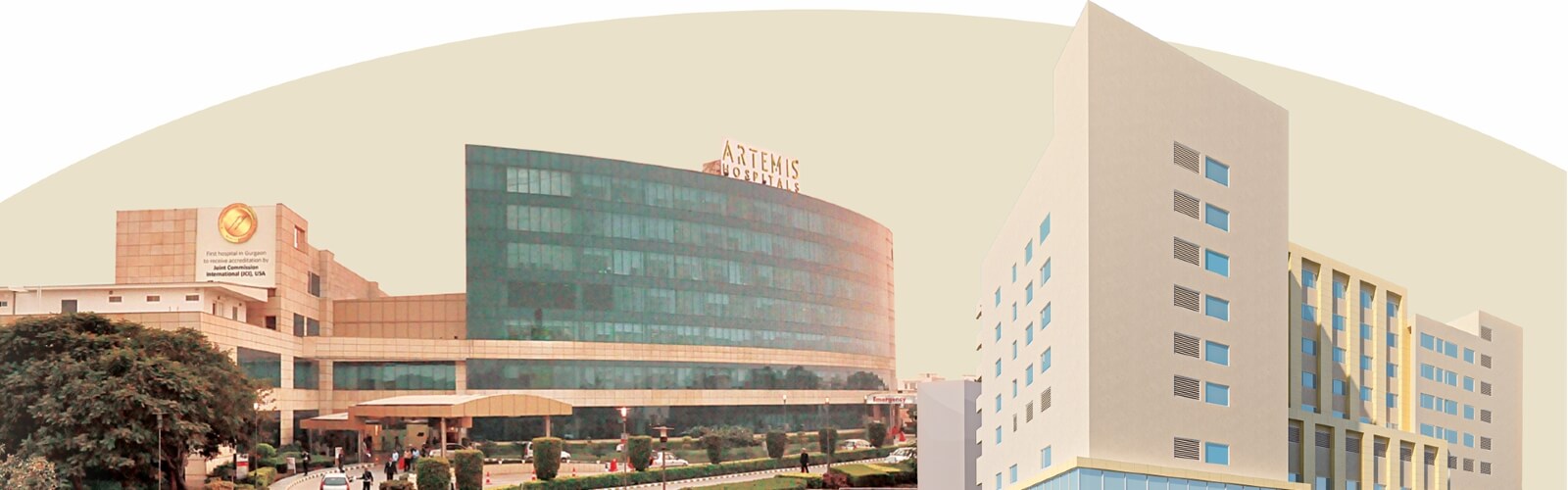
Pacemaker implantation is offered at Medwell's partner hospitals in Delhi NCR, including BLK-Max Super Speciality Hospital in New Delhi, Fortis Memorial Research Institute and Artemis Hospital in Gurugram, and Fortis Flt. Lt. Rajan Dhall Hospital, Vasant Kunj. Medwell helps you plan the procedure and share device details with your cardiologist at home for ongoing checks.
Why travel for this procedure?
- Accredited partner hospitals
Cardiology departments at hospitals such as BLK-Max Super Speciality Hospital, Fortis Memorial Research Institute and Artemis Hospital. - Experienced electrophysiology teams
Cardiologists who assess your rhythm problem and recommend the pacemaker type that suits you. - Short hospital stay
A standard pacemaker usually needs only an overnight stay, so the trip can be planned efficiently. - English-speaking teams
Doctors, nurses and international patient desks communicate in English, and Medwell can arrange an interpreter for other languages. - Medwell coordination
Free personalised quote, visa invitation letter help, hotel near the hospital, airport pickup coordination and support after you go home.

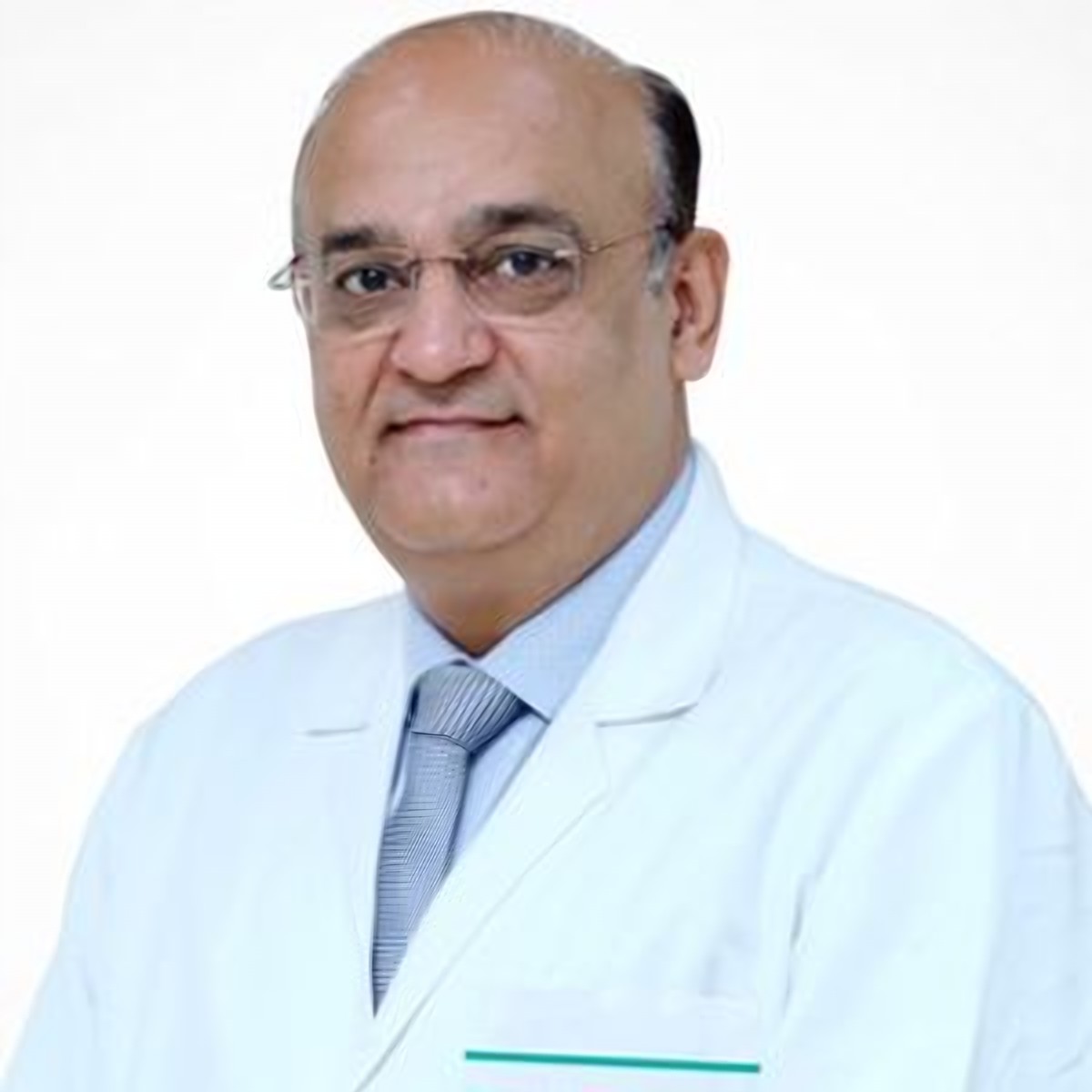


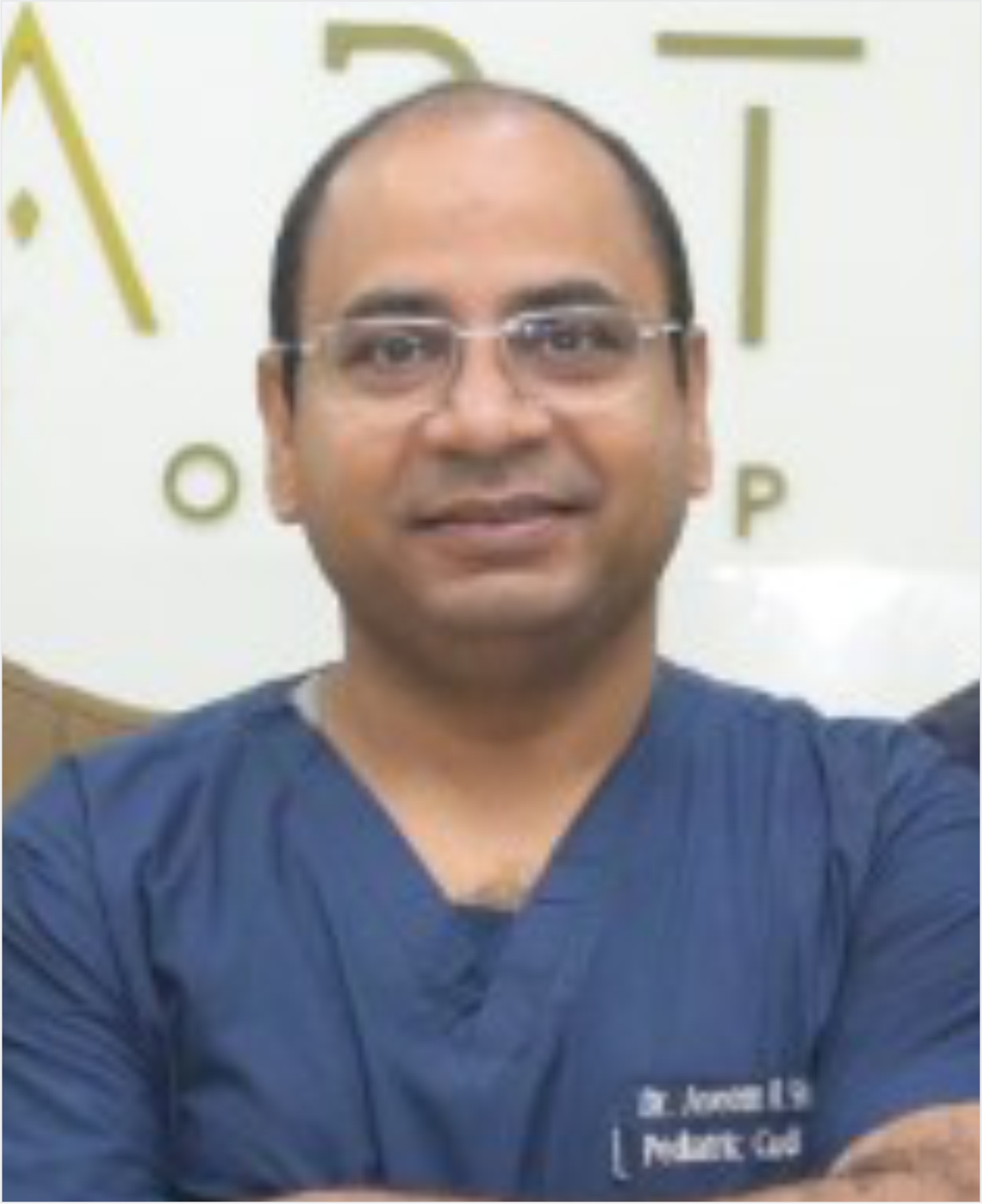


Dr. Amit Kumar Chaurasia
Share your heart rhythm reports
Send your ECG, Holter monitor and cardiology reports to Medwell. A partner hospital cardiologist reviews them and we share a personalised quote for pacemaker implantation.
Travel and pre-procedure checks
Medwell helps with your visa letter, flights and hotel. In Delhi NCR the cardiologist confirms the pacemaker type and completes blood tests, a chest X-ray or echocardiogram as needed.
Implantation, device check and follow-up
The pacemaker is fitted under local anaesthetic and checked before discharge. You receive a pacemaker ID card, and Medwell helps you share device details with your cardiologist at home.
Frequently Asked Questions
What is pacemaker implantation?
Pacemaker implantation is a procedure to place a small device under the skin of the chest that sends electrical signals to keep the heartbeat steady. Wires from the pacemaker are guided through a vein to the heart. Some people with a slow heartbeat may be offered a leadless pacemaker, which is placed directly in the heart without chest wires.
Who needs a pacemaker?
A pacemaker may be needed by people with heart block, heart rhythm problems such as a heartbeat that is too slow, or some types of heart failure. Before the procedure you may have blood tests, a chest X-ray or an echocardiogram. A cardiologist at a Medwell partner hospital confirms whether a pacemaker is right for you after reviewing your ECG and other reports.
How long does pacemaker implantation take and how long is the stay?
Pacemaker implantation usually takes about an hour, according to the NHS, and most people stay in hospital overnight. With a leadless pacemaker you can often go home the same day. You should avoid heavy lifting, vigorous exercise and lifting your elbow above shoulder height for 4 to 6 weeks, and full recovery can take a few weeks or months.
How much does pacemaker implantation cost in India?
The cost of pacemaker implantation in India depends on the hospital, the specialist team, the type of pacemaker (single-chamber, dual-chamber or leadless) and your overall health, so there is no single fixed price. Share your medical reports with Medwell and we will send a free, no-obligation personalised quote from our partner hospitals in Delhi NCR, usually within 24 hours.
Is pacemaker implantation safe?
Having a pacemaker fitted is a common procedure, and the NHS says it is unlikely that anything will go seriously wrong. Infection of the wound is sometimes possible afterwards. Your cardiologist explains the specific risks before the procedure and checks that the pacemaker is working properly before you leave hospital.
Which hospitals in Delhi NCR offer Pacemaker implantation?
Pacemaker implantation is offered at 6 of Medwell's partner hospitals in Delhi NCR (New Delhi, Gurugram and Noida). Medwell helps you pick a hospital and cardiologist based on your reports and travel plans.
- BLK-Max Super Speciality Hospital, New Delhi
- Artemis Hospital, Gurugram
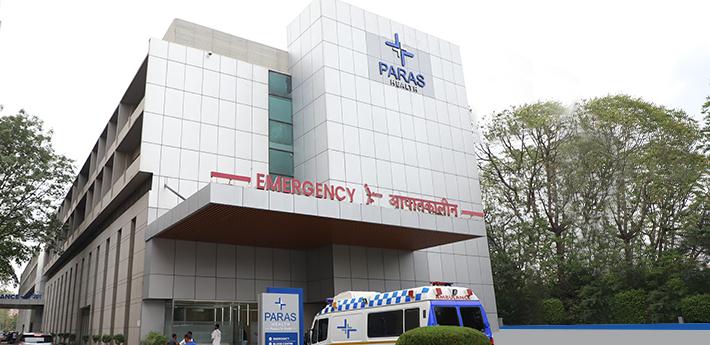
- Paras Health, Gurugram
- Fortis Memorial Research Institute (FMRI), Gurugram
- Fortis Flt. Lt. Rajan Dhall Hospital, Vasant Kunj, New Delhi
- Fortis Hospital, Noida
How do I plan pacemaker implantation in India with Medwell?
To plan pacemaker implantation in India, send your reports to Medwell for a free, confidential review and a personalised quote, usually within 24 hours. We book your cardiology appointment, help with your visa invitation letter, flights, hotel and airport pickup, and stay in touch after you return home. Keep your pacemaker ID card with you when flying.