
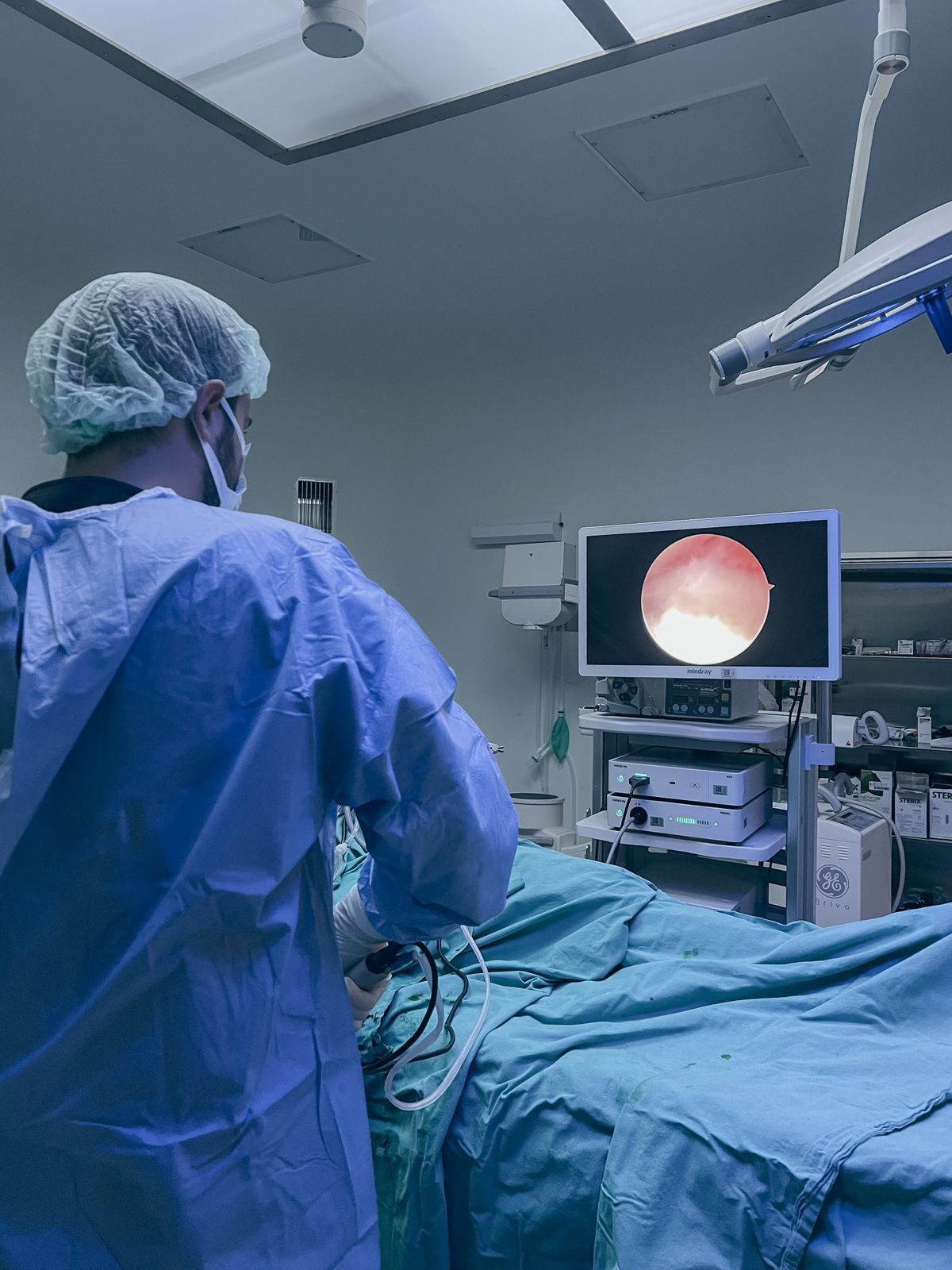
RIRS (Retrograde Intrarenal Surgery)
RIRS (retrograde intrarenal surgery) removes kidney stones using a thin flexible scope passed through the urinary tract and a laser, with no cuts in the skin.
Request Free Quote
Free, no-obligation quote, usually within 24 hours
About this Procedure
RIRS (retrograde intrarenal surgery) is a minimally invasive way of treating kidney stones from the inside, without any cuts in the skin. A thin, flexible telescope (ureteroscope) is passed through the urethra and bladder, up the ureter and into the kidney. A laser is then used to break the stone into tiny pieces, or the stone is removed with a small instrument.
It may be recommended for kidney stones that are too big to pass on their own or that cause pain, infection or blockage. Your urologist chooses between RIRS, shock wave lithotripsy and PCNL based on the size, number and location of your stones and your kidney anatomy.
RIRS is done under general anaesthetic, so you are asleep. According to Cleveland Clinic, laser lithotripsy usually takes one to two hours, is usually an outpatient procedure, and most people return to their usual activities around a week afterwards. A small tube (stent) may be left in the ureter for a short time to help urine drain while it heals; your urologist will explain whether you need one and when it will be removed.
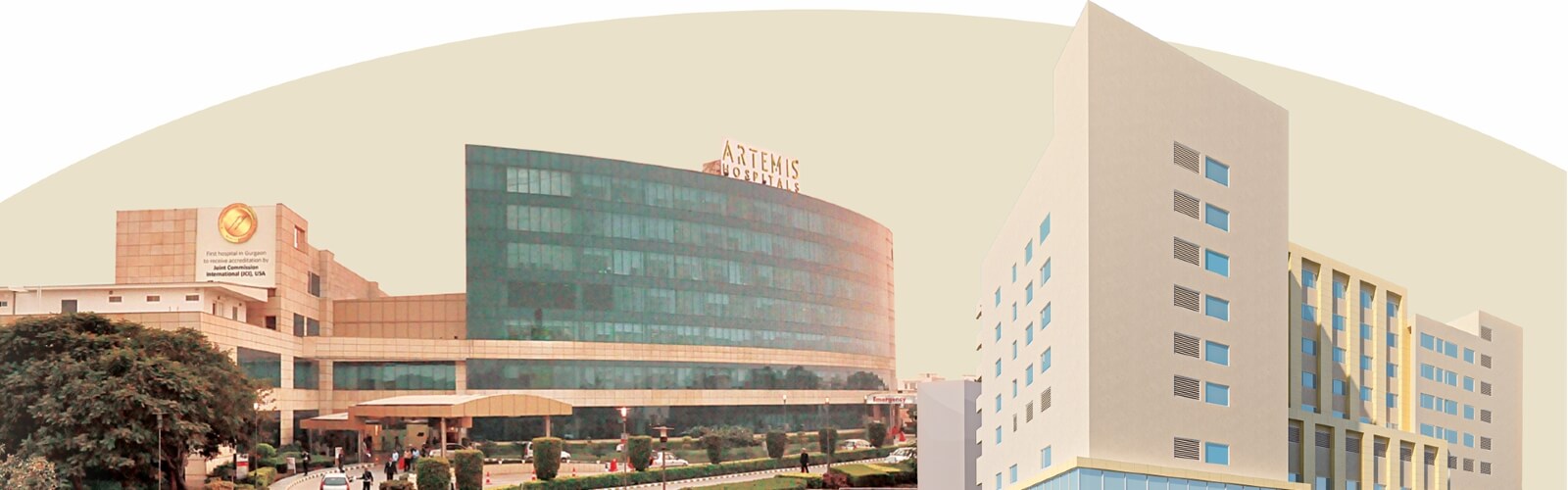
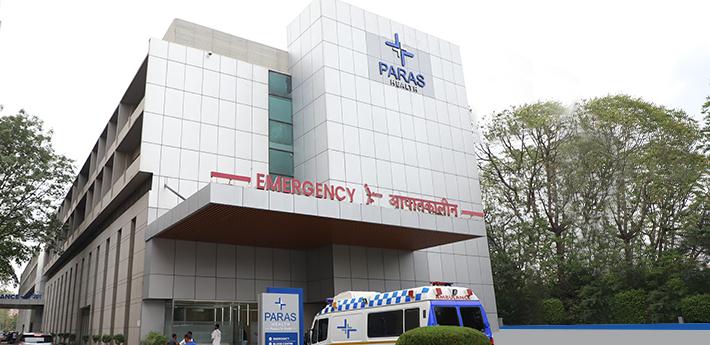
RIRS is offered at Medwell's partner hospitals in Delhi NCR, including BLK-Max Super Speciality Hospital in New Delhi, Artemis Hospital and Paras Health in Gurugram, and Fortis Flt. Lt. Rajan Dhall Hospital, Vasant Kunj. Medwell helps you share your CT scan so the urologist can confirm RIRS is right for your stone before you travel.
Why travel for this procedure?
- Accredited partner hospitals
Urology departments at BLK-Max Super Speciality Hospital, Artemis Hospital, Paras Health and Fortis hospitals. - Experienced endourologists
Urologists who compare RIRS with ESWL and PCNL and recommend the option that suits your stone. - No skin incision
The stone is reached through the natural urinary passage, so recovery is usually quick and the trip short. - English-speaking teams
Doctors, nurses and international patient desks communicate in English, and Medwell can arrange an interpreter for other languages. - Medwell coordination
Free personalised quote, visa invitation letter help, hotel near the hospital, airport pickup coordination and support after you go home.






Dr. Yajvender Pratap Singh Rana

Share your CT scan and get a free quote
Send your CT scan and urology reports to Medwell. A partner hospital urologist reviews whether RIRS suits your stone and we share a personalised quote.
Travel and pre-procedure checks
Medwell helps with your visa letter, flights and hotel. In Delhi NCR the urologist confirms the plan and completes urine and blood tests.
RIRS, recovery and stent follow-up
The stone is lasered under general anaesthetic and most people go home soon after. If a stent is placed, Medwell helps you plan its removal before or after you fly home.
Frequently Asked Questions
What is RIRS (retrograde intrarenal surgery)?
RIRS is a kidney stone procedure that uses a thin, flexible scope passed through the urethra, bladder and ureter into the kidney, with no cuts in the skin. A laser breaks the stone into tiny pieces, or the stone is removed with a small instrument. It is a type of flexible ureteroscopy with laser lithotripsy.
Who needs RIRS for kidney stones?
RIRS may be recommended for kidney stones that are too large to pass naturally or that cause pain, infection or blockage. Your urologist chooses between RIRS, shock wave lithotripsy and PCNL based on the stone's size, number and location. A urologist at a Medwell partner hospital confirms the best option after reviewing your CT scan.
How long does RIRS take and how long is the recovery?
Laser treatment of kidney stones through a scope usually takes one to two hours, according to Cleveland Clinic, and is usually done as an outpatient procedure. Most people return to their usual activities around a week afterwards. If a stent is placed in the ureter, it is removed later in a short procedure.
How much does RIRS cost in India?
The cost of RIRS in India depends on the hospital, the specialist team, the size and number of stones, whether a stent is needed and your overall health, so there is no single fixed price. Share your medical reports with Medwell and we will send a free, no-obligation personalised quote from our partner hospitals in Delhi NCR, usually within 24 hours.
Is RIRS safe?
RIRS avoids skin incisions, but like any stone surgery it carries risks. The NHS lists possible complications after kidney stone treatment including urinary infection, sepsis, bleeding, pain, injury to the ureter and fragments blocking the ureter. Your urologist explains the risks for your case and what to watch for afterwards.
Which hospitals in Delhi NCR offer RIRS?
RIRS is offered at 6 of Medwell's partner hospitals in Delhi NCR (New Delhi, Gurugram and Noida). Medwell helps you choose a hospital and urologist and books the procedure around your travel dates.
- BLK-Max Super Speciality Hospital, New Delhi
- Artemis Hospital, Gurugram
- Paras Health, Gurugram
- Fortis Memorial Research Institute (FMRI), Gurugram
- Fortis Flt. Lt. Rajan Dhall Hospital, Vasant Kunj, New Delhi
- Fortis Hospital, Noida
How do I plan RIRS in India with Medwell?
To plan RIRS in India, send your CT scan and reports to Medwell for a free, confidential review and personalised quote, usually within 24 hours. We book the urology appointment and help with your visa invitation letter, flights, hotel near the hospital and airport pickup, and help you plan stent removal if one is placed.