
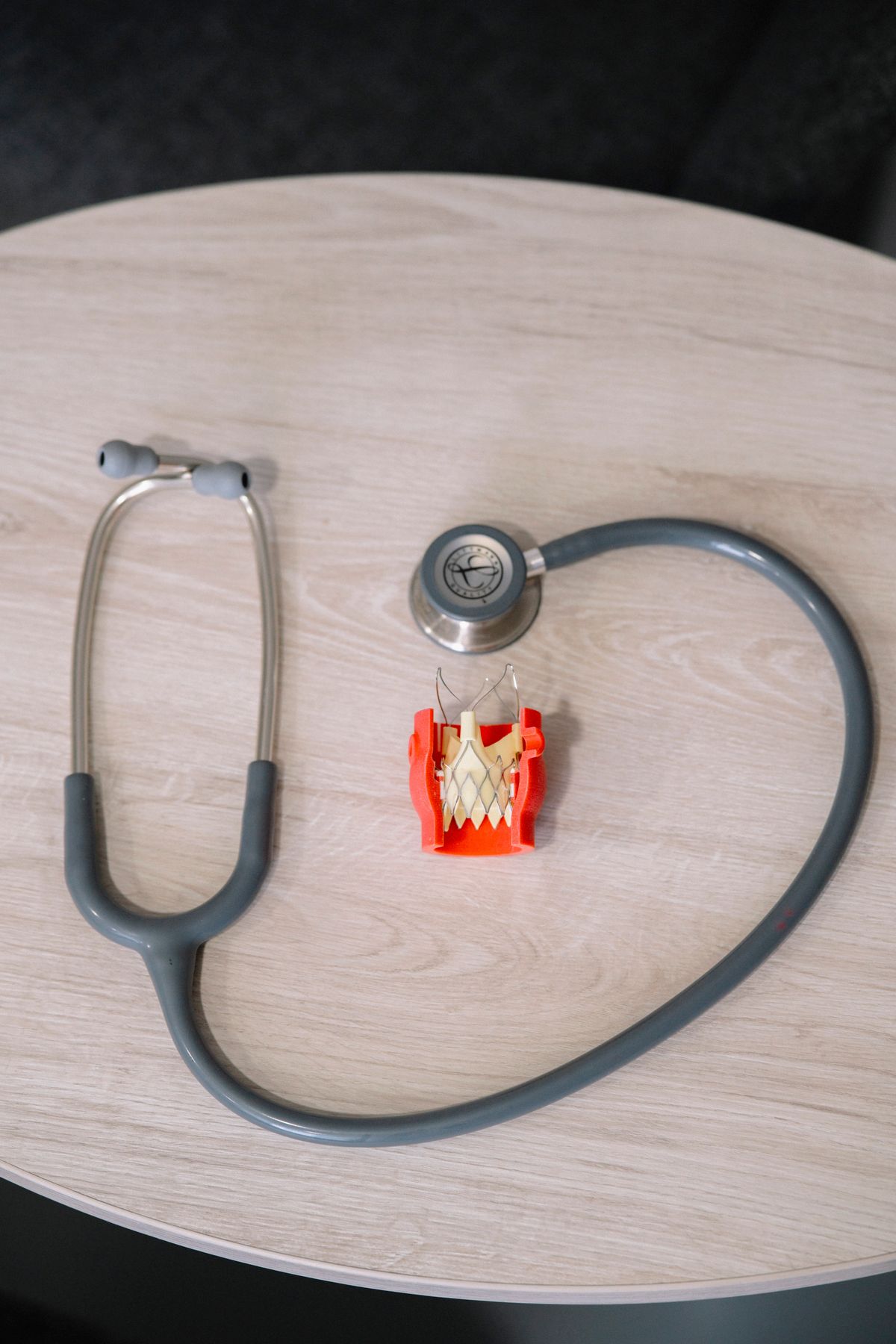
TAVI (Transcatheter Aortic Valve Implantation)
TAVI replaces a narrowed aortic valve (aortic stenosis) using a catheter passed through a blood vessel, often for people for whom open-heart surgery is unsuitable or too high risk.
Request Free Quote
Free, no-obligation quote, usually within 24 hours
About this Procedure
TAVI (transcatheter aortic valve implantation), also called TAVR, is a way of replacing the aortic valve without open-heart surgery. A new valve is delivered on a thin tube (catheter) through a blood vessel and fixed in place inside the old, damaged valve. The heart does not need to be stopped and the old valve is not removed.
TAVI treats aortic stenosis, a narrowing of the aortic valve that can cause symptoms such as chest pain and shortness of breath. According to the NHS, it may be recommended when other types of valve surgery are not suitable or could be too high risk, for example because of age or other health problems. The heart team decides who is suitable after reviewing an echocardiogram, CT scan and other tests.
You are usually awake, with a sedative to help you relax and a local anaesthetic. The catheter is passed through a blood vessel in the upper leg, arm or chest to reach the heart, and a biological (tissue) replacement valve is positioned. The NHS states that TAVI usually takes 1 to 2 hours and that people usually spend 2 to 3 days in hospital, with a quicker recovery than open-heart valve surgery.
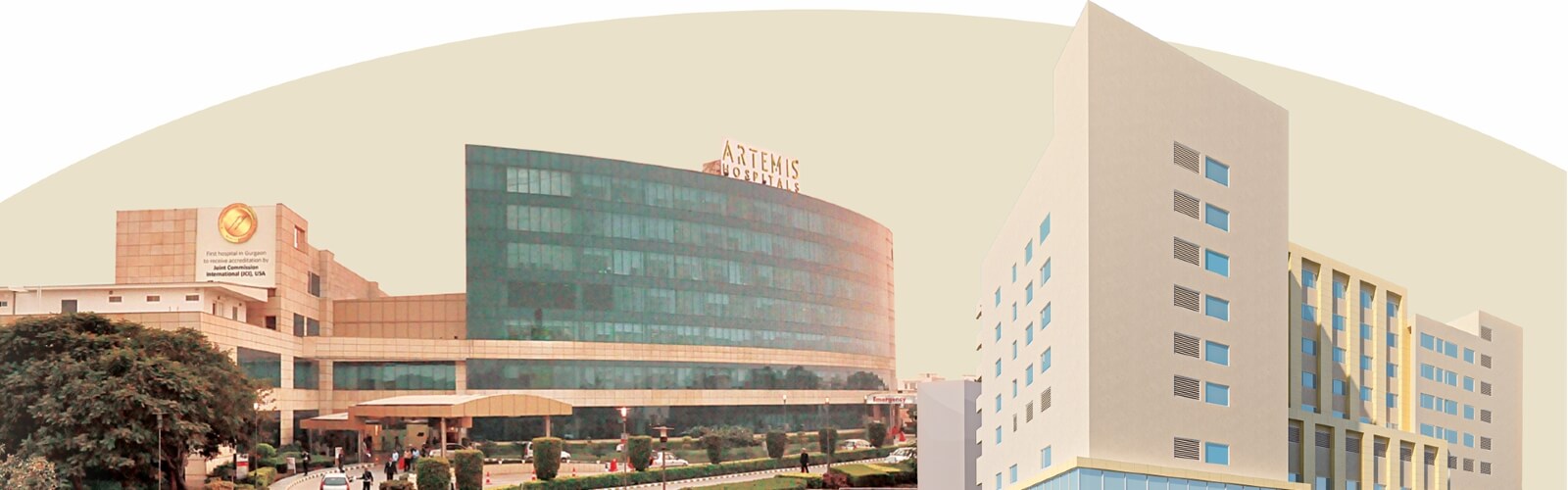
TAVI is offered at Medwell's partner hospitals in Delhi NCR, including BLK-Max Super Speciality Hospital in New Delhi, Fortis Memorial Research Institute and Artemis Hospital in Gurugram, and Fortis Hospital, Noida. Medwell helps you share scans for a heart team review and plan the trip with a companion.
Why travel for this procedure?
- Accredited partner hospitals
Structural heart programmes at hospitals such as BLK-Max Super Speciality Hospital, Fortis Memorial Research Institute and Artemis Hospital. - Heart team assessment
Cardiologists and cardiac surgeons review your scans together to decide between TAVI and surgical valve replacement. - Shorter hospital stay than open surgery
TAVI usually involves 2 to 3 days in hospital, which suits older patients travelling with family. - English-speaking teams
Doctors, nurses and international patient desks communicate in English, and Medwell can arrange an interpreter for other languages. - Medwell coordination
Free personalised quote, visa invitation letter help, hotel near the hospital, airport pickup coordination and support after you go home.






Share scans for a heart team review
Send your echocardiogram, CT scan and cardiology notes to Medwell. A partner hospital heart team assesses whether TAVI may suit you and we share a personalised quote.
Travel and TAVI work-up
Medwell helps with visas for you and a companion, flights and hotel. In Delhi NCR the team completes planning scans and blood tests and confirms the valve and access route.
TAVI, recovery and follow-up
The valve is implanted through a catheter and you are monitored for a few days before discharge. Medwell stays in touch so follow-up echocardiograms can be shared with your team.
Frequently Asked Questions
What is TAVI (transcatheter aortic valve implantation)?
TAVI is a procedure that replaces a narrowed aortic valve using a catheter instead of open-heart surgery. A new tissue valve is passed through a blood vessel, usually in the upper leg, and fixed inside the damaged valve. The heart keeps beating during the procedure and the old valve is not removed.
Who is suitable for TAVI?
TAVI is used to treat aortic stenosis, a narrowed aortic valve. According to the NHS, it may be recommended when other types of valve surgery are not suitable or could be too high risk, for example because of age or other health conditions. A heart team at a Medwell partner hospital decides whether TAVI is right for you after reviewing your echocardiogram and CT scan.
How long is the hospital stay after TAVI?
The hospital stay after TAVI is usually 2 to 3 days, according to the NHS, compared with about a week after open-heart valve replacement. The procedure itself usually takes 1 to 2 hours. Recovery is generally quicker than after surgery through the chest, but international patients should allow extra days in Delhi NCR for check-ups before flying home.
How much does TAVI cost in India?
The cost of TAVI in India depends on the hospital, the specialist team, the valve used and your overall health, so there is no single fixed price. Share your medical reports with Medwell and we will send a free, no-obligation personalised quote from our partner hospitals in Delhi NCR, usually within 24 hours.
Is TAVI safe?
TAVI avoids opening the chest and stopping the heart, but it is still a heart procedure with risks, such as bleeding, stroke or heart rhythm problems, that your heart team will explain. Whether TAVI is the safer option for you depends on your age, valve anatomy and general health. The specialists confirm suitability after reviewing your scans.
Which hospitals in Delhi NCR offer TAVI?
TAVI is offered at 6 of Medwell's partner hospitals in Delhi NCR (New Delhi, Gurugram and Noida). Medwell helps you choose a hospital and heart team based on your scans and travel needs.
- BLK-Max Super Speciality Hospital, New Delhi
- Artemis Hospital, Gurugram
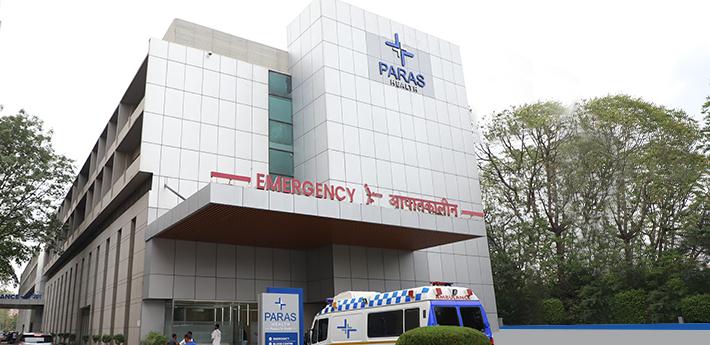
- Paras Health, Gurugram
- Fortis Memorial Research Institute (FMRI), Gurugram
- Fortis Flt. Lt. Rajan Dhall Hospital, Vasant Kunj, New Delhi
- Fortis Hospital, Noida
How do I plan TAVI in India with Medwell?
To plan TAVI in India, send your echocardiogram, CT scan and cardiology reports to Medwell. We arrange a confidential heart team review and a free personalised quote, usually within 24 hours, then help with the hospital appointment, visa invitation letters for you and a companion, flights, hotel near the hospital and airport pickup.