Radiation Therapy (IMRT / IGRT)
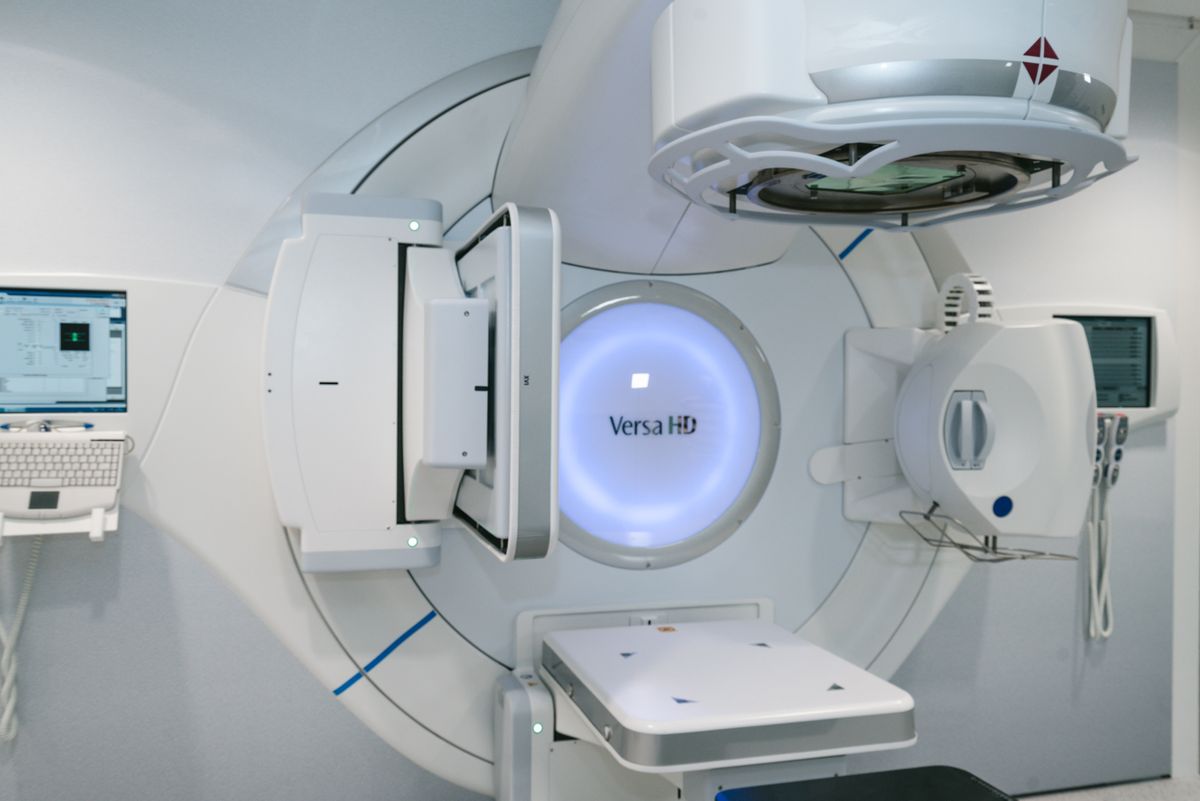
Precise external-beam radiotherapy that shapes (IMRT) and image-guides (IGRT) radiation to the tumour while sparing nearby healthy tissue.
Request Free Quote
Free, no-obligation quote, usually within 24 hours
About this Procedure
Radiotherapy uses radiation to kill cancer cells. Intensity-modulated radiotherapy (IMRT) is an advanced form of external-beam radiotherapy in which a linear accelerator delivers precise radiation to a tumour while reducing the dose to surrounding normal tissue. Image-guided radiotherapy (IGRT) adds imaging before or during each session so the team can check the tumour's position and adjust the treatment accurately.
IMRT is often used where tumours sit close to sensitive structures, for example in head and neck cancers and prostate cancer. IGRT is particularly helpful for tumours that move, such as in the lungs, liver and pancreas, and for tumours near critical organs. The two are frequently combined. Radiotherapy may be the main treatment or be used with surgery, chemotherapy or immunotherapy.
Treatment starts with a planning (simulation) scan so the team can map the exact target. Each session is painless and you lie still on the treatment table; most patients spend no more than 10 to 15 minutes on the table daily, including set-up and imaging. A typical IMRT course is given five days a week for five to eight weeks, and you can usually go home soon after each session. Common short-term side effects include tiredness and skin changes in the treated area.
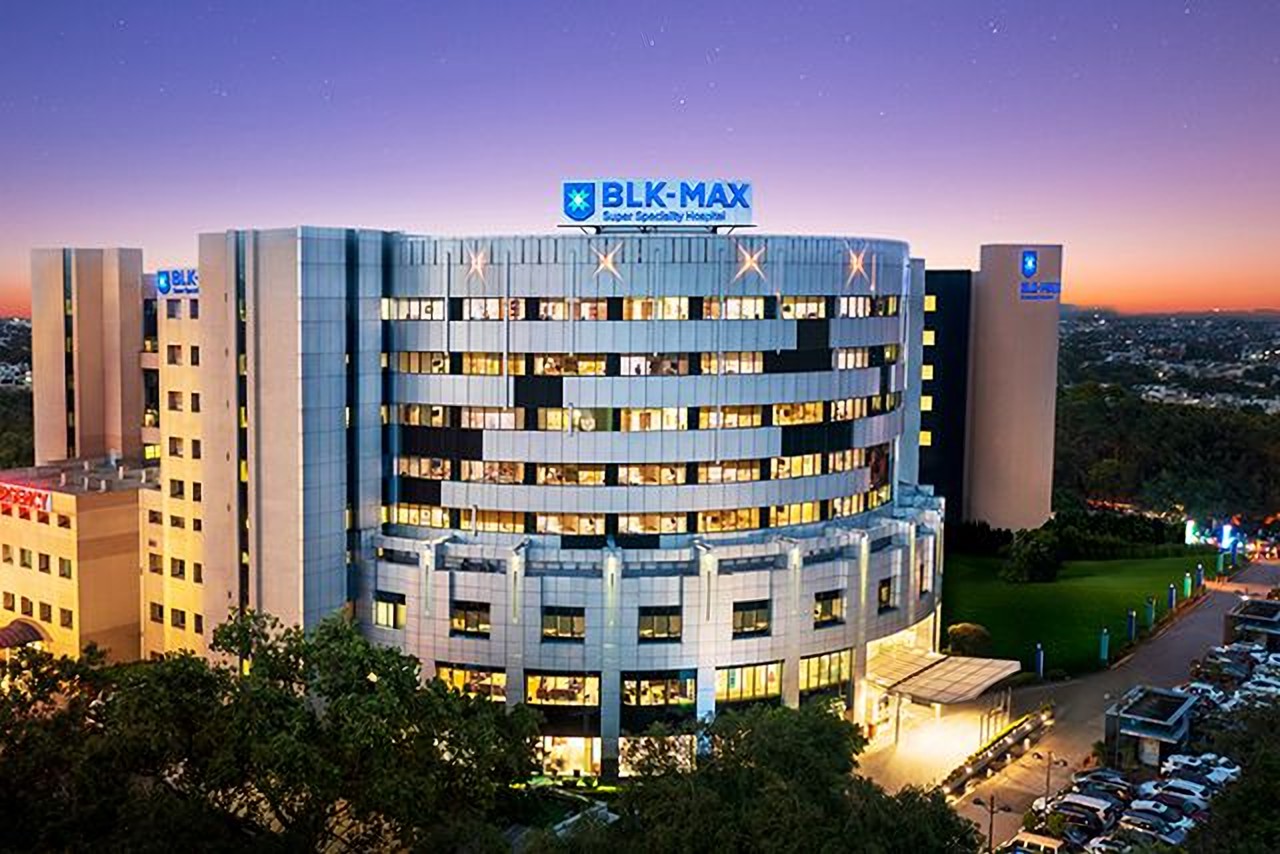
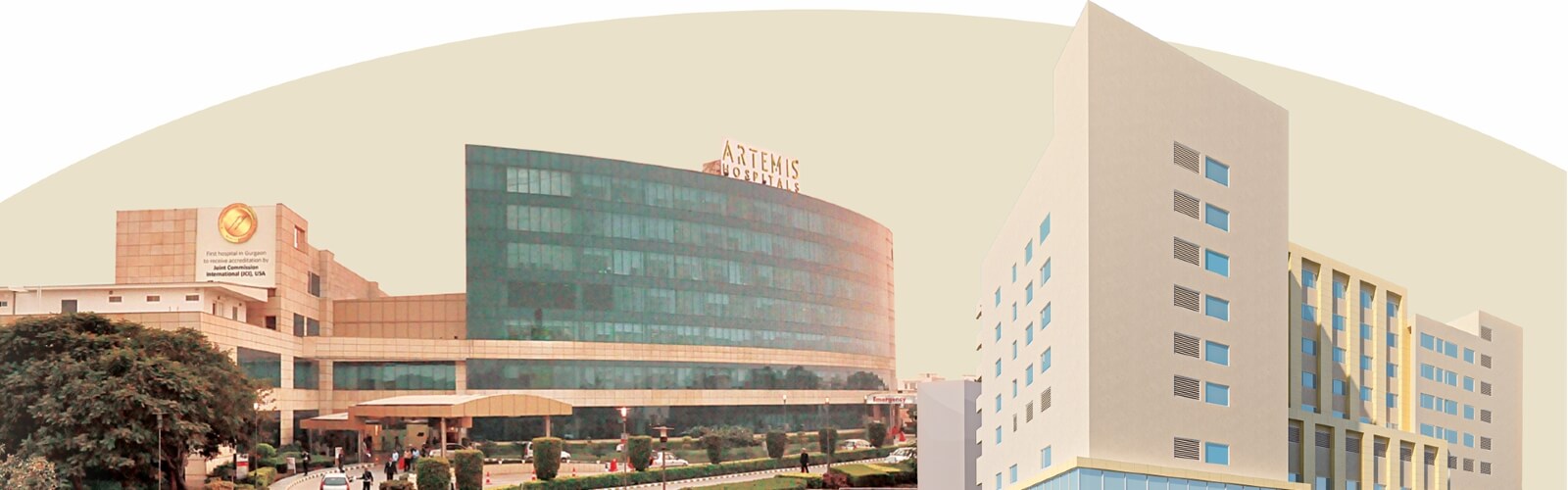
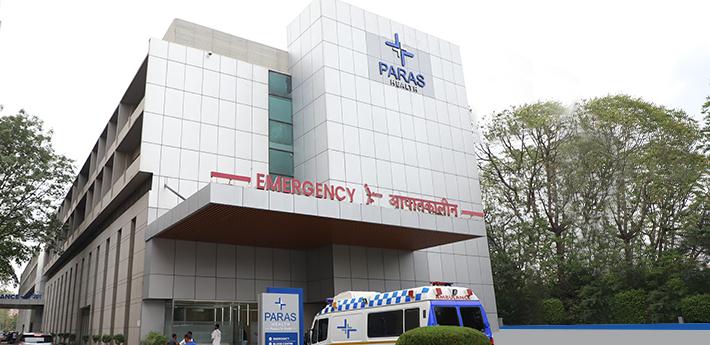
IMRT and IGRT are offered at Medwell's partner hospitals in Delhi NCR, including BLK-Max Super Speciality Hospital, New Delhi, Artemis Hospital, Gurugram, Fortis Memorial Research Institute, Gurugram and Paras Health, Gurugram. The treating radiation oncologist designs your plan after reviewing your scans and pathology.
Why travel for this procedure?
- Modern radiotherapy technology
Partner hospitals offer image-guided, intensity-modulated radiotherapy planned by radiation oncologists. - Accredited partner hospitals
Treatment at established Delhi NCR hospitals such as BLK-Max Super Speciality Hospital, New Delhi, Artemis Hospital, Gurugram and Paras Health, Gurugram. - Experienced specialists
Radiation oncologists work with surgeons and medical oncologists to plan radiotherapy alongside other treatment. - Shorter waiting times
Once your reports are reviewed, planning scans and treatment can usually be scheduled promptly. - English-speaking teams and Medwell coordination
Care teams consult in English, and Medwell helps with a hotel near the hospital for daily sessions.




Share reports and get a free quote
Send your pathology, scans and any previous radiotherapy records. A radiation oncologist reviews them and Medwell sends a personalised quote, usually within 24 hours.
Travel, planning scan and simulation
Medwell arranges your visa letter, flights and a hotel near the hospital. The team performs a planning scan and designs your IMRT/IGRT plan before treatment starts.
Daily sessions and follow-up
You attend short sessions on weekdays for the length of your course while the team monitors side effects. Medwell stays in touch for follow-up after you return home.
Frequently Asked Questions
What is IMRT and IGRT radiation therapy?
IMRT (intensity-modulated radiotherapy) is precise external-beam radiotherapy that shapes the radiation dose to a tumour while limiting the dose to healthy tissue. IGRT (image-guided radiotherapy) uses imaging before or during each session to check the tumour's position and adjust treatment. The two are often combined at Medwell's partner hospitals in Delhi NCR.
Who needs IMRT or IGRT?
IMRT and IGRT are used for many cancers, especially tumours close to sensitive organs, such as head and neck and prostate cancers, and tumours that move, such as in the lungs, liver and pancreas. Radiotherapy may be the main treatment or be combined with surgery or chemotherapy. The radiation oncologist confirms your plan after reviewing your reports.
How long does a course of IMRT take?
A typical IMRT course is given five days a week for five to eight weeks, according to RadiologyInfo.org. Most patients spend no more than 10 to 15 minutes on the treatment table each day, including set-up and imaging. International patients usually stay near the hospital in Delhi NCR for the whole course.
Do I need to stay in hospital for radiotherapy?
Most people do not need to stay in hospital for external-beam radiotherapy such as IMRT or IGRT, and can usually go home soon after each session, according to the NHS. International patients stay in a hotel or apartment near the hospital, which Medwell helps arrange, and attend treatment on weekdays.
What are the side effects of IMRT?
Common short-term side effects of IMRT are tiredness and skin changes in the treated area; others depend on the area treated, such as a sore mouth for head and neck radiotherapy or diarrhoea for pelvic treatment. Many side effects can be treated and most improve after treatment ends. Late effects are rare, and your radiation oncologist will explain your risks.
How much does radiation therapy (IMRT / IGRT) cost in India?
The cost of radiation therapy (IMRT / IGRT) in India depends on the hospital, the number of sessions, the area treated and the length of your stay, so there is no single fixed price. Share your reports with Medwell and you will receive a free, no-obligation personalised quote from our partner hospitals in Delhi NCR, usually within 24 hours. Your information is kept confidential.
Which hospitals in Delhi NCR offer IMRT and IGRT radiation therapy?
IMRT and IGRT radiation therapy is offered at 5 of Medwell's accredited partner hospitals in Delhi NCR: BLK-Max Super Speciality Hospital, New Delhi, Artemis Hospital, Gurugram, Paras Health, Gurugram, Fortis Memorial Research Institute, Gurugram and Fortis Flt. Lt. Rajan Dhall Hospital, Vasant Kunj. Medwell helps you choose a hospital and a hotel close to it for daily sessions.